Ronan & Erwan Bouroullec: Pioneers of Minimalist Elegance
The Bouroullec brothers, Ronan (born 1971) and Erwan (born 1976), represent a singular force in contemporary design—a duo whose collaborative spirit has yielded an astonishingly prolific output across furniture, tableware, textiles, and even urban landscapes. Their aesthetic is characterized by uncompromising simplicity, geometric precision, and a profound respect for materials, establishing them as pivotal figures in the resurgence of minimalist elegance that captivated audiences worldwide throughout the late 1990s and continues to inspire designers today.
### Early Life & Artistic Formation
Born in Quimper, Brittany, France, Ronan and Erwan Bouroullec’s creative partnership began during their studies at École Nationale Supérieure des Arts Décoratifs (ENSAD) and École Nationale Supérieure d'Arts de Paris-Cergy—institutions renowned for fostering experimental design approaches. This formative period instilled within them a core belief: that beauty resides in restraint, where form follows function with unwavering dedication. Their shared passion propelled them to explore diverse artistic mediums beyond furniture, delving into ceramics and sculptural installations, demonstrating an early inclination towards multifaceted creative expression. Ronan’s initial fascination with design emerged at the age of fifteen, marking the genesis of his artistic journey—a path shaped by a steadfast devotion to exploring innovative concepts and mastering artisanal techniques.
### The Bouroullec Aesthetic & Influences
The brothers’ design philosophy is rooted in a fascination with industrial processes and material exploration—a deliberate rejection of ornamentation in favor of clean lines and tactile surfaces. They draw inspiration from Bauhaus principles, prioritizing geometric abstraction and functional materiality, alongside influences from Japanese minimalism and Scandinavian design traditions. This confluence of stylistic elements manifests itself in their creations as an unwavering commitment to craftsmanship and meticulous attention to detail. Their work consistently seeks to elevate everyday objects into statements of understated sophistication—a philosophy that reflects a deep appreciation for the harmonious interplay between form and function. Dieter Rams’ ethos of “Less is More” profoundly impacted their creative vision, guiding them toward designs characterized by purposeful simplicity and enduring beauty.
### Notable Achievements & Collaborations
Their collaborative endeavors have garnered international acclaim, resulting in iconic collections recognized across prominent design institutions worldwide. The 1998 Grand Prix du Jury International at Maison et Objet cemented their reputation as trailblazers—establishing them as champions of a new aesthetic paradigm. They cultivated enduring partnerships with leading brands—Cappellini, Ligne Roset, Habitat, Domeau & Peres, Authentics, EANDW, Magis, Vitra, Hay—resulting in collections that redefine standards for comfort and design excellence. Furthermore, their involvement in urban projects underscores their ambition to shape environments as thoughtfully as they craft objects. Their collaboration with Galerie Kreo exemplifies their dedication to pushing creative boundaries and exploring unconventional materials.
### Legacy & Continuing Relevance
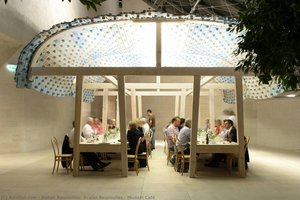
Today, Ronan & Erwan Bouroullec’s designs continue to resonate globally—displayed prominently in museums like Mudam Café (Zurich), showcasing the enduring power of their minimalist aesthetic. They remain at the forefront of contemporary design discourse, consistently challenging conventions and advocating for a harmonious blend of form and function. Their unwavering commitment to simplicity, combined with an astute understanding of material science and manufacturing techniques, ensures that their legacy will endure as a cornerstone of modern design history—a testament to the transformative potential of collaborative creativity.