Pier Francesco Cittadini : Un maître bolonais de la nature morte baroque
Pier Francesco Cittadini (1616 – 1681) s'impose comme une figure de proue du paysage artistique baroque italien, principalement reconnu pour ses dépeintes exquises de natures mortes et de portraits qui incarnent la fascination de l'époque pour l'observation méticuleuse et l'ornementation opulente. Né à Milan, Cittadini a passé ses années de formation à perfectionner son art sous la tutelle de Daniele Crespi, établissant un lien fondamental avec les traditions artistiques milanaises avant de s'installer à Bologne dès son plus jeune âge – une décision charnière qui scella son association avec Guido Reni et façonna profondément sa trajectoire stylistique.
- Influences précoces : La formation initiale de Cittadini auprès de Crespi lui a inculqué un goût pour le réalisme et le détail, reflétant les sensibilités esthétiques dominantes de l'époque. Cependant, c'est son immersion dans l'atelier de Reni qui a véritablement enflammé sa vision artistique, comme en témoignent ses toiles monumentales telles que « La Lapidation de saint Étienne » et « La Flagellation », exécutées en 1641 – des œuvres imprégnées de la grandeur solennelle caractéristique de Reni et d'une maîtrise magistrale du clair-obscur.
- Engagement romain : Reconnaissant le dynamisme du milieu artistique romain, Cittadini entreprit un voyage transformateur vers la Ville Éternelle vers 1645. Cette rencontre avec ses pairs — incluant des maîtres français et flamands — l'exposa à des techniques innovantes et élargit ses horizons artistiques. Les peintures qui en résultèrent, telles que « Loth et ses filles » et « Agar et l'Ange », démontrent une indépendance stylistique naissante, caractérisée par des palettes de couleurs vibrantes et des compositions dynamiques.
- Technique et style : Le style distinctif de Cittadini se définit par un engagement indéfectible envers le naturalisme — marque de fabrique de l'art baroque — combiné à une maîtrise souveraine de la perspective et du détail textural. Il rendait les surfaces avec une précision remarquable, capturant les nuances subtiles de la lumière et de l'ombre pour créer des scènes immersives qui convoquent à la fois splendeur visuelle et profondeur psychologique.
- Commandes notables et mécénat : La réputation artistique de Cittadini suscita un immense écho à Bologne, lui assurant de prestigieuses commandes auprès de protecteurs influents — notamment Louis XIV — qui reconnurent son talent pour produire des paysages et des portraits captivants. Parmi ses accomplissements durables figure le cycle monumental de fresques ornant le Palais Ducal de Sassuolo, témoignage de sa capacité à élever l'art décoratif au rang d'expression artistique majeure.
Œuvres majeures
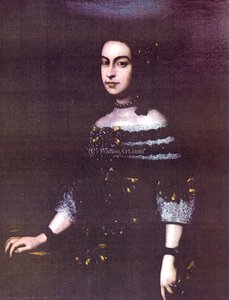
L'œuvre de Cittadini comprend de nombreuses peintures qui illustrent la préoccupation de l'esthétique baroque pour les récits dramatiques et la beauté idéalisée. Son célèbre « Portrait de Lucrezia Barberini » exemplifie l'attention méticuleuse aux détails et l'élégance royale propres à ses portraits, révélant une compréhension magistrale de l'anatomie et des draperies. Tout aussi impressionnant est « Ulysse déjouant Circé », une toile monumentale qui capture le drame mythologique du poème épique d'Homère avec un impact visuel saisissant — preuve de la capacité de Cittadini à traduire des thèmes littéraires en représentations artistiques puissantes.
- « Portrait de Lucrezia Barberini » – Huile sur toile
- « Ulysse déjouant Circé » – Huile sur toile
- « Musiciens enfants » – Huile sur toile
Héritage et importance historique
La contribution de Pier Francesco Cittadini à l'art baroque dépasse ses chefs-d'œuvre individuels ; il représente un lien crucial entre les traditions artistiques milanaises et romaines. Son dévouement inébranlable au naturalisme — couplé à son usage innovant de la couleur et de la composition — l'a établi comme l'un des plus grands peintres de son époque, assurant sa place dans le canon de l'art de la Renaissance italienne.
Ressources pour approfondir vos recherches :- AskART: Pier Francesco Cittadini
- Wikipedia: Pier Francesco Cittadini
Pour plus d'informations sur la vie et l'œuvre de Cittadini, veuillez consulter les publications savantes et les catalogues de musées.
Questions et réponses
Comment puis-je trouver des œuvres de Pier Francesco Cittadini par palette de couleurs ?
Pour trouver des œuvres de Pier Francesco Cittadini dans une palette spécifique, consultez la page Par palette de couleurs de l'artiste.
Où puis-je voir les œuvres de Pier Francesco Cittadini par ordre chronologique ?
Retrouvez les œuvres de Pier Francesco Cittadini par ordre chronologique sur la page Chronologie des œuvres de l'artiste.
Comment puis-je trouver toutes les œuvres de Pier Francesco Cittadini par technique ?
Les œuvres de Pier Francesco Cittadini peuvent être consultées par technique sur la page Par technique de l'artiste.