Matteo Basilé: Bridging Tradition and Innovation in Digital Surrealism
Matteo Basilè is an Italian digital artist born in Rome in 1974, recognized as one of the foremost figures shaping contemporary European art. From his formative years, Basilè demonstrated a singular fascination with merging artistic expression with technological advancements—a pioneering approach that positioned him amongst the earliest adopters of digital media within the European art landscape. His artistic journey began in the mid-nineties, marking a pivotal moment where he skillfully combined classical artistic principles with cutting-edge computational tools. This distinctive blend resulted in artworks that transcend conventional boundaries, revealing an extraordinary capacity to reconcile seemingly disparate concepts and perspectives. Today, Basilè resides and operates in Rome, continuing his exploration of visual storytelling and pushing the frontiers of artistic innovation.
Early Influences & Artistic Genesis
Basilé’s initial exposure to art stemmed from a deep appreciation for Tuscan heritage, nurtured by visits to institutions like Museo Nazionale di San Matteo in Pisa—a repository of Renaissance masterpieces including sculptures by Donatello and Simone Martini—and Museo Civico, showcasing medieval sculptures alongside Pisan art history within Palazzo Lanfani. These experiences instilled in him a profound understanding of artistic tradition and fueled his desire to reinterpret it through a modern lens. Simultaneously, he cultivated an interest in computer science and graphic design, recognizing the potential for digital tools to revolutionize creative processes. This dual passion ultimately crystallized into his unique artistic vision—a harmonious fusion of meticulous craftsmanship and groundbreaking technological experimentation. He was particularly moved by the sculptures of Michelangelo Buonarroti at Palazzo Lanfani, contemplating the grandeur of Renaissance art alongside the intricacies of Pisan sculpture history.
Technique & Conceptual Framework
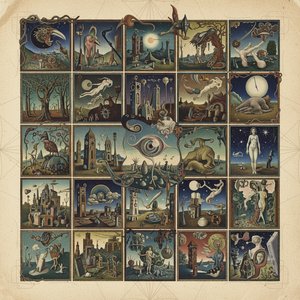
Basilè’s distinctive technique involves utilizing sophisticated software programs to generate intricate visual narrative that evoke dreamlike atmospheres and surreal imagery. He meticulously crafts each piece, employing techniques akin to traditional painting – layering textures, manipulating colors, and achieving remarkable detail—but harnessing the power of algorithms and generative art processes. This approach allows him to explore themes of mythology, folklore, and psychological introspection, delving into subconscious realms and questioning established perceptions of reality. His work isn’t merely aesthetically pleasing; it's a deliberate provocation, inviting viewers to contemplate profound questions about identity, perception, and the relationship between humanity and nature. Unlike many artists of his time, Basilè eschewed purely abstract explorations, instead favoring symbolic representations that resonate with universal human experiences.
Notable Achievements & Recognition
Basilè’s artistic endeavors have garnered considerable acclaim within the international art community. His captivating artworks—such as “Gentleman Deity”—have been exhibited in prestigious galleries across Europe, establishing him as a leading voice in digital surrealism. Critics consistently praise his ability to synthesize disparate influences – from classical sculpture to contemporary computer graphics – into cohesive and emotionally resonant compositions. Furthermore, Basilè’s commitment to artistic experimentation has earned him recognition as a visionary innovator who anticipates future trends in visual culture. His work stands apart for its intellectual depth and its capacity to inspire contemplation beyond superficial beauty. He was awarded the Premio Basilio Cascella in 2014 for his contribution to Italian contemporary art, solidifying his reputation as a trailblazing artist pushing boundaries of artistic expression.
Historical Significance & Legacy
Matteo Basilé represents more than just an artist; he embodies the spirit of artistic transformation in the digital age. By demonstrating that technological innovation can enrich artistic expression, he has challenged conventional notions of creativity and paved the way for a new generation of artists to explore uncharted territories. His pioneering use of generative art techniques—combined with his unwavering dedication to exploring universal themes—solidifies his place as a pivotal figure in European contemporary art history. Basilè’s legacy extends beyond individual artworks; it resides in his contribution to redefining what constitutes artistic excellence and inspiring ongoing dialogue about the role of technology in shaping our cultural landscape. He continues to inspire artists worldwide with his audacious vision and his belief that art can transcend limitations, fostering a deeper understanding of human experience and promoting innovation within the visual arts realm.