Liao Dynasty: A Fusion of Cultures
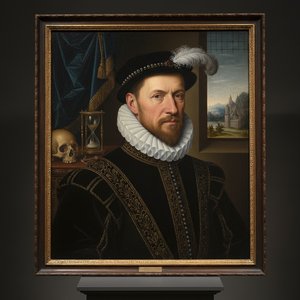
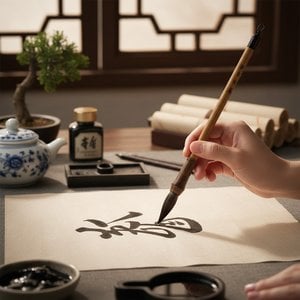
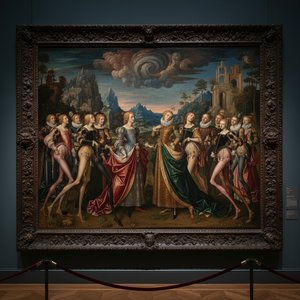
The Liao dynasty (916–1125) stands as a pivotal moment in Chinese history, marking the ascendancy of nomadic Khitans who reshaped the political landscape and artistic traditions of Northern China. Unlike many dynasties that emerged from centralized imperial power, the Liao arose from a coalition of tribes united by ambition and driven by the legacy of earlier Turkic migrations—a testament to the dynamism of Eurasia during the tenth century. Its rulers skillfully blended Khitan customs with Chinese administrative practices, creating a unique cultural synthesis that profoundly impacted art, literature, and social life. Origins & Rise: Following the Tang dynasty’s collapse, Khitan clans coalesced around Yelü Chuočóng (907–946), establishing the Liao state with its capital at Shangjing (modern Inner Mongolia). Chuočóng's astute diplomacy secured alliances and expanded Liao territory, laying the groundwork for a period of unprecedented stability and prosperity. His reign witnessed a remarkable transformation—a deliberate embrace of Chinese governance models that signaled a profound rethinking of imperial authority. Recognizing the importance of legitimacy beyond military might, Chuočóng adopted titles reminiscent of Tang emperors and initiated ambitious architectural projects designed to emulate the grandeur of Chang’an—the former capital of the Tang dynasty. This calculated move underscored his conviction that true power resided not merely in conquering enemies but also in cultivating cultural prestige. Cultural Synthesis: The Liao emperors embraced Chinese culture—adopting titles, commissioning monumental architecture modeled on Tang palaces, and fostering Confucian scholarship—demonstrating an understanding that legitimacy rested not solely on military prowess but also on cultural prestige. This fusion is vividly reflected in Liao art, which incorporates Khitan motifs alongside classical Chinese stylistic conventions. Artists skillfully blended traditional Turkic artistic techniques with established Chinese aesthetic principles—a testament to the creative energy of this era. The resulting artworks conveyed a harmonious blend of spiritual contemplation and worldly grandeur—a reflection of the Liao rulers’ vision for their kingdom. Artistic Achievements: Liao artists excelled in calligraphy, painting, sculpture, and ceramics. Landscape paintings—particularly those depicting misty mountains and serene lakes—became a hallmark of Liao artistic expression, reflecting the Khitans’ reverence for nature and their desire to portray idealized beauty. The use of vibrant colors and meticulous detail showcased technical mastery and conveyed profound spiritual contemplation. Scholars and artists alike sought inspiration from Daoist philosophy—a tradition that emphasized harmony with the cosmos and veneration for ancestral spirits—influencing stylistic choices and thematic concerns. Moreover, Liao artisans produced exquisite porcelain vessels adorned with floral designs and stylized dragons—demonstrating unparalleled craftsmanship and elevating ceramic art to new heights of sophistication. Notable Works: Among the most celebrated Liao artworks are “Broad Jar with Floral Design” and “Fictitious Circular Head and Fictitious City Sky,” masterpieces that exemplify the dynasty’s artistic ideals. These pieces demonstrate a sophisticated understanding of perspective, color theory, and compositional balance—skills honed through centuries of tradition. The meticulous rendering of mountain landscapes—characterized by hazy peaks and tranquil waters—captured the essence of Khitan spirituality and aesthetic sensibilities. Similarly, “Fictitious Circular Head” embodies the Liao’s fascination with symbolism—a motif that harkens back to Turkic cosmological beliefs and conveys a sense of timeless grandeur. These artworks stand as enduring symbols of Liao artistic excellence—testaments to the dynasty's ability to synthesize disparate cultural influences into a singular visual idiom. Decline & Legacy: Despite its cultural achievements, the Liao dynasty faced mounting challenges from rival Jin dynasties and Mongol incursions. By 1125, the Liao capital fell to Jurchen forces, marking the end of Khitan rule in China. However, Liao art continued to inspire subsequent generations of artists, preserving a distinctive aesthetic that endured for centuries after its demise—a lasting testament to the Liao dynasty’s contribution to Chinese artistic heritage. The stylistic innovations pioneered during this period—particularly the use of color and detail—influenced painters throughout the Song Dynasty and beyond—demonstrating the enduring impact of Liao artistic traditions on the broader cultural landscape of Northern China.Questions et réponses
Où trouver les œuvres de 辽朝 regroupées par mots-clés ?
Pour trouver des œuvres de 辽朝 sur un thème spécifique, consultez la page Par mots-clés de l'artiste, qui regroupe les œuvres par mot-clé.
Dans quels mouvements 辽朝 a-t-il travaillé ?
Retrouvez les œuvres de 辽朝 classées par mouvement sur la page Tous les mouvements artistiques de l'artiste.
Quelles couleurs 辽朝 a-t-il le plus souvent utilisées ?
La ADN de la palette de 辽朝 présente le profil chromatique de l'ensemble de son œuvre.