Lee Sang-beom: Bridging Tradition and Modern Vision
Lee Sang-beom (1897 – 1972) stands as a pivotal figure in Korean modern art, embodying the harmonious fusion of classical ink wash painting traditions with burgeoning contemporary sensibilities. Born in Seoul during a period of significant social upheaval—the early 20th century saw Korea grappling with colonial rule and striving for national identity—Sang-beom’s artistic journey mirrored this turbulent landscape, ultimately yielding a distinctive oeuvre characterized by serene landscapes imbued with subtle emotional depth.
Early Life & Artistic Training:
Influenced profoundly by Confucian Philosophy & Japanese Impressionism
From his earliest years, Lee Sang-beom absorbed the tenets of Confucianism—a bedrock of Korean culture—which instilled in him an unwavering belief in balance, harmony, and contemplative reflection. This philosophical grounding permeated his artistic sensibilities, shaping his worldview and informing his creative process. Simultaneously, he encountered the stylistic breakthroughs originating from Japanese Impressionism, particularly the captivating works of Hiroshi Yoshida. Yoshida’s depictions of majestic mountainous vistas captivated Sang-beom with their masterful use of color and light—a technique that would become integral to his own artistic approach. He honed his skills in *sumukhwa*, mastering the meticulous conventions of traditional ink wash painting while subtly injecting expressive gestures that transcended mere replication, demonstrating an exceptional command of technique.
The Landscape Tradition Revisited:
Exploring Abstract Expressionism: The Prison Paintings
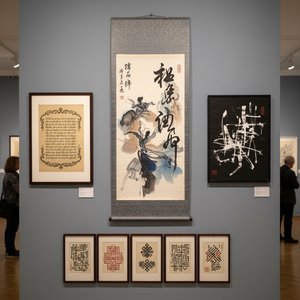
Sang-beom’s artistic trajectory was marked by a deliberate reconsideration of Korea's rich landscape tradition. However, recognizing the limitations of replicating nature faithfully, he embarked on a daring experiment—the creation of “Prison Paintings.” These canvases represent a bold departure from his earlier serene landscapes and embody the spirit of abstract expressionism. Faced with confinement during the Korean War, Sang-beom channeled his inner turmoil onto the canvas, utilizing expansive brushstrokes, vibrant hues, and gestural marks to convey profound emotion. Despite the stark contrast between subject matter and artistic style, these paintings retain an underlying sense of serenity—a testament to Sang-beom’s unwavering commitment to artistic integrity amidst adversity. They stand as a powerful symbol of resilience and introspection, reflecting the artist's ability to transform personal experience into universal themes.
Legacy & Recognition: A Korean Master’s Enduring Influence
Lee Sang-beom cemented his place among Korea’s most revered painters, securing international acclaim for his stylistic innovation and philosophical depth. His landscapes continue to inspire viewers today, reminding us of the enduring power of tradition reimagined through the lens of modern artistic vision. Museums like Lee Ungno Museum showcase his remarkable collection, allowing visitors to experience firsthand the beauty and complexity of his artistic legacy—a legacy that transcends time and continues to resonate with audiences worldwide. He is remembered as a pioneer who successfully bridged the gap between Eastern philosophical ideals and Western artistic experimentation, establishing himself as an icon of Korean art history.
Par la rédaction de WahooArt.com
Quiz d'art
Chaque question ne comporte qu'une seule bonne réponse.
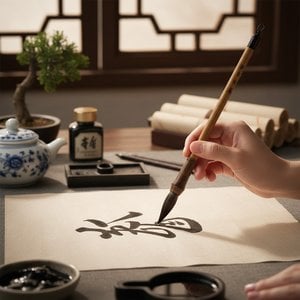
Explore the profound beauty of calligraphy art. From the fluid running script of Chinese masters to historical ink masterpieces, discover how the elegance of line transforms spaces with timeless grace and scholarly sophistication.
Embark on a profound journey through the soul of Chinese calligraphy. Explore the historical mastery of ink, brush, and script, from ancient Zhuanshu to elegant running script, and discover how this timeless art form reflects the enduring spirit of classical East Asian aesthetics.
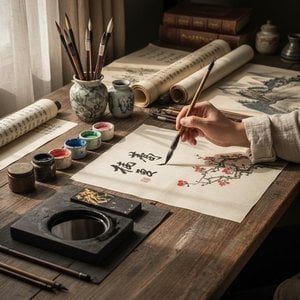
Embark on a sophisticated exploration of ink wash painting and Sumi-e. Uncover the profound historical lineages, Zen philosophies, and technical mastery behind this timeless medium in our authoritative guide for fine art enthusiasts.
Bonjour ! Je peux vous aider à choisir une œuvre d'art, à suivre une commande ou à répondre à vos questions sur la garantie. Comment puis-je vous aider ?