Lê Phổ: A Synthesis of Impressionism, Surrealism and Vietnamese Tradition
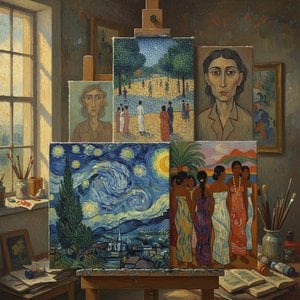
Lê Phổ (1907 – 2001) stands as one of Vietnam’s most celebrated artists, a figure whose oeuvre embodies the confluence of Western artistic movements—particularly Impressionism and Surrealism—with deeply rooted traditions of Chinese art and Vietnamese culture. Born in Ha Dong District, Hanoi, Lê Phổ embarked on his artistic journey at École Supérieure des Beaux Arts de l'Indochine (ESBA), establishing himself as a pivotal voice within the burgeoning avant-garde scene of French Indochina during the early decades of the 20th century. This formative period profoundly shaped his stylistic sensibilities and cemented his commitment to exploring themes of beauty, femininity, and contemplation.
Early Hanoi Years (1930s): Impressionistic Roots
Lê Phổ’s initial artistic explorations manifested a distinctly Impressionistic style—a direct response to the influence of luminaries like Monet and Renoir. These paintings frequently depicted serene landscapes of Vietnam, capturing the tranquil essence of rural Vietnamese life with luminous color palettes and loose brushstrokes. The artist's formative years at ESBA instilled in him a profound appreciation for capturing fleeting moments of beauty and conveying emotion through visual language—a cornerstone of his artistic vision throughout his career. His early works served as a foundational expression of Vietnam’s natural splendor, reflecting the spirit of its cultural heritage.
Parisian Engagement (1936-1945): Surrealist Horizons
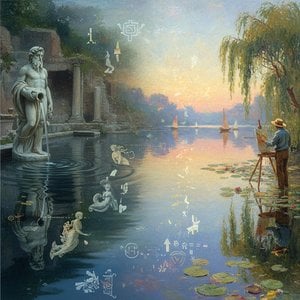
Following his relocation to Paris in 1936, Lê Phổ’s artistic horizons expanded dramatically. Embracing Surrealist techniques—dreamlike imagery and unexpected juxtapositions—he drew inspiration from artists such as Dalí and Magritte. This stylistic shift mirrored a broader intellectual engagement with psychoanalytic theories and signaled a desire to delve into the subconscious realm—a characteristic that would permeate his subsequent oeuvre. Collaborations with fellow Surrealists enriched his artistic repertoire, fostering experimentation and challenging conventional perceptions of reality. His Parisian period witnessed significant artistic growth, marking him as a pioneer in blending Eastern aesthetics with Western avant-garde sensibilities.
The Findlay Period (1960-2001): Monumental Visions
From 1960 until his passing in 2001, Lê Phổ achieved unparalleled artistic virtuosity—a testament to his unwavering dedication and mastery of diverse mediums. His paintings became increasingly monumental in scale and imbued with a profound sense of spirituality, reflecting the evolving cultural landscape of Vietnam during this era. He skillfully blended Impressionistic color harmonies with Surrealist distortions—creating artworks that transcended stylistic boundaries and captivated audiences worldwide. Wally Findlay’s patronage played an instrumental role in elevating Lê Phổ's reputation internationally, securing his legacy as one of Vietnam’s foremost artistic figures.
Influences and Legacy
Lê Phổ’s artistic trajectory was shaped by a confluence of influences—ranging from Impressionism to Surrealism and Chinese calligraphy—demonstrating his intellectual curiosity and commitment to exploring diverse cultural traditions. His enduring legacy resides in his ability to convey profound emotions through deceptively simple compositions, inviting viewers into realms of contemplation and wonder. Recognized as one of the “Four Bai Graduates” who established themselves in Paris alongside Mai Trung Thứ, Vũ Cao Đàm and Lê Thị Lưu, he championed a uniquely Vietnamese artistic idiom—one that harmoniously blended Western influences with Eastern traditions. Today, Lê Phổ’s artworks continue to inspire artists and scholars alike, securing his place as an icon of Vietnamese art history and a testament to the transformative power of artistic experimentation.