Krzysztof Jan Cander: A Master of Flemish Primitive Influence
Krzysztof Jan Cander (1936-2006) was a Polish painter and pedagogue whose artistic journey spanned decades, culminating in a distinctive style rooted in the traditions of Flemish Primitive painting. Born in Ostrowie Wielkopolskim, Poland, he cultivated an unwavering passion for art from a young age, profoundly shaped by encounters with masterpieces like Rubens’ “Zdjęcie z krzyża” during his formative years at Gdańsk PWSSP. This early exposure instilled within him a deep appreciation for meticulous observation and expressive color palettes—elements that would become hallmarks of his oeuvre.
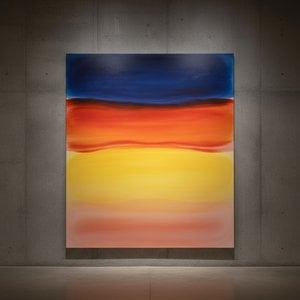
Cander's artistic development unfolded primarily in the 1960s, when he embarked on his professional career. He quickly established himself as a respected figure in the Polish art scene, favoring abstraction and expressionism as mediums to convey complex emotions and ideas. His canvases pulsated with vibrant hues—primarily reds, yellows, and blues—applied with deliberate precision and textural layering, mirroring techniques employed by artists of the Flemish Primitive movement. This stylistic choice wasn’t merely an aesthetic preference; it represented a conscious effort to engage with artistic heritage and explore universal themes of nature, human experience, and the passage of time. He was recognized as a pioneer in Flemish Primitive influence, blending meticulous observation with emotive color to create impactful artworks that continue to resonate with audiences today.
His formative years at Gdańsk PWSSP proved instrumental in shaping his artistic vision. The profound impact of Rubens’ “Zdjęcie z krzyża” ignited within him an enduring fascination for dramatic composition and symbolic representation—influences that would permeate throughout his entire artistic output. He diligently studied the techniques of Flemish Primitive painters, meticulously replicating their masterful use of chiaroscuro and color harmonies to achieve unparalleled realism and emotional depth.
Notable Works: “Death Dance” exemplifies Cander's masterful command of color and form, capturing a dramatic interplay between light and shadow—a characteristic found in the works of Jan Brueghel III and Pieter Bruegel the Elder. The painting’s unsettling atmosphere and evocative imagery powerfully convey themes of mortality and spiritual contemplation, mirroring the artistic sensibilities of the Flemish Masters.
Teaching Legacy: He served as Professor at Gdańsk PWSSP for over 30 years, nurturing generations of aspiring artists and imparting invaluable knowledge about painting and drawing techniques. His pedagogical approach prioritized fostering creativity and encouraging students to explore their own artistic voices—leaving an indelible mark on the landscape of Polish art education. He instilled in his pupils a dedication to craftsmanship and a profound understanding of artistic history, shaping future generations of painters who would carry forward his legacy.
Recognition & Awards: Cander’s unwavering commitment to his craft garnered him numerous accolades, including the Złoty Krzyż Zasługi (Golden Cross of Merit) awarded by the Polish Ministry of Culture and Art—a testament to his contribution to Polish artistic culture. This honor underscored his significance as a cultural figure and reaffirmed his dedication to promoting excellence in visual arts.
Throughout his career, Cander consistently pursued innovation while honoring tradition, demonstrating versatility and a deep engagement with artistic discourse. His paintings are housed in prestigious museums across Poland and internationally, including Kraków, Gdańsk, Chorzów, Bydgoszcz, Ostrowie Wielkopolskim, Wrocław, Cincinnati, San Diego and Tunisia—a lasting legacy of his artistic vision and enduring influence on contemporary Polish art. He was a true master of his craft, leaving behind a body of work that continues to inspire admiration and scholarly study.