Un Maître du Réalisme Romantique : La Vie et l'Héritage de José Benlliure y Gil
Dans la grande tapisserie de l'histoire de l'art espagnol, peu de fils brillent avec autant d'éclat dramatique que ceux tissés par José Benliure y Gil. Né dans les paysages baignés de soleil de Valence en 1858, Benlliure s'est imposé comme une figure charnière, jetant un pont entre l'émotion expansive du Romantisme et la précision méticuleuse et sans concession du Réalisme. Sa vie fut un voyage d'une profonde évolution artistique, s'éloignant de la rigueur académique de Madrid pour rejoindre l'atmosphère vibrante et classique de Rome, où il allait finalement sceller sa réputation de maître du récit historique et de la narration atmosphérique.
Les fondations du génie de Benlliure furent posées sous le regard attentif de Francisco Domingo Marqués, un mentorat qui lui apporta la discipline technique nécessaire aux œuvres monumentales de grande envergure. Sa quête précoce de l'excellence le mena à l'Escuela Superior de Pintura à Madrid, une expérience qui élargit ses horizons au-delà de ses racines valenciennes et l'initia aux courants plus vastes de l'art européen. Cette période de formation ne consistait pas seulement à apprendre la maîtrise du pinceau ; il s'agissait d'absorber l'âme de la tradition espagnole, une passion qu'il partageait profondément avec son frère, le célèbre sculpteur Mariano Benlliure. Ensemble, les deux frères représentèrent une force formidable dans les beaux-arts espagnols, mêlant la beauté plastique de la sculpture à la profondeur narrative de la peinture.
Les Années Romaines et l'Apogée de son Accomplissement
L'épanouissement véritable de l'esprit créateur de Benlliure survint lors de sa résidence transformative à Rome, entre 1903 et 1913. Immergé dans la Ville Éternelle, il devint une figure centrale de la colonie artistique espagnole, puisant son inspiration dans les strates d'histoire qui imprégnaient chaque rue et chaque monument romain. C'est durant cette ère que son œuvre atteignit ses sommets les plus époustouflants, caractérisés par une maîtrise de l'ombre et de la lumière capable de insuffler la vie au passé antique. Sa capacité à décorer des édifices publics avec des compositions grandioses et enveloppantes lui valut d'importantes commandes ainsi que le respect du gouvernement espagnol.
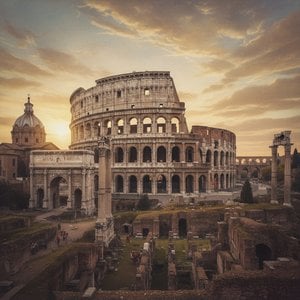
Nulle part sa maîtrise n'est plus évidente que dans son magnum opus, « La Visión en el Coliseo » (La Vision dans le Colisée). Achevé en 1908, ce tableau s'offre comme une fenêtre saisissante sur l'Antiquité. Grâce à un usage magistral de la technique, Benlliure capture la tension viscérale du combat de gladiateurs, imprégnant la scène d'une profondeur psychologique qui transcende la simple reconstitution historique. L'œuvre est une symphonie de mouvement et d'émotion, où la rudesse de l'arène rencontre la grandeur sublime de l'esprit romain. Cet accomplissement lui permit de recevoir de prestigieuses distinctions, notamment un premier prix à l'Exposition Nationale, marquant ainsi son ascension vers la reconnaissance internationale.
Une Empreinte Durable sur le Canon Espagnol
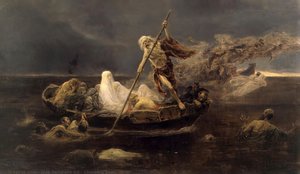
Au-delà des toiles monumentales qui définissent son héritage, l'œuvre de Benlliure est célébrée pour sa polyvalence. Il possédait cette rare capacité à passer de l'échelle épique du drame historique à l'intimité calme et évocatrice des peintures de genre et des paysages italiens. Son pinceau pouvait capturer la texture rugueuse d'une armure de soldat ou la lumière douce et éphémère d'un après-midi méditerranéen avec une égale grâce. Cette dualité lui permit de résonner tant auprès de l'élite académique qu'auprès de ceux touchés par la beauté simple de la vie quotidienne.
L'importance historique de José Benlliure y Gil réside dans son rôle de gardien de la peinture narrative durant une période de transition artistique rapide. Alors que le monde commençait à s'orienter vers des expressions plus abstraites, Benlliure est resté dévoué au pouvoir de l'image pour raconter des histoires, susciter l'empathie et honorer le poids de l'histoire. Son travail demeure un témoignage de la force durable du Réalisme Romantique, offrant aux spectateurs modernes une connexion profonde avec les triomphes, les tragédies et la beauté intemporelle de l'expérience humaine.