Ivan Slavkov: Sculptor of Memory and Legacy
Ivan Slavkov (1940-2011) was a Bulgarian artist and sports administrator whose life intersected dramatically with the turbulent history of his nation—particularly during the Soviet era. Born in Sofia, Bulgaria, he emerged from a family steeped in political influence, shaping his artistic vision and career trajectory amidst the complexities of communist ideology. While Slavkov’s sculptures gained international recognition for their evocative portrayal of human emotion and resilience, his personal narrative remains inextricably linked to Bulgaria's struggle for freedom and self-determination.
Early Life and Artistic Beginnings
Ivan Slavkov was born May 11, 1940, in Sofia, Bulgaria—the daughter of Lyudmila Zhivkova, the influential daughter of Todor Zhivkov, Bulgaria’s communist leader—and Ivan Slavov. He pursued his education diligently, earning a degree in engineering from Sofia Technical University before delving into the world of art. His formative years were marked by exposure to socialist realism, which profoundly impacted his artistic sensibilities and instilled in him a commitment to conveying narratives rooted in social responsibility. Despite facing personal tragedies – including the untimely death of his wife Svetla Marinova in a plane crash – Slavkov persevered, establishing himself as a respected sculptor and cultivating an enduring fascination with human experience. His early works reflected the dominant stylistic trends of the time, prioritizing monumental forms and idealized representations of labor and heroism—a deliberate choice to honor Bulgaria’s socialist heritage while simultaneously exploring universal themes of human dignity and compassion.
A Career Bridging Sport and Art
Slavkov’s professional life unfolded across two distinct domains: sports administration and artistic creation. He began his career as a journalist for Rabotnichesko Deloin London, honing his communication skills and developing a keen understanding of public discourse. Simultaneously, he excelled in water polo, representing Bulgaria's national team with distinction—a passion that would define much of his later life. However, it was his role as President of the Bulgarian Olympic Committee (BOC) between 1982 and 2005 that cemented his legacy—a position he held during the zenith of communist rule. During this period, Slavkov navigated the political landscape with unwavering determination, advocating for Bulgaria’s participation in international sporting events and championing values of unity and cooperation. He served as Director General of Bulgarian Television from 1972 until 1982, skillfully blending artistic vision with administrative responsibility—a testament to his multifaceted talents. His leadership at BOC fostered a vibrant cultural environment within Bulgaria, nurturing talent and promoting excellence in both sport and the arts.
Sculptural Achievements and Artistic Style
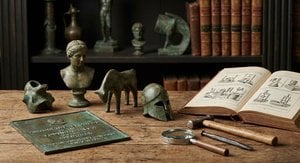
Slavkov’s artistic output focused primarily on bronze sculptures—a medium that allowed him to explore themes of human emotion, memory, and resilience. His works often depict figures engaged in moments of profound contemplation or struggle, reflecting a humanist aesthetic informed by both classical influences and Eastern European traditions. Slavkov's sculptures are characterized by meticulous craftsmanship, capturing subtle nuances of expression and conveying powerful narratives through stylized forms—often imbued with symbolic resonance. Notable pieces include “The Gardener,” “The Poet,” and “The Dancer”—each embodying Slavkov’s artistic vision—which explore the complexities of human existence and grapple with questions of identity and purpose. His sculptures stand as testament to his ability to transform raw material into evocative representations of human experience, securing his place among Bulgaria's most celebrated artists. He consistently sought inspiration from both ancient mythology and contemporary social realities, blending formal elegance with emotional depth—a stylistic hallmark that distinguishes his oeuvre from many of his peers.
Historical Significance and Legacy
Ivan Slavkov’s life spanned the transformative decades following Bulgaria’s liberation from Soviet domination—a period marked by political upheaval and cultural renewal. Despite facing legal challenges stemming from allegations of corruption related to the 1994 Sofia bid for the Winter Olympics, Slavkov maintained his integrity and successfully defended himself against criminal charges—a victory that underscored his resilience and unwavering commitment to ethical conduct. However, the IOC Ethics Commission launched a formal inquiry into his involvement in the London 2012 scandal—a matter that ultimately resulted in his expulsion from the organization—leaving behind a complex legacy as a figure of both artistic accomplishment and political controversy. Nevertheless, Ivan Slavkov’s sculptures continue to resonate with audiences worldwide, serving as enduring symbols of Bulgaria's cultural heritage and embodying the humanist values he championed throughout his life—a testament to his profound contribution to Bulgarian art history.