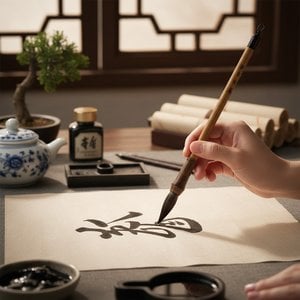
Dr. Gao Xingjian: A Voice of Bitter Insight and Linguistic Ingenuity
Dr. Gao Xingjian (born January 4, 1940 in Ganzhou, Jiangxi Province, China) stands as a singular figure in contemporary literature—a Nobel Laureate whose experimental novels and plays have irrevocably reshaped the landscape of Chinese drama and prose. His work transcends national boundaries, grappling with universal themes of identity, loss, and the relentless pursuit of meaning amidst societal upheaval. Born into a family steeped in artistic tradition, Gao’s early education fostered an appreciation for both literature and visual arts, shaping his lifelong creative endeavors.
### Early Life & Education: Seeds of Artistic Vision
Gao Xingjian's formative years were marked by the turbulent backdrop of the Cultural Revolution (1966-76), a period of intense ideological fervor that profoundly impacted Chinese society. Despite facing censorship and persecution—including the destruction of his manuscripts—he persevered in honing his craft, fueled by an unwavering belief in the power of storytelling. His studies at Beijing Language Institute provided him with fluency in French, opening doors to intellectual exchange and influencing his stylistic choices later in life. This grounding in Western thought would become a cornerstone of his artistic vision. He was educated in state schools and took a degree in French in 1962 at the Department of Foreign Languages in Beijing. During the Cultural Revolution (1966-76) he was sent to a reeducation camp and endured nearly six years of hard labour.
### Literary Breakthroughs & Experimental Theatre: Challenging Conventions
Gao Xingjian’s literary career gained momentum in the 1980s with the publication of groundbreaking experimental works that defied conventional narrative structures and interrogated societal norms. Notably, *Signal d’alarme* (1982), his debut play, garnered critical acclaim for its audacious blend of Brechtian techniques and absurdist humor—a bold departure from established theatrical traditions. Subsequent productions like *Arrêt de bus* (1983) faced vehement opposition from authorities due to their subversive critique of political ideology, cementing Gao’s reputation as a fearless provocateur. His exploration of existential themes resonated deeply with audiences worldwide. He continued to explore the boundaries of experimental drama with plays such as *Yeren* (1985; *Wild Man*) and, most notably, *L’autre rive*/*The Other Shore* (1986), which was quickly banned by the authorities. Gao Xingjian's theatrical debut with *Signal d’alarme*/*Alarm Signal* (1982) was a tempestuous success, and *Arrêt de bus*/*Bus Stop* (1983) established his reputation as a daring innovator.
### Soul Mountain & The Nobel Prize: A Journey Through China's Soul
Perhaps Gao Xingjian’s magnum opus is *Soul Mountain* (1999), a sprawling narrative tapestry woven from fragmented recollections and encounters during his pilgrimage across southwestern China. This ambitious novel—characterized by its shifting perspectives, unconventional chronology, and masterful use of poetic language—represents a profound meditation on the human condition and the enduring quest for roots amidst rapid modernization. Its lyrical prose and evocative imagery captivated readers globally, earning Gao Xingjian the prestigious Nobel Prize in Literature “for an oeuvre of universal validity, bitter insights and linguistic ingenuity.” He wrote in both Chinese and French. Several of his plays have been published in *The Other Shore: Plays by Gao Xingjian* (1999).
### Artistic Style & Influences: Beckettian Echoes & Avant-Garde Spirit
Gao Xingjian’s artistic style is undeniably influenced by luminaries such as Samuel Beckett and Eugène Ionesco—writers who championed the bleak realities of human existence through minimalist prose and theatrical explorations. He consistently employs sparse language, fragmented narratives, and unsettling imagery to convey profound emotional truths. His paintings, executed in ink, mirror this aesthetic sensibility, reflecting a preoccupation with solitude, contemplation, and the beauty found within seemingly desolate landscapes. Gao Xingjian’s legacy extends beyond his literary achievements; he remains an enduring symbol of artistic courage and intellectual integrity—a voice that continues to challenge conventions and inspire reflection on the complexities of human experience. He often portrays his inner mindscape, leading the audience to a world invisible to the human eye.