Francesco Benaglio: A Verona Renaissance Innovator
Francesco Benaglio (Benalius), Italian painter, originally Pietro dalla Biada, was born around 1430 in Verona, Italy – the son of Pietro dalla Biava, a grain merchant from Bergamo. His artistic lineage suggests an upbringing steeped in mercantile traditions alongside exposure to humanist ideals prevalent during the Renaissance. Moving with his family to Verona by 1456, Benaglio established himself as a prominent artist within the city’s burgeoning cultural landscape.
Early Career & Patronage: Benaglio's artistic journey commenced with a significant commission – a triptych for San Bernardino Cathedral in Verona (1462-1463). This undertaking showcased his talent and secured him recognition within the influential Veronese art world, demonstrating an early aptitude for ambitious projects and attracting the attention of discerning patrons. The cathedral’s commission solidified Benaglio's reputation as a skilled craftsman capable of tackling monumental undertakings—a hallmark of Veronese artistic ambition during this period.
The Scandalous Frescoes: A notable episode in Benaglio’s life unfolded in 1475 when he and fellow painter Martino faced legal repercussions for decorating the Palazzo Saramboro with frescoes deemed offensive by the family's adversaries. This incident highlights not only artistic experimentation but also the social context of Verona at the time – a city grappling with political tensions and challenging artistic boundaries. The controversy surrounding the Saramboro frescoes underscored the importance of artistic freedom alongside societal sensitivities, prompting reflection on the role of art in shaping public opinion.
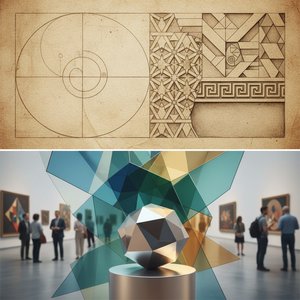
A Distinctive Style: Benaglio’s distinctive style is characterized by geometric precision combined with expressive dynamism. His Madonna and Child paintings exemplify this approach, featuring figures rendered with remarkable rigidity—a deliberate stylistic choice that contributes to their monumental presence. Background landscapes are stylized and dramatic, further amplifying the impact of his compositions. These techniques reflect a fascination with mathematical principles – evident in perspective foreshortening – alongside an unwavering commitment to conveying emotion through visual representation. Artists like Piero della Francesca had already begun exploring similar spatial illusions, influencing Benaglio’s innovative use of perspective to heighten the emotional resonance of his artworks.
Notable Works: Among Benaglio’s most celebrated pieces include several Madonna and Child depictions—particularly those attributed to him—which stand out for their masterful use of geometric forms and evocative landscapes. These paintings are considered pivotal examples of Veronese Renaissance art, demonstrating a profound understanding of artistic conventions while simultaneously pushing boundaries through innovative stylistic elements. His contribution to the artistic heritage of Verona remains undeniable, securing his place as one of the city’s most revered painters.
Legacy & Influence: Francesco Benaglio died around 1492 in Verona, marking the end of an influential artistic career. Despite the brevity of his life, he left behind a body of work that embodies the spirit of the Renaissance—a testament to Veronese artistry and a cornerstone of European art history. His paintings continue to be studied and admired for their technical brilliance and expressive power, securing his place as one of Verona’s most significant artistic figures. He remains an inspiration for artists striving to achieve similar levels of sophistication and emotional depth in their own creations.