CONSEIL EN ART GRATUIT

x

Edward Avedisian

1936 - 2007

Informations clés

  • Works on APS: 2
  • Died: 2007
  • Born: 1936, Lowell, États-Unis
  • Art period: Moderne
  • Top 3 works:
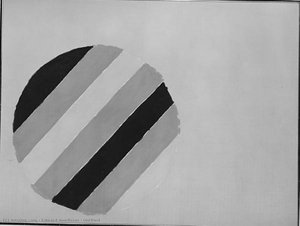
    • Kool-Aid
    • Untitled
  • Plus…
  • Nationality: États-Unis
  • Lifespan: 71 years
  • Copyright status: Under copyright
  • Top-ranked work: Kool-Aid

Quiz d'art

Chaque question ne comporte qu'une seule bonne réponse.

Question 1:
Quel mouvement artistique était associé à Edward Avedisian au début des années 1960 ?
Question 2:
Dans quelle galerie Edward Avedisian présentait ses œuvres entre 1958 et 1963 ?
Question 3:
Quel musée accueillait une exposition présentant les œuvres d’Avedisian en 1965 ?
Question 4:
Quand Edward Avedisian est décédé ?
Question 5:
Quel était le style artistique phare d’Edward Avedisian ?

Edward Avedisian: Pioneer of Lyrical Abstraction

Edward Avedisian (June 15, 1936 – August 17, 2007) stands as a cornerstone of American abstract painting during the mid-century’s formative years. Born in Lowell, Massachusetts, his artistic journey began with rigorous training at Boston's School of the Museum of Fine Arts, firmly anchoring him within the burgeoning movement of Color Field painting – an approach distinguished by expansive canvases bathed in luminous hues and delicately blended tones. Yet, Avedisian swiftly transcended this initial stylistic framework, embracing a more profoundly emotive style termed lyrical abstraction, which would ultimately establish his reputation as one of the era’s most compelling voices.

Early Artistic Foundations & The Influence of Color Field Painting

His formative years at Boston's School of Fine Arts cultivated an unwavering appreciation for tonal harmony and compositional balance – principles that served as bedrock for his subsequent artistic endeavors. This meticulous attention to detail mirrored the broader ethos of Color Field painting, where artists like Mark Rothko and Barnett Newman sought to convey spiritual experience through monumental canvases dominated by saturated colors. The deliberate reduction of form to pure pigment—a technique championed by these pioneers—became a defining characteristic of Avedisian’s oeuvre, reflecting his commitment to capturing intangible emotions rather than depicting recognizable subjects.

New York City & Artistic Exploration

Moving to New York City in 1958 propelled him into the pulsating heart of artistic innovation and exposed him to influential contemporaries who actively shaped the trajectory of abstract expressionism. This relocation fueled his creative impetus, encouraging experimentation with texture and gesture—elements that would become integral to his distinctive lyrical abstraction style. Galleries like Hansa and Tibor de Nagy quickly recognized Avedisian’s talent, securing commissions and fostering connections with collectors eager to embrace his singular vision.

Notable Exhibitions & Recognition

Between 1958 and 1963, he garnered considerable acclaim through six solo exhibitions at these prestigious venues, establishing a secure foothold in the burgeoning New York art scene. These presentations underscored his unwavering dedication to exploring color’s expressive potential—specifically its capacity to communicate mood and emotion—a characteristic that resonated deeply with critics and audiences alike. Notably, Avedisian's paintings graced the cover of Artforum in 1969, signaling recognition from a respected publication devoted to contemporary art discourse and validating his artistic endeavors as part of a larger cultural conversation. Furthermore, he was included in “Op Art: The Responsive Eye” at MoMA (1965) and four annuals at the Whitney Museum of American Art, cementing his place within the annals of influential artists shaping the visual landscape of the decade.

A Distinctive Style & Legacy

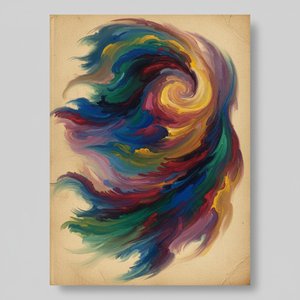
Avedisian’s lyrical abstraction—characterized by swirling brushstrokes, layered textures, and a deliberate eschewal of representational imagery—became his signature style. He sought to distill complex feelings into simplified forms, prioritizing intuition over intellectual calculation. This approach resonated powerfully with viewers captivated by the expressive force of color and gesture, mirroring the broader trends within abstract art during the 1960s. His paintings were widely circulated and acquired by prominent museums across the United States, ensuring his enduring legacy as a pivotal contributor to American artistic heritage—a testament to an artist who dared to confront profound emotional truths through the transformative medium of abstraction.