early life and education
charles percier, a renowned french architect, interior decorator, and designer, was born on august 22, 1764, in paris. his family's humble background did not deter him from pursuing his passion for art and architecture. at the age of 12, percier attended a free school for teaching drawing, where his talent was quickly recognized.
partnership with pierre fontaine
percier's collaboration with
pierre fontaine, a fellow student at the studio of architect antoine-françois peyre, marked the beginning of a lifelong and highly successful partnership. from 1794 onward, their joint efforts became synonymous with the rich, grand, consciously-archaeological versions of neoclassicism, known as
directoire style and
empire style.
notable works and legacy
percier's contributions to french architecture and design are numerous. some of his notable works include:
- view of a roman house (watercolor), showcasing his early fascination with classical roman architecture.
- participation in the rejuvenation of the palace of tuileries, where his father once worked.
- collaborations with fontaine on various building and decorative projects during napoleon's reign, including the arc du carrousel and the palais du roi de rome.
museums and collections
percier's works can be found in various museums, including:
- château de fontainebleau, where he explored the architecture and décor.
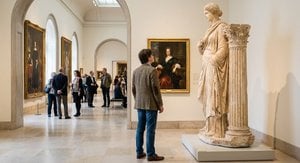
- musée des beaux-arts de carcassonne, featuring a collection of western paintings from the 17th to the 20th century, including works by renowned artists such as françois perrier, lanfranco, pretti, van goyen, morelsee, teniers, rigaud, chardin, corot, courbet, marquet, and morellet.
references and further reading
for more information on charles percier's life and work, visit:
conclusion
charles percier's legacy extends beyond his own works, influencing a new generation of architects and designers, shaping the course of french neoclassical architecture. his partnership with pierre fontaine resulted in some of the most iconic examples of directoire style and empire style, cementing his place in the annals of art history.