CONSEIL EN ART GRATUIT

x

Informations clés

  • Works on APS: 5
  • Top 3 works:
    • At the Seaside
    • The First Kiss
    • Surprise
  • Top-ranked work: At the Seaside
  • Also known as: Lapini
  • Plus…
  • Art period: 19th Century
  • Copyright status: Under copyright
  • Born: 1848
  • Museums on APS:
    • Musée de la Piscine
    • Musée de la Piscine
    • Musée de la Piscine
    • Musée de la Piscine
    • Musée de la Piscine

Quiz d'art

Chaque question ne comporte qu'une seule bonne réponse.

Question 1:
Cesare Lapini was primarily active as a sculptor in which city?
Question 2:
Which of the following best describes Cesare Lapini's typical subject matter?
Question 3:
During which period did Cesare Lapini achieve significant success as a sculptor?
Question 4:
What material was most commonly used by Cesare Lapini in his sculptures?
Question 5:
Cesare Lapini's gallery, the Galleria Lapini, was particularly popular with which group of people?

Cesare Lapini: A Florentine Master of Romantic Genre Painting

Cesare Lapini (1848 – after 1893, though his artistic activity extended into the early 1900s) stands as a significant figure in late 19th-century Italian art, particularly renowned for his evocative genre paintings and exquisitely rendered marble sculptures. Born in Florence, the heart of the Renaissance, Lapini’s work reflects both a deep appreciation for classical tradition and a keen sensitivity to the burgeoning Romantic movement that swept across Europe. His career, marked by both commercial success and artistic refinement, offers a fascinating glimpse into the art world of his time – a period characterized by a fascination with beauty, emotion, and the idealized representation of human experience.

Early Life and Artistic Training

Lapini’s early life remains somewhat shrouded in detail, though it is known that he received his initial artistic training within Florence itself. While formal academic institutions were prevalent, many young artists honed their skills through apprenticeships with established sculptors and painters. Lapini's mentor was likely a local artisan who instilled in him the fundamentals of classical technique – particularly the importance of proportion, anatomy, and the skillful manipulation of marble. This foundation proved crucial as he later transitioned to sculpture, mastering the art of capturing subtle expressions and conveying nuanced emotions through stone. His exposure to the artistic legacy of Florence, coupled with a burgeoning interest in contemporary trends, shaped his developing aesthetic sensibilities.

Sculptural Achievements: Marble Groupings and Allegorical Scenes

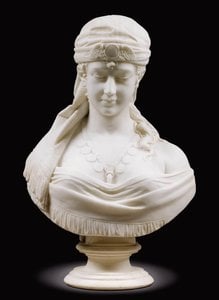
Lapini’s sculptural output is particularly celebrated for its elegance and technical mastery. He specialized in creating marble groupings – often depicting allegorical figures or scenes from classical mythology – that were immensely popular with a wealthy clientele, including members of the aristocracy and royalty who frequently engaged in “The Grand Tour” across Europe. His sculptures weren't merely decorative; they were imbued with a sense of drama and emotional depth. Works like *Sorpresa* (Surprise), depicting a young woman caught mid-disrobing, exemplify his ability to capture fleeting moments of vulnerability and intrigue. Similarly, *Il primo bacio* (The First Kiss) and *Amore del mare* (Love of the Sea) are renowned for their delicate handling of fabric and their evocative portrayal of romantic encounters. His sculptures were frequently exhibited in prestigious venues such as the Esposizione Generale Italiana di Torino in 1884, solidifying his reputation as a leading sculptor of his generation.

Painting: Genre Scenes and Romantic Themes

While primarily recognized for his sculpture, Lapini also produced a notable body of paintings, largely characterized by genre scenes and romantic themes. These works demonstrate a similar sensitivity to light, color, and composition as his sculptures. He frequently depicted intimate moments between lovers, pastoral settings, and scenes of everyday life – all rendered with a remarkable degree of realism and emotional resonance. His paintings often evoke a sense of nostalgia for a bygone era, reflecting the Romantic fascination with the past and the idealized beauty of nature. *At the Seaside* is a prime example, capturing the serenity and romance of a coastal setting with delicate brushstrokes and a subtle use of color.

Legacy and Historical Significance

Cesare Lapini’s legacy extends beyond his individual works; he represents a pivotal moment in Italian art history. He skillfully blended classical tradition with Romantic sensibilities, creating a style that was both timelessly elegant and deeply expressive. His success as a sculptor and painter contributed significantly to the flourishing of the Florentine art market during the late 19th century, attracting wealthy patrons from across Europe and America. His Galleria Lapini, established in Florence, served as a vital hub for the exchange of artistic ideas and the promotion of Italian art abroad. Even today, his works continue to be admired for their technical skill, emotional depth, and enduring appeal – a testament to the lasting impact of this talented Florentine artist. His influence can still be seen in later generations of artists who sought to capture the beauty and drama of human experience through painting and sculpture.