Aly Ben Salem: A Tunisian Visionary Bridging East and West
Aly Ben Salem (1910-2001) stands as a monumental figure in Tunisian art history, recognized not merely for his prolific output but for his unwavering commitment to capturing the essence of Tunisian identity while simultaneously embracing the dynamism of Scandinavian culture. Born in Tunis during French colonial rule, Ben Salem’s artistic journey began under the tutelage of Armand Vergeaud, a celebrated orientalist painter whose influence instilled in him an appreciation for both classical European aesthetics and the rich traditions of his homeland.
Early Education & Influences: Studying at the Institut Supérieur des Beaux-Arts de Tunis provided Ben Salem with invaluable exposure to diverse artistic styles, shaping his formative vision. Vergeaud’s teachings emphasized observation and meticulous technique—skills that would become hallmarks of Ben Salem's distinctive oeuvre. He absorbed the lessons of European masters alongside a deep understanding of Tunisian folklore and craftsmanship, laying the groundwork for his future explorations of color and form.
A Pioneer in Tunisian Modernism: Alongside Hatem El Mekki and Ammar Farhat, Ben Salem spearheaded the emergence of modern Tunisian painting, establishing a bold aesthetic that defied convention. His canvases pulsated with color and energy, reflecting a profound engagement with the complexities of Tunisian society and culture. He rejected the stereotypical depictions favored by European orientalists, opting instead for vibrant representations of daily life—scenes from Tunisian marketplaces, portraits of rural artisans, and landscapes imbued with the spirit of Berber traditions. This stylistic shift signaled a decisive break from artistic conventions and cemented Ben Salem’s position as one of Tunisia's foremost artists.
Scandinavian Connections & Artistic Style: Ben Salem’s artistic sensibilities extended beyond Tunisia's borders, notably finding resonance in Sweden where he exhibited his works and garnered considerable acclaim. This transatlantic exchange fostered experimentation with abstraction and encouraged him to explore themes of liberation and love—concepts central to his artistic philosophy. He embraced the influence of Swedish landscape painters like Sven Hedin, incorporating geometric shapes and muted palettes into his compositions. His art became a testament to intercultural dialogue and a celebration of universal human values.
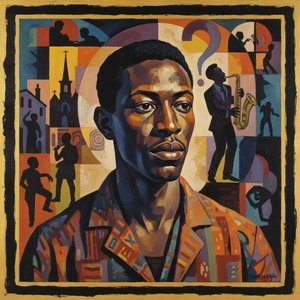
Notable Works & Collections: Ben Salem’s paintings are held in prestigious museums worldwide, including WahooArt.com's impressive collection. Pieces like “Femmes aux fruits” exemplify his masterful use of color and composition, conveying a palpable sense of vitality and emotion. Similarly, "Untitled" showcases his ability to distill complex ideas into striking visual representations—often featuring stylized figures against backgrounds of luminous hues. His meticulous attention to detail and expressive brushwork ensured that each canvas resonated with profound artistic merit.
Legacy & Recognition: Aly Ben Salem’s contribution to Tunisian art is undeniable. He championed Tunisian artistic expression in Sweden, securing his place as the most prominent Tunisian artist residing there. His enduring influence continues to inspire artists today, cementing his legacy as a visionary who dared to forge connections between disparate cultural traditions. He was awarded the Tunisian Government Prize of Fine Arts in 1936, becoming the first Arab Tunisian to receive the distinction, and also won an award by the Ministry of North African Affairs enabling him to spend 1937 to 1940 in the heart of the Parisian art world in Montparnasse. Ben Salem’s distinctive style began to emerge as he came into contact with a wider world of ideas about art and politics. He received numerous distinctions and honours throughout his life, including the rank of Officer of the Swedish Royal Order in 1973, *Le Mérite National des Lettres et Arts de France*in 1976 and is made an officer of the Tunisian Republic in 1980. In 1992 he was promoted by the Tunisian Government to the Grand Officer of Arts and Letters, and receives a medal from the Tunisian Association of Aesthetics and Poetics in 1996. Ben Salem’s collection of Tunisian ethnography is eventually donated to the National Ethnography Museum in Stokholm after his death in 2001 and, on what would have been his 100th birthday in 2010, Tunisia celebrated Aly Ben Salem’s contribution by declaring it the National Day for Culture.