CONSEIL EN ART GRATUIT

x
Commander l'impression Commander l'impressionAcheter l'image haute résolution Acheter l'image haute résolution PartagerPartager
DetailsDetails Ajouter aux favoris Ajouter aux favoris TéléchargerTélécharger Articles similairesArticles similaires X-RayX-Ray DiaporamaDiaporama

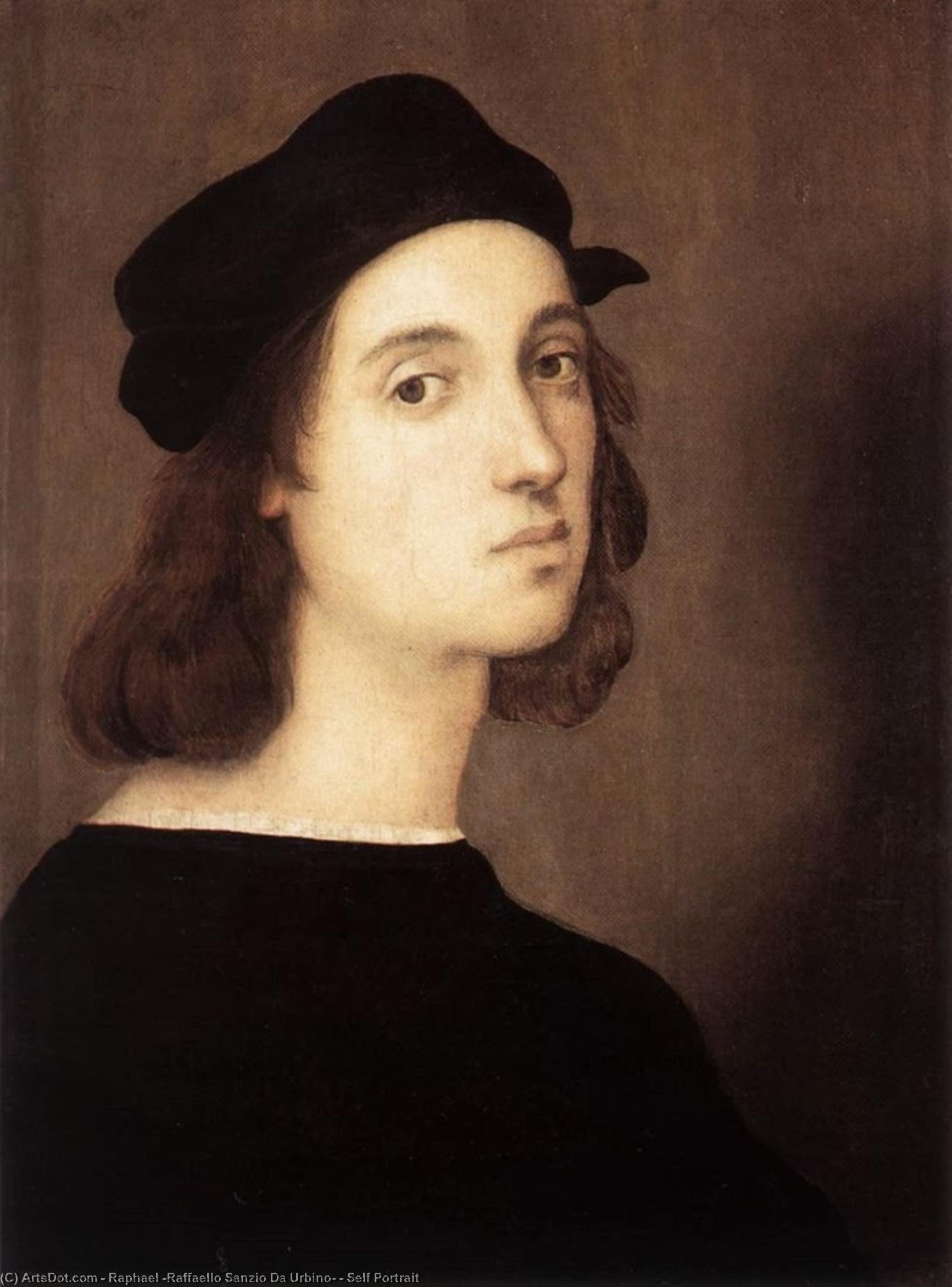
Autoportrait

Admirez l'œuvre emblématique de Raphaël : Autoportrait (1506), une magnifique peinture Renaissance conservée à l'Uffizi, Florence. Découvrez son style et son héritage artistique.

Découvrez Raphaël (1483-1520), le maître de la Renaissance italienne réputé pour son élégance, sa clarté et ses compositions harmonieuses. Explorez les œuvres emblématiques telles que 'La Scuola di Atene', les Madones et les fresques qui définissent la beauté classique. #ArtRenaissance #Italie

Reproduction à l'huile faite à la main

Huile sur toile peinte à la main, avec cadre et dimensions personnalisés, réalisée sur commande par nos artistes.

P118B $10
P118H $10
P118W $10
P438Z $10
P508JH $12
P508YH $12
P805H $10
P805Z $10
P919BZ $10
P919G $10
P919XJ $10
P959ZH $10
P968JZ $12
W106C $8
W218G $10
W218JH $8
W218Y $10
W307PJ $10
W316G $10
W316PJ $8
W316Y $10
W398PJ $8
W4111J $10
W500HY $15
W500JH $15
W692G $12
W849H $8
W940BG $15
W953PJ $8

Standard
custom
CM
INCH

Choisissez parmi nos formats prédéfinis qui respectent les proportions originales de l’œuvre.

largeur
hauteur

Vous pouvez saisir vos propres dimensions pour l'adapter à un cadre ou à un espace spécifique. Si la taille sélectionnée ne correspond pas aux proportions de l'image d'origine, nous recadrerons l'œuvre ou prolongerons la peinture avec des éléments peints à la main supplémentaires. Une maquette numérique vous sera envoyée pour approbation avant le début de la production.
Veuillez noter que l'aperçu à l'écran ne reflète pas le recadrage ou l'extension réels. Seule la maquette montrera fidèlement la composition finale.
Bien que des tailles personnalisées soient disponibles, nous vous recommandons de sélectionner une dimension dans la liste prédéfinie afin de préserver les proportions d'origine.

Exemples de personnalisation : remplacer un visage par la photo du client ; ajouter un animal de compagnie (par exemple, remplacer un chat par un chien) ; inclure un message caché en arrière-plan ; modifier le paysage ou les éléments de l'arrière-plan.
Après la commande, l’équipe WahooArt.com contactera le client par e-mail pour obtenir ses instructions et lui fournira une maquette d’aperçu.

Livraison dans le monde entier () en 3 à 4 semaines au lieu des 5 semaines habituelles. (2 juillet). Aucune concession sur la qualité.

why_choose_icon
Livraison express gratuite dans le monde entier

why_choose_icon
Toile de lin de haute qualité
why_choose_icon
Assurance transport complète
why_choose_icon
Garantie de remboursement des frais de douane
why_choose_icon
Garantie de fidélité des couleurs
why_choose_icon
Politique de retour de 60 jours (uniquement en cas de défaut)
why_choose_icon
Garantie de remboursement à 100%
why_choose_icon
Réduction sur les achats groupés

Prix total

-

reproduction

Autoportrait

Technique de reproduction

Format de reproduction

-

Prix total final

-

En bref

  • Location: Uffizi Gallery
  • Year: 1506
  • Artist: Raphael
  • Medium: Oil on canvas
  • Influences: Leonardo da Vinci
  • Notable elements or techniques: Sfumato, Anatomical precision
  • Subject or theme: Portraiture

Quiz d'art

Chaque question ne comporte qu'une seule bonne réponse.

Question 1:
What is the primary artistic style of Raphael’s ‘Self-Portrait’?
Question 2:
In which museum is Raphael’s ‘Self-Portrait’ currently housed?
Question 3:
Who were Raphael, Leonardo da Vinci and Michelangelo considered to be during the Renaissance?
Question 4:
What medium was used to create Raphael’s ‘Self-Portrait’?
Question 5:
What is a prominent characteristic of Raphael's approach to composition and form?

Description de l'œuvre

Raphael’s Self Portrait: A Window Into Renaissance Genius

Raphael Sanzio da Urbino’s Self Portrait stands as one of the most iconic images of the High Renaissance, capturing not merely a likeness of the artist but also an embodiment of humanist ideals and artistic ambition. Painted in 1506 during his formative years in Florence—a city brimming with intellectual ferment and artistic innovation—this deceptively simple canvas offers profound insights into Raphael’s worldview and technique.

Artist Background: Shaping Renaissance Ideals

Born in Urbino, Italy, Raphael emerged from a privileged artistic milieu fostered by his father Giovanni Santi, who served as court painter to Federico da Montefeltro. This upbringing instilled in him an appreciation for classical learning alongside masterful painting skills—a hallmark of the era’s humanist spirit. Alongside Leonardo da Vinci and Michelangelo, Raphael formed the triumvirate of artistic giants shaping the Renaissance landscape, each pushing boundaries of realism and expressive power.

Painting Description: Precision and Harmony

Executed in oil paint on poplar wood, the Self Portrait exemplifies Raphael's signature style—characterized by meticulous detail combined with effortless grace. The artist’s gaze meets the viewer directly, conveying a quiet confidence and intellectual curiosity. Notice the subtle sfumato technique employed to soften contours and create an ethereal atmosphere, mirroring Leonardo’s influence. The muted palette—primarily browns and ochres—emphasizes form and texture rather than dramatic color contrasts.

Style and Significance: Neoplatonic Human Grandeur

The Self Portrait firmly establishes Raphael within the broader context of Renaissance art, aligning with the humanist preoccupation with human dignity and beauty. Influenced by Plato’s philosophy, Raphael sought to depict man as possessing a divine spark—a concept central to Neoplatonism and profoundly impacting artistic representation. This painting transcends mere portraiture; it is an assertion of intellectual prowess and artistic mastery—a testament to Raphael's enduring legacy.

Historical Context: Florence at the Crossroads

Florence in 1506 was a city undergoing significant transformation, grappling with political instability and religious fervor. Raphael’s decision to relocate there reflected the dynamism of the Renaissance, where artists sought inspiration from classical antiquity while simultaneously exploring new expressive possibilities. The Self Portrait serves as a microcosm of this era—a celebration of human intellect and artistic achievement amidst turbulent times.

  • The Uffizi Gallery houses one of Italy’s most celebrated collections, showcasing masterpieces from the Renaissance period.
  • Raphael's works are admired for their clarity of form, ease of composition, and visual achievement of the Neoplatonic ideal of human grandeur.
  • This Self Portrait is a significant work of art that has had a lasting impact on the world of art, inspiring countless artists and collectors throughout history.

For more information about Raphael’s artistic journey or to explore other exceptional reproductions of his paintings, visit Raphael's page on WahooArt.


Biographie de l'artiste

**Jeunesse et formation**

Raphaël (Raffaello Sanzio da Urbino), un peintre et architecte italien renommé, est né entre le 28 mars et le 6 avril 1483, dans la petite mais culturellement significative ville d'Urbino. Son père, Giovanni Santi, était peintre de cour du duc, lui offrant une exposition précoce au monde artistique. Après le décès de son père à l’âge de onze ans, Raphaël a vraisemblablement géré l’atelier familial, consolidant ainsi sa base artistique.

**Carrière artistique et influences**

Le parcours artistique de Raphaël peut être divisé en trois phases distinctes, chacune marquée par un style unique :
  • Premières années à Umbrie : caractérisée par l'influence de son père et l'ambiance culturelle d’Urbino.
  • Période florentine (1504-1508) : absorbant les traditions artistiques de Florence, qui a considérablement façonné son style.
  • Période romaine (1508-1520) : travaillant pour deux papes et leurs associés, produisant certaines de ses œuvres les plus célèbres, notamment l’école des Athènes dans la stanza della segnatura du Vatican.

**Œuvres notables et héritage**

Certaines des œuvres notables de Raphaël comprennent :

**Influence et héritage**

L'influence de Raphaël sur l'art est profonde, avec son œuvre constituant un pilier du grand Siècle. Son style serein et harmonieux a servi de modèle à la peinture néoclassique, comme le note l’historien d’art Johann Joachim Winckelmann. Malgré l'influence ultérieure du style de Michel-Ange, Raphaël reste l'un des artistes les plus vénérés de l'histoire. Voir le profil de Raphaël sur WahooArt
Raphaël

Raphaël

1483 - 1520 , Italie

En bref

  • Artistes Influents:
    • Giovanni Santi
    • Pietro Perugino
  • Date De Décès: 6 avril 1520
  • Date De Naissance: 28 mars 1483
  • Influences Artistiques: Peinture néoclassique
  • Lieu De Naissance: Urbino, Italie
  • Mouvement Artistique: Haute Renaissance
  • Nationalité: Italienne
  • Nom Complet: Raphaël (Raffaello Sanzio)
  • Œuvres Notables:
    • L'École d'Athènes
    • Madone Esterházy
    • La Transfiguration
    • Les Stanze Vaticanes
Explorez des œuvres d'art classées par thèmes, styles et caractéristiques.