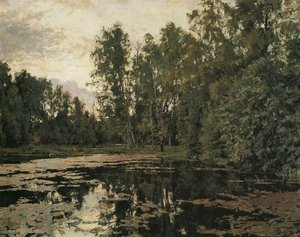
Valentin Serov, 1865 – 1911

Valentin Serov: The 100 Most Famous Paintings

Tüdruk virsikutega (1887) is the most famous painting by Valentin Serov, held by the Tretyakovi kunstgalerii in Moskva. Portrait of Anton Chekhov (1903) and Portrait of Henrietta Girshman (1907) are the next two works the world knows best. From the 289 works of Valentin Serov in our catalogue, here are the 100 that collectors and museum visitors look at most, with the year, the museum and the story of each.

Ranked by our popularity score, which combines the searches, visits and orders for each work. Updated oktoober 2026. Every masterpiece on this page can be ordered as a museum-quality, hand-painted oil reproduction or a fine art print, at the size you choose.

Portrait of Valentin Serov
Valentin Serov · 1865 – 1911
Born · died
1865 – 1911, Peterburi
Movement
Realism
Works in our catalogue
289
Most famous
Tüdruk virsikutega (1887)
Most works at
Armenia Riiklik Kunstimuuseum

Top 10: Valentin Serov's best-known paintings

Tüdruk virsikutega (1887) by Valentin Serov
1

Tüdruk virsikutega

1887 · Õlimaal kangaruumil · Tretyakovi kunstgalerii, Moskva

1887. aasta vaarak, peen Valentin Serovi valgus on kätte saanud, ning ta on oma maalil Tüdruk virsikutega tabanud lapsehoodu lennuka hetke. Maali keskpunktis on üksteist-aastane Vera Mamontova, noor tüdretõs, kelle olemus täidab ruumi sügava rahu ja vaikusega. Ta istub laadaga, tema pilk on kindel ja mõtlik, samal ajal kui pärastlõuna päikeselood on roomi läbi filtreeritud. See portöört ei ole pelgalt visuaalne sarnasus; see on akna avamine spetsiifilisse, privaatsesse pärastlõuna, mis…

Portrait of Anton Chekhov (1903) by Valentin Serov
2

Portrait of Anton Chekhov

1903 · Oil On Canvas

is a work by the Russian artist Valentin Serov. Executed in 1903, the painting presents a focused study of the subject, a man characterized by a prominent beard. The portrait captures a sense of quiet observation, presenting the sitter in a manner that suggests introspection or weariness.

Portrait of Henrietta Girshman (1907) by Valentin Serov
3

Portrait of Henrietta Girshman

1907 · Oil On Canvas

Valentin Serov’s “Portrait of Henrietta Girshman,” painted in 1907, is more than just a likeness; it's a carefully constructed tableau that invites the viewer to step into a private moment. Executed with a masterful blend of realism and impressionistic techniques, the painting captures the quiet intimacy of a woman preparing herself – perhaps for an evening out, or simply lost in contemplation – within the luxurious confines of her dressing…

Winter in Abramtsevo (1886) by Valentin Serov
4

Winter in Abramtsevo

1886 · Oil On Canvas

We are looking at Winter in Abramtsevo, a landscape painting by Valentin Serov. Created in 1886, this work captures a quiet moment within the Russian countryside. The original title of the piece is Зима в Абрамцево. It remains a significant example of Serov's early engagement with the natural world and the specific atmosphere of the Abramtsevo area.

Portrait of Pavel Tretyakov (1899) by Valentin Serov
8

Portrait of Pavel Tretyakov

1899 · Watercolor · Tretyakovi kunstgalerii, Moskva

Valentin Alexandrovich Serov presents Portrait of Pavel Tretyakov through a vertical composition that focuses on the subject from the waist up. Positioned slightly off-center, the middle-aged man is depicted with his arms crossed, a stance that establishes a sense of introspective stillness. The subject is set against a non-descript, washed background, which creates a shallow depth and pushes the figure toward the foreground.

The rest of the Valentin Serov ranking, 11 to 100

A Breton woman. (1901) by Valentin Serov
#23

A Breton woman.

1901 · Rahvusmuuseum Varssavis

is an oil on canvas painting by the Russian artist Valentin Serov. Created in 1901, the work captures a solitary woman in a moment of quietude. The subject…

Order a reproduction →
The Grand Eagle Cup (1910) by Valentin Serov
#76

The Grand Eagle Cup

1910 · Armenia Riiklik Kunstimuuseum

To stand before Valentin Alexandrovich Serov’s The Grand Eagle Cup is to step through a veil and into a moment suspended in time—a quiet tableau vivant imbued with…

Commission a hand-painted copy →
Portrait of Maria Akimova (1908) by Valentin Serov
#77

Portrait of Maria Akimova

1908 · Armenia Riiklik Kunstimuuseum

In the Portrait of Maria Akimova, created in 1908, we are invited into a private, almost whispered moment of repose. The painting presents a captivating study of a…

Order a reproduction →

The subjects Valentin Serov painted most

The four subjects that return most often among these masterpieces, with the finest example of each.

Where to see Valentin Serov's paintings

The 6 museums that hold the most of the paintings on this page.

Museum City Works by Valentin Serov Paintings from this list
Armenia Riiklik Kunstimuuseum, JerevanArmenia Riiklik Kunstimuuseum Jerevan 3 Wife of Kostroma manifacture's director, The Grand Eagle Cup, Portrait of Maria Akimova
Tretyakovi kunstgalerii, MoskvaTretyakovi kunstgalerii Moskva 11 Tüdruk virsikutega, Portrait of Pavel Tretyakov
Rahvusmuuseum Varssavis, VarssaviRahvusmuuseum Varssavis Varssavi 4 Portrait of a woman, A Breton woman.
National Art Museum of The Republic of Belarus, MinskNational Art Museum of The Republic of Belarus Minsk 1 Portrait of O. F. Tomara
Kiev National Picture Gallery, KyivKiev National Picture Gallery Kyiv 1 Elizaveta Alexeevna Krasilshikova
Finnish National Gallery, TallinnFinnish National Gallery Tallinn 1 Still Life

Valentin Serov through the decades: one masterpiece for each

  1. 1870s
    Still Life (1879) by Valentin Serov
    Rank 78 / 100

    Still Life

    Age 5 – 14 · Finnish National Gallery
  2. 1880s
    Tüdruk virsikutega (1887) by Valentin Serov
    #1 of 100

    Tüdruk virsikutega

    Age 15 – 24 · Tretyakovi kunstgalerii

    1887. aasta vaarak, peen Valentin Serovi valgus on kätte saanud, ning ta on oma maalil Tüdruk virsikutega tabanud lapsehoodu lennuka hetke. Maali keskpunktis on üksteist-aastane Vera Mamontova, noor…

  3. 1890s
    Portrait of Pavel Tretyakov (1899) by Valentin Serov
    #8 of 100

    Portrait of Pavel Tretyakov

    Age 25 – 34 · Tretyakovi kunstgalerii

    Valentin Alexandrovich Serov presents Portrait of Pavel Tretyakov through a vertical composition that focuses on the subject from the waist up. Positioned slightly off-center, the middle-aged man is…

  4. 1900s
    Portrait of Anton Chekhov (1903) by Valentin Serov
    No. 2 of 100

    Portrait of Anton Chekhov

    Age 35 – 44

    is a work by the Russian artist Valentin Serov. Executed in 1903, the painting presents a focused study of the subject, a man characterized by a prominent beard.…

  5. 1910s

Valentin Serov's paintings: frequently asked questions

What is the most famous Valentin Serov painting?Show the answer

Tüdruk virsikutega (1887), Tretyakovi kunstgalerii, Moskva. Next come Portrait of Anton Chekhov (1903) and Portrait of Henrietta Girshman (1907).

At what age did Valentin Serov paint Tüdruk virsikutega?Show the answer

22 years old: Tüdruk virsikutega dates from 1887 and Valentin Serov was born in 1865.

Which are the 10 most famous Valentin Serov paintings?Show the answer

Tüdruk virsikutega, Portrait of Anton Chekhov, Portrait of Henrietta Girshman, Winter in Abramtsevo, George the Victorious, Autumn evening. Domotkanovo, Bathing a Horse, Portrait of Pavel Tretyakov, Self-Portrait and Portrait of the Artist Pavel Tchistyakov. The ranking above gives the year and the museum of each.

How many paintings by Valentin Serov are there?Show the answer

Our catalogue lists 289 works by Valentin Serov, dated from 1879 to 1911.

Where can I see the most famous Valentin Serov paintings?Show the answer

Most of them are in Armenia Riiklik Kunstimuuseum (Jerevan), Tretyakovi kunstgalerii (Moskva) and Rahvusmuuseum Varssavis (Varssavi). The table above lists the museums one by one.

In which period did Valentin Serov paint the best-known works?Show the answer

In 1900s: 35 of the 100 works on this page date from then, among them Portrait of Anton Chekhov.

What is the earliest famous Valentin Serov painting, and the latest?Show the answer

The earliest on this page is Still Life (1879), the latest Portrait of N.P. Lamanova (1911).

What subjects did Valentin Serov paint?Show the answer

Famous people (50), Portraits (49) and Men (24), among the 100 works on this page.

What did Valentin Serov paint on, and with what?Show the answer

Oil On Canvas: 5 of the 100 works on this page.

Which movement does Valentin Serov's art belong to?Show the answer

Realism and Impressionism, as the paintings on this page show.

What Valentin Serov paintings does the Armenia Riiklik Kunstimuuseum hold?Show the answer

Wife of Kostroma manifacture's director, The Grand Eagle Cup and Portrait of Maria Akimova are among the 3 works on this page held by the Armenia Riiklik Kunstimuuseum, Jerevan.

Where can I buy a Valentin Serov reproduction?Show the answer

Yes. Every painting on this page can be ordered as a museum-quality, hand-painted oil reproduction or a fine art print, in the size you choose, from the painting's own page.

Valentin Serov: biography

Valentin Serovi Elu ja Kunstiline Pärand

Valentin Aleksandrovič Serov, sündinud 19. jaanuariil 1865. aastal Peterburis, oli määratud saama üheks Venemaa kuulsaimaks portreekunstnikuks. Tema suguvõsa rääkis juba ise oma lugu – helilooja Aleksandr Serovi ja andeka muusiku Valentina Bergmani poeg kasvas üles loovuse keskel. See kasvukeskkond ei olnud pelgalt kokkupuude, vaid see sisendas talle sügava väärtushinnangu harmoonia, vormi ja emotsionaalse väljenduse vastu – omadused, mis mõjutaksid põhjalikult tema kunstilist visiooni. Varajasest east alates julgustati teda oma andeid avastama, saades esialgseid õppetunde Pariisis ja Moskvas realistliku maalikunstniku Ilja Repini juhendamisel. See põhikoolitus rõhutas tähelepanekut, hoolikat detaili ja pühendumust inimkarakteri olemuse tabamisele. Hilisemad õpingud Peterburi Kunstiakadeemias Pavel Tšistjakovi juures lihvisid tema tehnilisi oskusi, kinnistasid ta klassikalistes printsiipides, samal ajal kui arenes välja individuaalsus. Serovi lapsepõlv ei olnud ainult kunstiline; see oli sügavalt seotud Venemaa eliitringidega, pakkudes juurdepääsu maailmale, mida ta hiljem immortaliseeris lõuendil.

Portreekunstniku Õitseng: Varased Teosed ja Mõjud

Serovi varasel perioodil on silmatorkav tundlikkus valguse ja atmosfääri suhtes, mis ilmneb töödes nagu “Tüdruk virsikutega” (1887) ja “Päikesevalguses katitud tüdruk” (1888). Need maalid, nüüd ikoonilised aarded Tretjakovi galeriis, ei olnud pelgalt portreed; need olid hetkede uuringud, tabades lapsepõlve efemeerset ilu. Lahtine pintslimaal ja elav värvipalett vihjasid impressionistlikule tundlikkusele, kuid jäid kindlalt realistliku traditsiooni juurde. Ta ei kujutanud lihtsalt sarnasust, vaid edastas spontaansuse ja sisemise elu tunde. See võime tabada psühholoogilist sügavust sai tema stiili tunnusjooneks. Ta ammutas mõju vanadest meistritest Euroopa muuseumikülastuste ajal, õppides Rembrandti, Velázquez’i ja Veronese’i tehnikaid valguse, varju ja tekstuuri renderdamiseks. Abramtsevo kunstnikukoloonia mängis samuti olulist rolli tema arengus, avades talle uusi ideid ja soodustades koostööd kaaskunstnike nagu Mihhail Vrubel ja Konstantin Koroviniga. Need suhtlused laiendasid tema horisonte ja julgustasid eksperimente. Tema portreed 1890. aastatest – Konstantin Korovin, Issak Levitan ja Nikolai Leskov – demonstreerivad kasvavat kindlustust tema võimes edastada mitte ainult füüsilist välimust, vaid ka oma subjektide intellektuaalset ja emotsionaalset karakterit.

Traditsiooni ja Modernsuse Navigeerimine: Muutuv Stiil

Kui Serov küpses, läbis tema kunstiline stiil peent, kuid olulist transformatsiooni. Kuigi ta jätkas tellimuste saamist Venemaa aristokraatialt – Suurvürst Pavel Aleksandrovitši, S.M. Botkini ja Felix Jussupovi portreed kinnitavad seda –, muutus tema lähenemine nüansirikkamaks ja psühholoogiliselt sügavamaks. Ta liikus puhtasti kirjeldavast sügava karakteri uurimisele, kasutades sageli pidurdunud värvipaletti, mida domineerisid mustad, hallid ja pruunid toonid, et rõhutada meeleolu ja introspektsiooni. Alates 1900. aastast hakkas Serovi töö kajastama kasvavat seotust modernismiga, kuigi ta ei loobunud kunagi täielikult oma pühendumisest realismile. Ta liitus mõjukliku kunstiasetsusega *Mir Iskusstva* (“Kunstimaailm”), mis propageeris uusi kunstilisi suundumusi ja väljakutse traditsioonilistele konventsioonidele. See ühing avas talle Art Nouveau esteetika ja julgustas eksperimente vormi ja kompositsiooniga. Tema portree Maksim Gorkist (1904) on selle nihke näide, esitledes võimsa ja ebatraditsiooniiliselt kirjutaja kujutise rahvamehena. Ta oskuslikult tasakaalustas oma akadeemilist koolitust uute kunstivooludega, luues unikaalse stiili, mis oli nii rafineeritud kui ka emotsionaalselt resonantsne.

Pärand ja Püsiv Mõju

Valentin Serovi enneaegne surm 5. detsembril 1911., 46-aastaselt, katkestas särava karjääri, kuid tema pärand kestab Venemaa ühe olulisima portreekunstnikuna. Ta jättis maha teoseid, mis ei tabanud mitte ainult oma kaasaegsete sarnasust, vaid pakkusid ka sügava ülevaate Vene ühiskonnast ja kultuurist ajaloolisel pöördepunktil. Tema võime ühendada tehniline meisterlikkus psühholoogilise sügavusega eristas teda eakaaslastest ning tema maalid köidavad tänini publikut.
  • Ta sillutas lünga realismi ja modernsuse vahel.
  • Tema portreed pakuvad hindamatuid pilke Venemaa eliidi ellu.
  • Tema mõju on näha järgnevate Vene kunstnike töödes.
Serovi panus ulatub kaugemale tema maalidest; ta oli ka pühendunud õpetaja, kujundades paljude õpilaste kunstilist arengut. Tema pühendumus nii traditsioonile kui ka uuendustele tagas, et tema mõju kajaks kaua pärast tema surma. Serovi tööde uurimine ei ole pelgalt kunsti hindamine; see on teekond Vene ajaloo ja kultuuri südamesse, pakkudes akent elegantsi, intellekti ja emotsionaalse keerukuse maailma.

All 289 works by Valentin Serov →