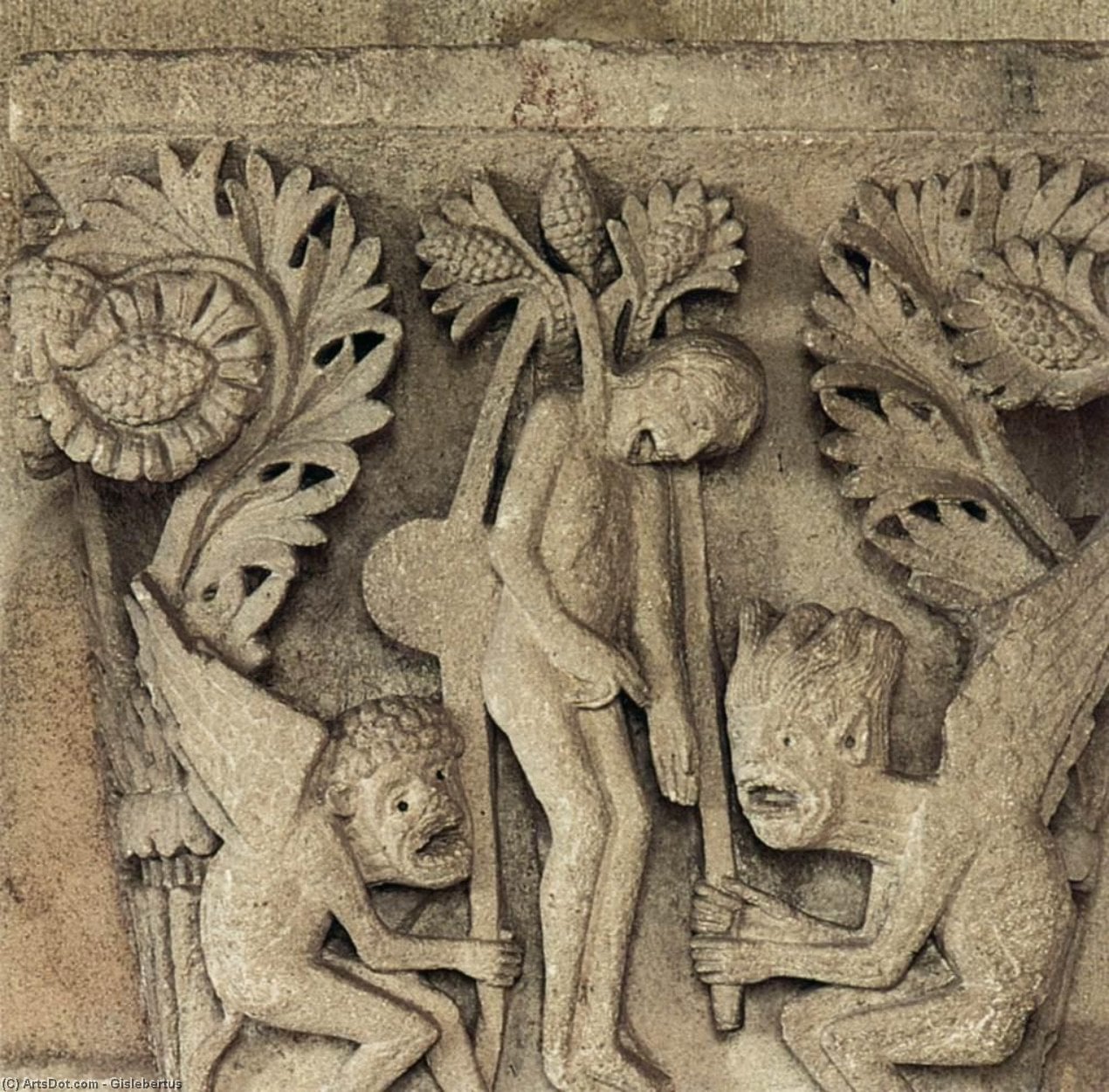
Gislebertus, 1120 – 1135

Gislebertus kõige kuulsam 11 maalist

Teos, mis tegi Gislebertus kuulsaks, on Tympanum of the main portal (detail) (1130); see ripub Autuni Püha Lasari katedraal-is, Autun. Pilgrims (1120) ja Last Judgment (detail) (1130) järgnevad nende järel samas kogumiste ja muuseumi külastajate lemmikes Sellest 11 teosest, mis Gislebertus teosena meie kataloogis on, on need 11 kõige imetlevamat, millist igaüks on esitatud koos kuupäeva, museumi ja oma eripärase tähelepanekuga.

Reiting põhineb meie populaarsusindeksil, mis koondab iga teose otsingud, külastused ja tellimused. Uuendatud oktoober 2026. Iga selle lehekülje meistriteos on tellitav muuseumikvaliteedse käsitsi maalatuna õlireproduktsiona või fine art trükkina vastavalt valitud suurusele.

Gislebertus portree
Gislebertus · 1120 – 1135
Sündinud · surnud
1120 – 1135
Suunata
Romanesque
Meie kataloogis olevad teosed
11
Kõige tuntud
Tympanum of the main portal (detail) (1130)
Enamasti teoseid on
Autuni Püha Lasari katedraal

Gislebertus: kümneks suurimaks teoseks

Tympanum of the main portal (detail) (1130) autor Gislebertus
1

Tympanum of the main portal (detail)

1130 · Stone · Autuni Püha Lasari katedraal, Autun

The Tympanum of the main portal (detail) by Gislebertus emerges from the stone of the Saint-Lazare Cathedral in Autun, France. Created about 1130, this relief captures a profound moment of divine reckoning. It presents a scene from the Last Judgment, where the boundaries between the earthly and the eternal seem to dissolve. The figures move with a frantic, stylized energy that defines the Romanesque style. Every carved line speaks to…

Pilgrims (1120) autor Gislebertus
2

Pilgrims

1120 · Stone · Autuni Püha Lasari katedraal, Autun

In the stone of Saint Lazare Cathedral in Autun, France, the relief titled Pilgrims captures a moment of quiet devotion. Created by the French Romanesque sculptor Gislebertus about 1120, the work depicts figures caught in a singular act of prayer. These travelers move through the heavy, carved medium to find a stillness in the midst of their movement. The stone holds the weight of their supplication.

Last Judgment (detail) (1130) autor Gislebertus
3

Last Judgment (detail)

1130 · Stone · Autuni Püha Lasari katedraal, Autun

The work before us is the Last Judgment (detail) by Gislebertus. This relief carving, created about 1130, offers a focused view of the profound theological drama unfolding within the Saint-Lazare Cathedral in Autun, France. It is situated within the Кафедральний собор Святого Лазаря в Отюні, Autun, where it remains a central element of the cathedral's architectural and spiritual program.

JudasÕue surm (1120) autor Gislebertus
10

JudasÕue surm

1120 · Akrüül võimlusel · Autuni Püha Lasari katedraal, Autun

Gislebertus oli keskiajaloole suur kunstnik, kes jäi oma nime Autungi katedraali päikesepoolsele templimajakirjutusse – Saint Lazare Cathedral’s tympanum – kirja. Tema töö on üks kõige inimlikumaid ja sügavaima tunnetega opereerivaid keskiajalooskulptuuride maailmas. Tema skulptuurid olid mõjutatud Cluny Ülemuse kiriku traditsiooni ning püsisid püüdlema õpetava looõhtu kohta.

Veel Gislebertus meistriteoseid, 11 kuni 11

Teemad, mida Gislebertus kõige rohkem maalis

Neli kõige sagedamini esinenud teemat nende meistriteoste seas, koos iga teema parima näitega.

Kust näha Gislebertus maale

Kümne 2 muuseumi kollektsioonid, mis sisaldavad kõige rohkem sellel lehel esitatud teoseid.

Muuseumid Linn Gislebertus teosid Selle nimekirja maalid
Autuni Püha Lasari katedraal, AutunAutuni Püha Lasari katedraal Autun 9 Tympanum of the main portal (detail), Pilgrims, Last Judgment (detail)
Musée Rolin, AutunMusée Rolin Autun 1 Eve

Gislebertus, aasta-aastaga: olulisemad teosed

Kõik sellel lehel olevad Gislebertus kuupäevaga meistriteosed kuuluvad aastale 1130: siin on need.

  1. 1130
    Tympanum of the main portal (detail) (1130) autor Gislebertus
    #1 / 11

    Tympanum of the main portal (detail)

    Vanus 10 · Autuni Püha Lasari katedraal

    The Tympanum of the main portal (detail) by Gislebertus emerges from the stone of the Saint-Lazare Cathedral in Autun, France. Created about 1130, this relief captures a profound…

  2. 1130
    Last Judgment (detail) (1130) autor Gislebertus
    #3 / 11

    Last Judgment (detail)

    Vanus 10 · Autuni Püha Lasari katedraal

    The work before us is the Last Judgment (detail) by Gislebertus. This relief carving, created about 1130, offers a focused view of the profound theological drama unfolding within…

  3. 1130
  4. 1130
    Eve (1130) autor Gislebertus
    #6 / 11

    Eve

    Vanus 10 · Musée Rolin
  5. 1130
    Last Judgment (1130) autor Gislebertus
    #7 / 11

    Last Judgment

    Vanus 10 · Autuni Püha Lasari katedraal
  6. 1130
    Main portal (1130) autor Gislebertus
    Nr 8 11st

    Main portal

    Vanus 10 · Autuni Püha Lasari katedraal
  7. 1130

Gislebertus meistriteosed: küsimused ja vastused

Millist maali on Gislebertus kõige tuntum?Näita vastus

Tympanum of the main portal (detail) (1130), Autuni Püha Lasari katedraal, Autun. Järgnevad Pilgrims (1120) ja Last Judgment (detail) (1130).

Kui vana Gislebertus oli teose Tympanum of the main portal (detail) maalimise ajal?Näita vastus

10 aastat vanus: teos Tympanum of the main portal (detail) on aastatest 1130 ja kunstnik Gislebertus on sündinud aastal 1120.

Mis on Gislebertus kümneks suuremat maalidust?Näita vastus

Tympanum of the main portal (detail), Pilgrims, Last Judgment (detail), Dream of the Magi, Tympanum of the main portal, Eve, Last Judgment, Main portal, Last Judgment (detail) ja JudasÕue surm. Ülemine reiting näitab iga teose puhul aastat ja muuseumi.

Kui palju teoseid Gislebertus on maalinud?Näita vastus

Meie kataloogist leiate 11 teost kunstnikult Gislebertus.

Mitteks muuseumides võib näha Gislebertus meistriteoseid?Näita vastus

Enamik neist asub Autuni Püha Lasari katedraal (Autun) ja Musée Rolin (Autun). Ülemal olev tabel on loetelnud muuseumid üks-eiralt.

Millal lõi Gislebertus oma meistriteosed?Näita vastus

Ajalisel perioodil 1130: 7 11 sellel lehel olevat teost on sellest ajast, მათhulgas Tympanum of the main portal (detail).

Mis olid Gislebertus lemmikteemad?Näita vastus

Medieval art (3), Autun cathedral (3) ja People (2), 11 teose seas sellel lehel.

Millist tehnikat Gislebertus eelistas?Näita vastus

Stone: 3 11 teosest sellel lehel.

Millises kunstisuunnas Gislebertus kuulub?Näita vastus

nagu sellel lehel olevad maalid näitavad Romanesque.

Kumba Gislebertus meistriteoseid saab näha Autuni Püha Lasari katedraal kogumuses?Näita vastus

Tympanum of the main portal (detail), Pilgrims ja Last Judgment (detail) on üks 9 teosest sellel lehel, mida hoiab Autuni Püha Lasari katedraal, Autun.

Kas saan omada Gislebertus meistriteose reproduktsiooni?Näita vastus

Jah. Iga maali sellel lehel on võimalik tellida muuseumikvaliteedilisena käsitööna valminud õlimaalina või fine art trükkina vastavalt valitud måõduna otse maali oma lehekülalt.

Gislebertus elu

Gislebertus: The Sculptor of Autun Cathedral’s Divine Vision

Gislebertus, a name etched in stone and whispered through the centuries, stands as one of the most remarkable figures of Romanesque sculpture. Specifically celebrated for his profound contribution to Saint Lazare Cathedral in Autym, France, he emerged from the fertile artistic landscape of Burgundy during a period profoundly shaped by religious fervor and burgeoning architectural ambition. Born sometime around 1120, Gislebertus lived through an era where art served as the primary language of the faithful. While biographical details remain scarce, scholars believe he was trained at Cluny Abbey, arguably the epicenter of European monastic art and intellectual life at the time. This formative experience instilled in him a deep understanding of biblical narratives and imbued his work with an unwavering devotion to Christian themes.

His initial role at Cluny involved assisting the master sculptor, cementing his position within a tradition prioritizing didactic storytelling—conveying moral lessons through visual representation. The cathedral’s ambitious project demanded exceptional skill, and Gislebertus quickly established himself as a pivotal talent. Recognizing the importance of providing solace to pilgrims afflicted with leprosy—a prevalent ailment during the 12th century—the Abbey envisioned Saint Lazare as more than just a place of worship; it was intended as a sanctuary for the marginalized. This vision profoundly impacted Gislebertus’ artistic sensibilities, prompting him to create reliefs that resonated with compassion and hope, featuring imagery designed to uplift those facing immense suffering.

Mastery of Emotion and Narrative Relief

The true genius of Gislebertus lies in his ability to translate complex theological concepts into visceral, physical forms. His work at Autun is characterized by a dramatic use of line and shadow that breathes life into the cold stone. In masterpieces such as the Suicide of Judas, created around 1120-30, he captures the raw horror and despair associated with treason. Through the depiction of hanging figures and menacing demonic entities, Gisleberus showcases an exceptional skill in capturing human psychological torment, a hallmark of the Romanesque style that pushes the boundaries of medieval expression.

Beyond the scenes of tragedy, his work also celebrates the spiritual journey of the faithful. In his Pilgrims relief, one can observe a powerful depiction of devotion, where strong lines and dramatic shadows emphasize the physical and spiritual weight of the pilgrimage. This ability to oscillate between the terrifying aspects of divine judgment and the quiet strength of religious perseverance makes his oeuvre uniquely captivating. His sculptures do not merely decorate a building; they act as a window into the medieval soul, inviting the viewer to contemplate the eternal struggle between good and evil.

Legacy and Historical Significance

The artistic development of Gislebertus represents a crucial bridge in the evolution of European art. While his roots are firmly planted in the Romanesque tradition of Cluny, his expressive power and narrative complexity hint at the burgeoning naturalism that would later define Gothic art. His work on the Dream of the Magi further demonstrates this sophisticated approach to storytelling, blending historical reverence with a sense of wonder.

The enduring significance of Gislebertus can be summarized through several key contributions:

  • Narrative Innovation: He transformed architectural elements like tympanums into complex, readable storybooks for the illiterate masses.
  • Emotional Depth: He moved beyond static iconography to introduce psychological depth and human emotion into stone sculpture.
  • Cluniac Influence: He carried the high intellectual and spiritual standards of Cluny Abbey into the public sphere of cathedral architecture.
  • Architectural Integration: His ability to harmonize intricate sculptural detail with the massive, heavy forms of Romanesque architecture remains a pinnacle of medieval craftsmanship.

Today, the works of Gislebertus remain some of the most studied and revered examples of 12th-century art. He remains a master whose hands, though long since returned to dust, continue to speak through the enduring stone of Autun, reminding us of a time when art was the ultimate vessel for the divine.

Kõik 11 teost Gislebertus →