René Marie Castaing: A Voice of German Expressionism
René Marie Castaing, born in 1896 amidst the shifting landscapes of late nineteenth-century France, emerged as a compelling figure within the burgeoning currents of early twentieth-century European art. His life’s trajectory, spanning from his formative years in a rural Provence to his untimely death during the tumultuous years of World War II, reflects not only an individual’s artistic journey but also the broader socio-political transformations that shaped the continent. Castaing's work, characterized by a potent blend of traditional techniques and innovative experimentation, offers a poignant glimpse into a period grappling with modernity, faith, and the anxieties of a rapidly changing world – a legacy now recognized through his evocative portraits and deeply symbolic religious scenes.
Early Life and Artistic Foundations
Castaing’s childhood in southern France instilled within him a profound appreciation for the natural world and the rich tapestry of local traditions. His upbringing, rooted in a region renowned for its artistic heritage – a legacy stretching back to Roman settlements and medieval monastic orders – provided an early exposure to both classical aesthetics and folk art practices. The landscape itself—the sun-drenched hills, the olive groves, and the vibrant hues of the Mediterranean—became a constant source of inspiration, subtly informing his later palette and compositional choices. While formal artistic training was limited in his hometown, Castaing’s innate talent and relentless dedication led him to attend a regional art school, where he honed his skills in drawing and painting, absorbing the principles of realism while simultaneously exploring new avenues for expressive representation. Crucially, his family's values—a blend of discipline, perseverance, and respect for cultural heritage—served as an enduring foundation for his artistic pursuits, shaping his commitment to craft and his understanding of art’s potential as a means of cultural preservation.
Influences and Artistic Development
Castaing's artistic development was profoundly influenced by the diverse movements circulating throughout Europe during this period. The Impressionist legacy—with its emphasis on capturing fleeting moments of light and color—provided a crucial starting point, while Post-Impressionism, particularly the bold experimentation of artists like Van Gogh and Gauguin, ignited his desire to imbue his work with emotional intensity. He was also drawn to the vibrant colors and expressive brushwork of Fauvism, though he ultimately sought to temper this approach with a more considered sense of form and composition. Notably, Castaing’s engagement with Byzantine art—particularly its rich iconography and symbolic language—proved particularly formative, informing his later depictions of religious subjects. The influence of German Expressionism, with its focus on subjective experience and psychological depth, is also evident in the heightened emotionality and dramatic intensity that characterize many of his works.
Key Works and Artistic Style
Castaing’s oeuvre encompasses a diverse range of subject matter, primarily focusing on portraits and religious scenes. His portraits are distinguished by their intimate portrayal of human character—capturing not only physical likeness but also the subtle nuances of emotion and personality. The “Jeanne d'Arc au bûcher” (Joan of Arc at the Stake), perhaps his most celebrated work, exemplifies this talent, depicting a scene of immense pathos and spiritual intensity through a masterful use of color, composition, and symbolic imagery. This painting, rendered in a style reminiscent of medieval frescoes, blends Byzantine influences with German artistic traditions, creating a powerful visual narrative that speaks to themes of faith, sacrifice, and martyrdom. Other notable works include numerous depictions of biblical figures—Mary Magdalene, the Virgin Mary—executed with a remarkable sensitivity to detail and an ability to convey both spiritual reverence and human vulnerability. His use of color is consistently rich and evocative, often employing bold contrasts and luminous hues to create a sense of drama and emotional resonance.
Legacy and Historical Significance
René Marie Castaing’s artistic legacy, though perhaps less widely recognized than some of his contemporaries, remains significant within the context of early twentieth-century German art. His work reflects the anxieties and uncertainties of a period marked by war, social upheaval, and profound cultural change. He stands as a testament to the enduring power of art to grapple with complex themes—faith, morality, and the human condition—while simultaneously pushing the boundaries of artistic expression. The untimely death of Castaing in 1943, during the height of World War II, tragically cut short a promising career, yet his paintings continue to resonate today as poignant reminders of a turbulent era and a testament to the enduring spirit of artistic innovation. His unique synthesis of influences—drawing upon Byzantine iconography, German Expressionism, and traditional European painting techniques—established him as a distinctive voice within the broader landscape of modern art, deserving renewed attention and appreciation for his contributions to the visual arts.
WahooArt.com toimetus
Kunstiteaduse kvartett
Iga küsimuse kohta on ainult üks õige vastus.
Küsimus 1:
René Marie Castaing was primarily associated with which artistic movement?
Küsimus 2:
What is a prominent subject matter found in René Marie Castaing’s paintings?
Küsimus 3:
During which period did René Marie Castaing primarily create her artwork?
Küsimus 4:
Which artistic technique is frequently observed in Castaing’s paintings, contributing to their emotional intensity?
Küsimus 5:
What event significantly impacted René Marie Castaing's life and career during the period she was actively painting?
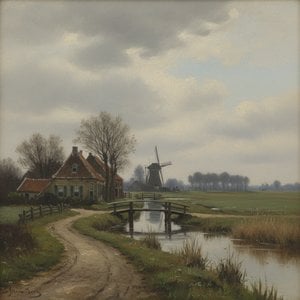
Explore the captivating world of Jacob Henricus Maris, a leading figure of the Dutch Hague School. Discover his atmospheric landscapes, signature brushstrokes & lasting influence on 19th-century art. Learn more at WahooArt.
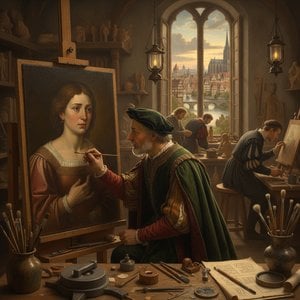
Explore the artistic innovation of the German Renaissance! Discover Dürer, the Danube School & Reformation art. Learn about techniques, materials & lasting influence. Find museum-quality reproductions at WahooArt.
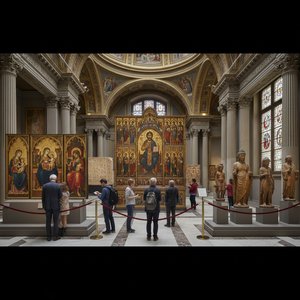
Explore the rich history of religious iconography in art! Discover symbolism, movements & masterpieces from Byzantine to Renaissance periods. Expert insights for collectors and enthusiasts at WahooArt.