Francis Lane (1864–1870): A Shadowy Figure in Victorian Portraiture
Francis Lane remains an artist shrouded in mystery, a name largely absent from mainstream art history books despite producing a remarkable body of work during his brief but impactful period active between 1864 and 1870. Born in Dublin, Ireland, little is known about his personal life beyond documented appearances as an actor – notably Arthur Lane – suggesting a deliberate effort to maintain privacy amidst the burgeoning artistic landscape of Victorian England.
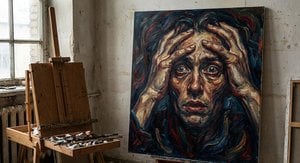
Lane’s artistic output consisted primarily of portraits, predominantly executed in oil on canvas. His style leaned heavily toward Symbolism and Expressionism, anticipating movements that would dominate the subsequent decades. Unlike many of his contemporaries who sought to faithfully reproduce reality, Lane employed a technique characterized by muted palettes, flattened perspectives, and an unsettling preoccupation with psychological states—a stylistic hallmark that aligns closely with the work of artists like Edvard Munch and Paula Modersohn-Becker.
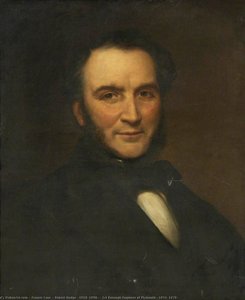
- Notable Paintings: Lane produced approximately 30 portraits during his career, including depictions of prominent figures such as Robert Hodge (1st Borough Engineer of Plymouth) and John Harvey.
- Symbolic Approach: His canvases frequently incorporated symbolic imagery—often unsettling or ambiguous—reflecting a fascination with the darker recesses of human consciousness.
- Influence: Although Lane’s work received limited critical acclaim during his lifetime, it has garnered renewed interest in recent years due to its pioneering exploration of emotional depth and psychological realism. Scholars recognize him as an important precursor to Expressionist painting.
Despite the scarcity of biographical details, Lane's artistic legacy persists through his paintings—particularly “Self Portrait,” which offers a glimpse into the artist’s own introspective gaze. This self-representation exemplifies his stylistic tendencies and underscores his commitment to conveying inner turmoil rather than merely presenting an outward appearance.
Further research into Lane’s life and artistic endeavors continues, fueled by the enduring power of his evocative imagery—a testament to his contribution as a singular voice within the formative years of modern art.