The Art of Resonance: Defining Your Personal Aesthetic
 Navigating Aesthetic Uncertainty: A Curated Approach to Art Selection for Residential Spaces
Navigate aesthetic uncertainty with expert art curation for luxury residences. Discover how to build a meaningful collection, invest confidently & create spaces that resonate. Free consultations available.
The pursuit of beauty within the walls of a home is not merely about acquiring objects; it’s an exploration of self, a distillation of experiences and aspirations into tangible form. To curate art effectively is to embark on a journey of discovery—one that begins with introspection and culminates in spaces imbued with profound personal meaning. Before considering brushstrokes or palettes, one must first define the emotional landscape they wish to cultivate. Are you drawn to the serenity of quiet contemplation, the vibrancy of social engagement, or perhaps the intellectual stimulation of abstract thought? The answers to these questions form the bedrock upon which a truly resonant collection is built.
Historically, art has served as a mirror reflecting societal values and individual beliefs. From the devotional icons of the Renaissance to the rebellious expressions of Modernism, each era’s aesthetic choices reveal its underlying preoccupations. Consider the Dutch Masters—their meticulous realism wasn't simply about technical skill; it was an affirmation of burgeoning mercantile wealth and domestic life. Or contemplate the Impressionists, who sought to capture fleeting moments of light and sensation, rejecting academic conventions in favor of subjective experience. Understanding these historical contexts provides a valuable framework for discerning your own preferences. Do you gravitate towards works that evoke nostalgia, challenge convention, or celebrate the beauty of the natural world? The more deeply you understand your own aesthetic inclinations, the more confidently you can navigate the vast and often overwhelming realm of art.
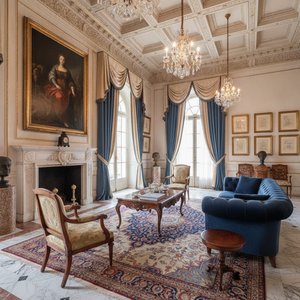
It’s also crucial to assess the existing architecture and interior design elements of your home. A minimalist space might benefit from a single, impactful abstract piece—a bold statement that commands attention without disrupting the overall sense of calm. Conversely, a more traditional setting could be enhanced by landscapes or portraits that complement its classic proportions and ornate details. The goal is not to match perfectly but rather to create a harmonious dialogue between art and environment.
Color & Composition: Harmonizing Artwork with Interior Spaces
The interplay of color is arguably the most potent tool in an interior designer’s arsenal, and its application within art selection demands careful consideration. Color isn't merely a visual element; it’s a powerful psychological force capable of evoking specific emotions and influencing our perception of space. A monochromatic palette—variations on a single hue—can create a sense of serenity and sophistication, while contrasting colors inject dynamism and excitement. However, achieving balance is paramount.
Consider the undertones of your walls and furnishings when choosing artwork. Warm-toned rooms pair beautifully with earthy hues like ochre, terracotta, and gold, creating a cozy and inviting atmosphere. Cool-toned spaces, on the other hand, benefit from blues, greens, and silvers—colors that evoke tranquility and spaciousness. Don’t shy away from introducing unexpected pops of color through artwork; a single vibrant piece can serve as a focal point, drawing the eye and adding personality to an otherwise neutral room. But remember, these accents should complement rather than clash with the surrounding environment.
Beyond color, composition plays a vital role in creating visual harmony. The arrangement of elements within a painting—the balance between positive and negative space, the use of leading lines, the interplay of shapes and forms—all contribute to its overall impact. A well-composed artwork will not only complement the room’s aesthetic but also enhance its sense of flow and proportion.
Beyond Decoration: The Psychology of Art in Residential Design
 The Curated Interior: Emotional Resonance & Spatial Harmony Through Art Display
Discover how art transforms interiors into emotionally resonant spaces. Expert guidance on curation, bespoke commissions & the psychology of design for luxury homes. Elevate your space with WahooArt.
For centuries, art has been recognized as a powerful catalyst for emotional response. From the religious frescoes that adorned medieval cathedrals to the abstract expressions that challenged societal norms in the 20th century, artwork possesses an innate ability to stir our souls and shape our perceptions. In residential design, this psychological impact is particularly profound.
The choice of subject matter can significantly influence the mood of a space. Landscapes evoke feelings of tranquility and connection with nature, while portraits invite introspection and empathy. Abstract art, often devoid of representational imagery, encourages viewers to engage their imagination and interpret meaning on a personal level. Consider the symbolism inherent in different artistic motifs—flowers representing love and beauty, birds symbolizing freedom and hope, trees embodying strength and resilience. These subtle cues can add layers of depth and resonance to your interiors.
The very act of viewing art activates multiple areas of the brain, stimulating creativity, reducing stress, and fostering a sense of well-being. Selecting artwork that aligns with your personal values and aspirations can transform your home into a sanctuary—a space where you feel inspired, comforted, and truly at peace. A carefully chosen piece isn’t simply an aesthetic addition; it's an investment in your emotional health.
Investing in Emotion: Building a Meaningful and Valuable Collection
While personal enjoyment should always be the primary driver of art selection, it’s also prudent to consider its potential as a financial asset. Building a valuable collection requires research, discernment, and a long-term perspective. Begin by exploring emerging artists whose work resonates with your taste and budget. Attend gallery openings, art fairs, and online auctions to gain insights into current market trends.
Provenance—the history of ownership—can significantly impact an artwork’s value. Pieces with documented provenance are often more desirable to collectors, as they offer a sense of authenticity and historical context. Consult with art advisors or appraisers for expert guidance on assessing the quality and potential appreciation of different works. Diversifying your collection by investing in a range of artists and styles can mitigate risk and enhance long-term returns.
Remember, patience is key. Art investment isn’t about quick profits; it's about acquiring pieces that you genuinely love and believe will appreciate over time. Documenting your purchases—receipts, appraisals, provenance information—is essential for insurance purposes and future resale value.
The Dynamic Gallery: Rotating Collections for Ever-Evolving Interiors
 The Seasonal Canvas: A Curatorial Approach to Dynamic Interior Design Through Rotating Art Collections
Elevate your space with strategic art rotation! Discover expert tips for curated collections, seasonal decor & preserving your investment. Transform your home into a dynamic gallery.
One of the most effective ways to revitalize a space and prevent visual fatigue is to rotate your art collection periodically. This dynamic approach keeps interiors fresh and engaging, allowing you to showcase different pieces from your holdings and explore new aesthetic possibilities.
Seasonal changes offer an ideal opportunity for rotation. Lighter, brighter works are well-suited for spring and summer, evoking a sense of optimism and energy. Warmer, richer tones complement autumn and winter, creating a cozy and inviting atmosphere. Consider the changing light conditions throughout the year—adjust the placement of artwork accordingly to maximize its impact.
Rotating art also allows you to experiment with different groupings and arrangements, discovering new focal points and enhancing the overall flow of your space. Store unused artwork carefully in a climate-controlled environment to prevent damage. This practice not only keeps your interiors visually stimulating but also encourages a deeper appreciation for your collection.
Curating with Experts: Collaborating with Designers & Galleries
Navigating the art world can be daunting, particularly for those unfamiliar with its intricacies. Collaborating with interior designers and galleries offers invaluable expertise and streamlines the selection process. Interior designers possess a keen understanding of spatial harmony, color theory, and lighting—skills that are essential for creating cohesive and aesthetically pleasing environments.
Designers often have access to exclusive collections and emerging artists, providing you with opportunities to discover unique pieces that align with your taste and budget. They can also manage the logistics of procurement, framing, and installation, ensuring a seamless experience from start to finish. Galleries, on the other hand, offer specialized knowledge of specific artistic movements and individual artists.
Clear communication is paramount when working with professionals—share your preferences, budget, and desired emotional impact. A collaborative approach ensures that the artwork seamlessly integrates into your overall design scheme, transforming your home into a reflection of your personal style and aspirations. At WahooArt.com, we offer personalized consultations to help you navigate these choices, providing expert guidance on selecting pieces that resonate with your space and vision. Explore our extensive collection of hand-painted reproductions and museum-quality prints—and embark on a journey of artistic discovery today.