

Muuseumikvaliteediga giclée- või kangasprint kiire tootmisega ja paindlikud viimistlusvõimalused. ( Osta käsitsi maalatud teos Lülita digitaalse pildi juurde)





























Vali meie eelmääratud suurused, mis vastavad teose algupärastele proportsioonidele.

Sisestage vajalik laius ja kõrgus, et see sobiks teie raamile või seinale. Trükki saab ainult lõigata, seda ei saa kunagi pildist suuremaks teha, seega ka erineva mustega suurus kaotab osa pildist. Enne trükkimist saadame teile kinnitamiseks digitaalse näidisprojektsiooni. Sellel lehel näidatud pilt ei kujuta reaalset lõiget — seda näitab ainult näidisprojektsioon.
Ülemaailmne tarne () 2 nädala jooksul, tavalise 4/5 nädala asemel. (21 november)
Window
Reproduktsiooni suurus
Tegijateõiguse osas on teos "Window" kuuluv klassifikatsiooni alla: avalikus õiguses – selle autoriõigud onหมดunud.
Teose "Window" teemad on stained_glass, medieval_art, siena, martini, religious_imagery, italian_painting, figurative_composition.
Teost "Window" on soovitatav kasutada Accent jaoks ning selleks soovitellav ruum on Living Room.

Siena linnas, Itaalias, umbes aastal 1284 sündinud Simone Martini elas elu, mis peegeldas oma ajastu pidevalt muutuvaid laineid. Tuntud ka nimega Simone di Martino, oli ta keskne tegelane varajase Itaalia maalisidunduse arenduses. Tema jalajälgi kunstimaailmas tuntus nii Toskaani südames kui ka Prantsuse paavialal, tähistades teda mehena, kelle mõju ulatus kaugele tema sünnupaigast. Ta oli kunstnik, kes mõistis oma aja keelt, liigudes läbi Euroopa religioossete ja civiilkeskuste kindla ja sihtriktud käega.
Tema identiteet oli sügavalt seotud Siena linnaga, mis oli kaubanduse ja sügava pühenduse koht. See keskkond aitas kujundada inimest, kes suutis navigeerida nii kiriku pühade nõuannete kui ka kuninglikud koolitused sofistikast maitsega. Ta ei olnud isoleeritud kunstnik, kes töötas üksikasutus, vaid tema elu oli sisse sõitunud XIV ajastu sotsiaalse ja intellektuaalse kudusse. Tema kontaktid ulatusid isegi kuulsama luuletaja Petrarchini, mis viitab elule, mis on veetud ajastu mõtlejate ja juhtide ringis.
Tema elu ulatust saab mõista läbi erinevate linnade, kus ta oma jälje lõi, sealhulgas:
Simone Martini sündis umbes aastal 1284 Sienas, Itaalias, linnas, kus kunst oli nii usku kui ka kodulise uhkust väljendav keel. Kuigi tema lapsepõlve täpne ajalugu on aja virvendi all veetunud, näib, et tema tee maali kunstivälja juhtis suunata meistrite käsi. On tõenäoliselt, et ta oli Sienas juhtinud kunstnik Duccio di Buoninsegna Duccio di Buoninsegna õpilane, kelle mõju aitas kujundada selle noore mehe algseid kunstilisi mõistmusi, kes lõpuks määras uudest Sienese stiili.
Pereühendused mängisid tema elus ja professionaalsel ringkonnas olulist rolli. Ta oli Donato vend ning tema sotsiaalsed ja kunstilised sidemed tugevnesid veelgi läbi abielu. Aastal 1324 võidis ta Memmo di Filippuccio Memmo di Filippuccio tütreve Giovannaga. See liit tõi ta sisse lootevates loovate inimeste võrgustikku, kuna tema manna oli kunstnik Lippo Memmi Lippo Memmi. Need suhted pakkusid tõenäoliselt rohkem kui lihtsalt selgitoru kaaslaskonnalt; need pakkusid ühist tehnikkeeldet ja koostöölise vaimu, mis iseloomustas suurt osa Sienese kunstilist tegevusest seda aegu.
Kuna jõudis 1315. aasta, oli Simone Martini juba oma tugevamaid jälgi pärlinud Sienas toimunud väärikas linnaelu. Just sel aastal freskoonitas ta Palazzo Publiccon, linna valitsuse seatmekohas asuvas hoones, Maestà freskot. See loominguline saavutus tõi ta Sienese avaliku elu sügma, töötades saalidest, kus linna juhtide kohtumised stattusid. Tema mõju piirkonnas kasvas pidevalt, liikudes linnast selle ümbrivates territooriumides ning luues maine, mis viis ta varsti kaugele Sienese linnamüürite taga.
Järgnev a decade oli tema käed pidevalt rakendatud erinevate tellimuste täitmises. 1319. aastal valmis ta Pisas Püha Katariina polüptüük. Tema karjäär edasinegi laienes, ulatudes teistesse Toskaani linnadesse, sealhulgas Orvietosse, kus ta oli aktiivne 1320. aastal. Need aastad olid pideva liikumise ja rahalduse ajastu, mil ta kohandas oma loovuse linna ja maastiku erinevate religioossete ja siviliste toetajate vajadustele.
Tunded, mida ta sel perioodil lõppesid, peegeldasid üha suuremat armooni tema patroonide spetsiifiliste nõudlustega. Umbes 1324. aastal pidi ta looma püha Agostino Novello altarit. Tema elu sel faasil määrkas pidev reisamine ja loomingu rütm; ta liikus läbi Toskaani mägede ja andlaste, jättes oma jälje igas kohas, kus tema värvilised pinnad dokumenteerisid tema kohalolu piirkonnas.
Simone Martini karjääri kujendas Itaalia ja Prantsuse vahel tosinud võimukesksuste pidev liikumine. Tema varajases kabinetis töötas ta tihedalt koostöös Sienas tegutseva üheksa regendi valitsusega, pärandades Palazzo Publiccon hallid riikliku suuremnõuniku ja linna elu südamena. See kogemus andis tugevad juured tema kasvavale mainele, ning ajas laienes tema kunstiline mõju ka kuninglikud õõtes, nagu näitas 1317. aastal Neaplis Anžu maja poolt esitatud tellimus. Need varajased rollid võimaldasid tal liikuda pühiku ja poliitika vahel, leidides tööd, mis nõudisid nii vaimulikku sügavust kui ka õõteslikku elegantsi.
Tema mainus elegantsi kunstnikuna viis ta lõpuks Euroopa pühima meelelahutusel ja toetajate kõrgelimtele tasemetele. 1336. aastal võttis ta vastu suurepärase tellimuse paavus Benedict XII poolt. See ametikoht viis ta Avignoni, kus talle määrati ülesanne luua freskoosid Paavili Palatsisse. Elades paavialuse õõte südamel, liikus ta intellektuaalses ringkonas, kuhu kuulus ka kuulus luuletaja Petrarch. Tema elu sel perioodil oli tähistatud üleminekuga Toskaana kohalikest traditsioonidest Prantsuse õõte sofistikastele ja rahvusvahelistele maitsele.
Simone Martini töötas peenelt tundlikul sensitiivsusega, eelistades elegantsust ja sulavust Florentine kunstile omavatele rasketele, monumentaalsetele vormidele. Ta oli elegantsi arhitekt, keskendudes sellele, kuidas joon võib liival pinda voolata, tekitades liikumise tunde. Tema kompositsioonid sisaldasid sageli pikunenäos figure ja pehmeid, dekoratiivseid detaile, mis andisid tema töödele õiglase hovilaadse rafinöödsuse. Seda esteetikat mõjutas Prantsuse stiili saabumine läbi Via Francigenaga, eriti käsikirjade iluminatsioonide keerukad mustrid ja eluva tekstuurid, mida nähti eluvaos. Ta ei lihtsalt omastanud neid võõrasid stiile, vaid segas need Siena traditsioonidega, luues visuaalse keele, mis tundus nii sofisteeritud kui ka sügavalt vaimne.
Olgukusest ja värvide luminöösusest saavutamiseks tugus Martini temperatühte. Ta kasutas pigmentide sidjana munalõike, meetod, mis võimaldas täpset ja peenet pintletöötlust ning püsivat selgust. See tehniline täpsus oli vältimatu tema eelistatud keerukatele ornamentikael. Tema maaliduses kasutati valguse ja värvi vahelist koosmängu emotsioonide edendamiseks läbi peenete muutuste asvus ja žestides, rather kui läbi dramaatilise suuruse. Tema võime tasakaalustada neid dekoratiivseid elemente narratiivse selgusega võimaldas tal kujutada keerukaid religioosne koosteid vaikse, poeetilise intensiivsusega.
Martini käed olid pidevalt tööl tema rännakute ajal, jättes endast jälgi teosed, mis peegeldavad tema mecenaatide ning tellijate muutuvaid vajadusi. aastal 1317 töötas ta Püha Louis Toulouse'i altaril, teoses, mis kujutab pühikut koos tema venna, Robert Anjou'ga. See teos, mis asub tänapäevas Neapoli Museo Nazionale di Capodimontes, tabab suurepäraselt perereliseid ja vaimseid sidemeid. Tema võime hallata keerulisi narratiive oli ilmselt nähtav ka aastal 1319 valminud Püha Alexandra Catherine'i polüptüchikon
Tema maine kasvades suurenesid ka tema motööde ulatus ja intiivsus. Aastal 1333 maalis ta Teatise Püha Margaretiga ja Püha Ansanusega, teose, mis on täna Firences Galleria degli Uffizi galeriis. See maal näitab tema oskust ühendada süjev vaimne pühendumus ja õiglase hoideline elegants. Isegi oma elulähemal ahelal jäi tema pintsel täigundamatuks. Aastal 1342 valmis Kristus pühkodes tempel, teos, mis on säilitatud Liverpooli Walker Art Gallerys.
Simone Martini elu viimased aastad olid tähistatud märkimisvaalse geograafilise ja sotsiaalse ringkonna muutusega. Umbes aastal 1334 või 1335 jäilitas ta tuttavad Toskaani maastikud ning siinidas Avignoni, Prantsusmaasse. See üleminek viis ta Euroopa võimukesimasse keskusesse, kus ta töötas tihedalt koostöös Paavli hoviga. Avignoni asuminya võimaldas tal liikuda kõrgel intellektuaalsel tasemel, sõlmides laia laia sõprust humanisti poeedi Petrarchiga. See sügav seos visuaalkunstide ja selleaegse õppiva humanismi vahel oli tema Prantsusmaas viibimise üks määravam omadusi.
Avignoni asudes peegeldas tema kunst jätkuvalt tema patroonide peeneid ja sofisteeritud maitseid. Mõned ajaloolised kirjutised viitavad, et ta võib olla maalinud isegi Laura de Novesi portreedi — naise, kes oli Petrarchi eluahegemad inspiratsioonipõud — kuigi see konkreetne teos on ajaloo kummamustuse alla kadunud. Tema aeg Prantsuse hovus oli kõrgel tasemel tegevuse periood, mis oli täielikult eemal tema varajastest õppeaastadest ja provintsiaalsest elust. Ta jäi aktiivseks selles kosmopolitaalses keskkonnas kuni oma surma jälgumiseni 1344. aasta juulis Avignonis, jättes jätkud kunstiteoseid, mis olid juba alguse pannud sulatama kokku erinevaid Euroopa kunstilisi traditsioone.
Simone Martini aitas moodustada sild, mis ühendas keskaegase maailma ja Renessansi. Tema kohalolu kunstimaailmas märkas uut suunda – liikumist eemale minekuga mineviku rasketest ja monumentaalsetest vormidest, suunas see uuepärase vaatamise poole. Viies Sienese stiili üle mägede, aitas ta Sienese maaliart detail ja elegantsel esteetikal juurduda uutes mullides, jõuenedes Prantsuse territooridele. See liikumine aitkas levendada rahvusvahelist gootika stiili üle kogu Euroopa, mõjutades viisi, kuidas kontinentide üle asuvad kunstnikud lähenesid joonele ja dekoratiivsusele.
Tema loomingul oli jõud, mis ulatus kaugele tema oma eluajast. Kunstnikute põlvkond jälgis tema avatud tee, omades endavõlga tema käest pärineva graatsioosi ja peen detail. Tema võime ühendada vaimunduslik sügavus teatud õiglase voolavusega ning õukestlikuga jättis permatu jälje Euroopa maaliati kujundamisele. Isegi kui stiilid muutusid, jäi tema viis kasutada värvi ja siluetti viitavaks punktiks neile, kes tema järel tulid.
Simone Martini kunstiliste nähtavuste kohtades kohtamiseks tuleb rötka läbi Itaalia maastike ja sellest kaugemale. Sienas, Palazzo Publicbos, säilitatakse Maestà freskot, mis on täitnud oma kohta aastast 1315. Selle esinemine linna valitsuse seatus annab väärtusliku mõistmise selle mahukuse ja avaliku tähtsuse kohta, mida tema maalidid kunagi kandid. Neapolis hoiab Museo di Capodimonte Püha Louis Tokuuslase altarit, teost, mis peegeldab kunstniku võimet vormida keerulisi religioosne narratiive värvi ja vormi abil.
Tema kunstiline mõju ulatus kaugele beyond Toskaana piiridest. Firenzes, Galleria degli Uffizis, asub 1333. aastal loodud Annunciation with St. Margaret and St. Ansanus, mis pakub vaate tema peenetele ja voolavatele joontele, mis määrkasid tema stiili tema aktiivse loovuse tippperiodil. Neist, kes rändavad Ühendkuninglikku, majutab Liverpooli Walker Art Gallery Christ Discovered in the Temple teost aastast 1342, mis demonstreerib tema täiuslikkust isegi tema elulähemal perioodil.

1284 - 1344 , Itaalia
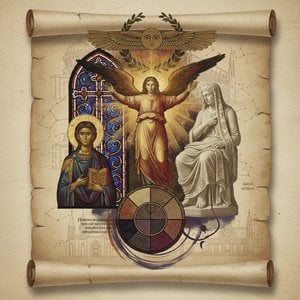
Explore the profound impact of spiritual themes in fine art. From Renaissance iconography to Baroque drama, discover how sacred symbolism and divine visions have shaped art history through a scholarly and reflective lens.

Journey through the divine elegance of Duccio di Buoninsegna. Explore 25 iconic Sienese masterpieces, from the Maestà to the Rucellai Madonna. Find inspiration for museum-quality art reproductions and timeless decor. Discover all masterpieces on WahooArt.com.
 Eelvaade
 Saada
Saada Jaga
Jaga
 Teave teose kohta
 Juhend

 Laadi alla
 Sarnased teosed
 Röntgenuuring
 Slaidietendus
 KÜSIMUSED JA VASTUSID
 Statistika

 Loe lähemalt









 Klaasivalik on saadaval ainult kuni 110 cm suuruses teostes


