


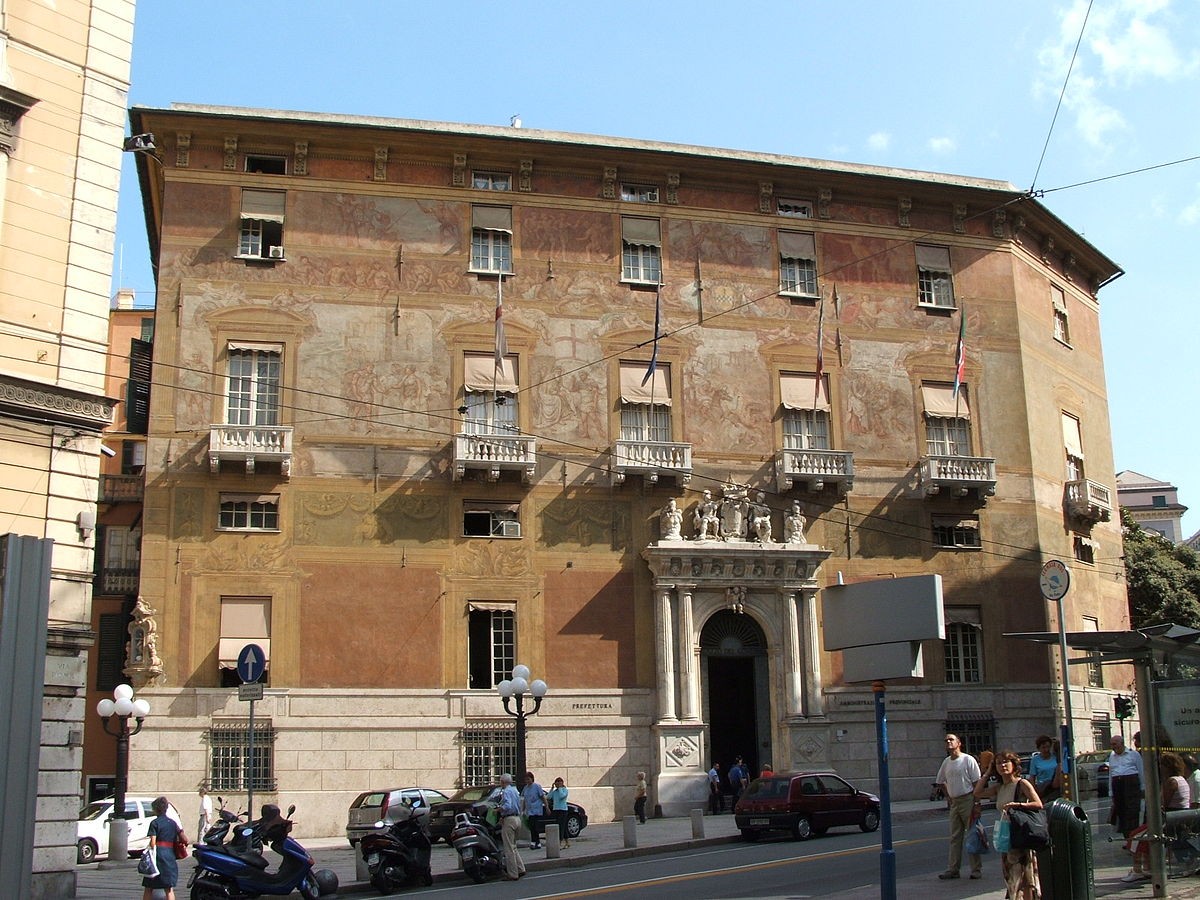
Un Vistazo a la Aristocracia Genovesa
Enclavado en el vibrante corazón de Génova, Italia, el Palazzo d’Andrea Spinola se erige como un testimonio impresionante de la opulenta grandeza de los siglos XVI y XVII, una época definida por una innovación artística sin parangón y una ambición aristocrática desbordante. Como sitio designado Patrimonio de la Humanidad por la UNESCO, esta maravilla arquitectónica ofrece un viaje inmersivo al alma misma de la sociedad genovesa y su perdurable legado cultural. Cruzar sus puertas es adentrarse en un mundo donde la arquitectura y la identidad estaban inextricablemente ligadas, reflejando una era en la que la élite de la ciudad utilizaba el esplendor como un lenguaje de poder y prestigio.
El palacio mismo encarna el espíritu del diseño renacentista, hábilmente entrelazado con los dramáticos floreos de la era barroca. Sus orígenes se remontan a 1568, emergiendo del revolucionario Sistema Rolli . Esta ingeniosa iniciativa transformó a Génova en el principal escaparate europeo del mecenazgo artístico, al catalogar meticulosamente los palacios privados para albergar a los invitados más distinguidos de la República. La construcción del Palazzo Spinola fue un audaz experimento de prestigio cultural, diseñado para impresionar y cautivar, asegurando que cada salón y pasillo susurrara relatos de riqueza, diplomacia y refinado gusto.
Obras Maestras de Luz y Sombra
La colección contenida entre estos muros está innegablemente dominada por las monumentales obras maestras de la era barroca, reunidas gracias a la generosidad de maestros legendarios como Peter Paul Rubens y Anthony van Dyck . Estos artistas, reconociendo el exigente apetito de Génova por la grandeza, produjeron lienzos que capturan el profundo dinamismo y la emoción pura característicos del periodo. Los visitantes suelen conmoverse ante el dramático juego de luces y sombras en las narrativas bíblicas y la impactante profundidad psicológica que se encuentra en los retratos de las influyentes familias genovesas. Cada obra de arte está elaborada meticulosamente con un detalle minucioso, infundida con una resonancia simbólica que habla de las virtudes y los linajes de la época.
Más allá del lienzo, el palazzo ofrece una experiencia sensorial a través de su extraordinario conjunto de frescos que adornan paredes y techos. Estas vistas pintadas transportan al observador hacia reinos mitológicos y paisajes alegóricos, donde escenas de la antigüedad clásica se entrelazan con emblemas que representan la nobleza y la virtud. Para el amante del arte o el diseñador de interiores, el palacio brinda una clase magistral de belleza histórica integral; no se trata solo de las pinturas, sino de la forma en que interactúan con mobiliario lujoso, textiles opulentos e intrincadas artes decorativas. Deambular por el Palazzo d’Andrea Spinola es presenciar un panorama completo de la vida aristocrática, donde cada borde dorado y cada nube pintada sirven para conmemorar una edad de oro de la historia genovesa.


