


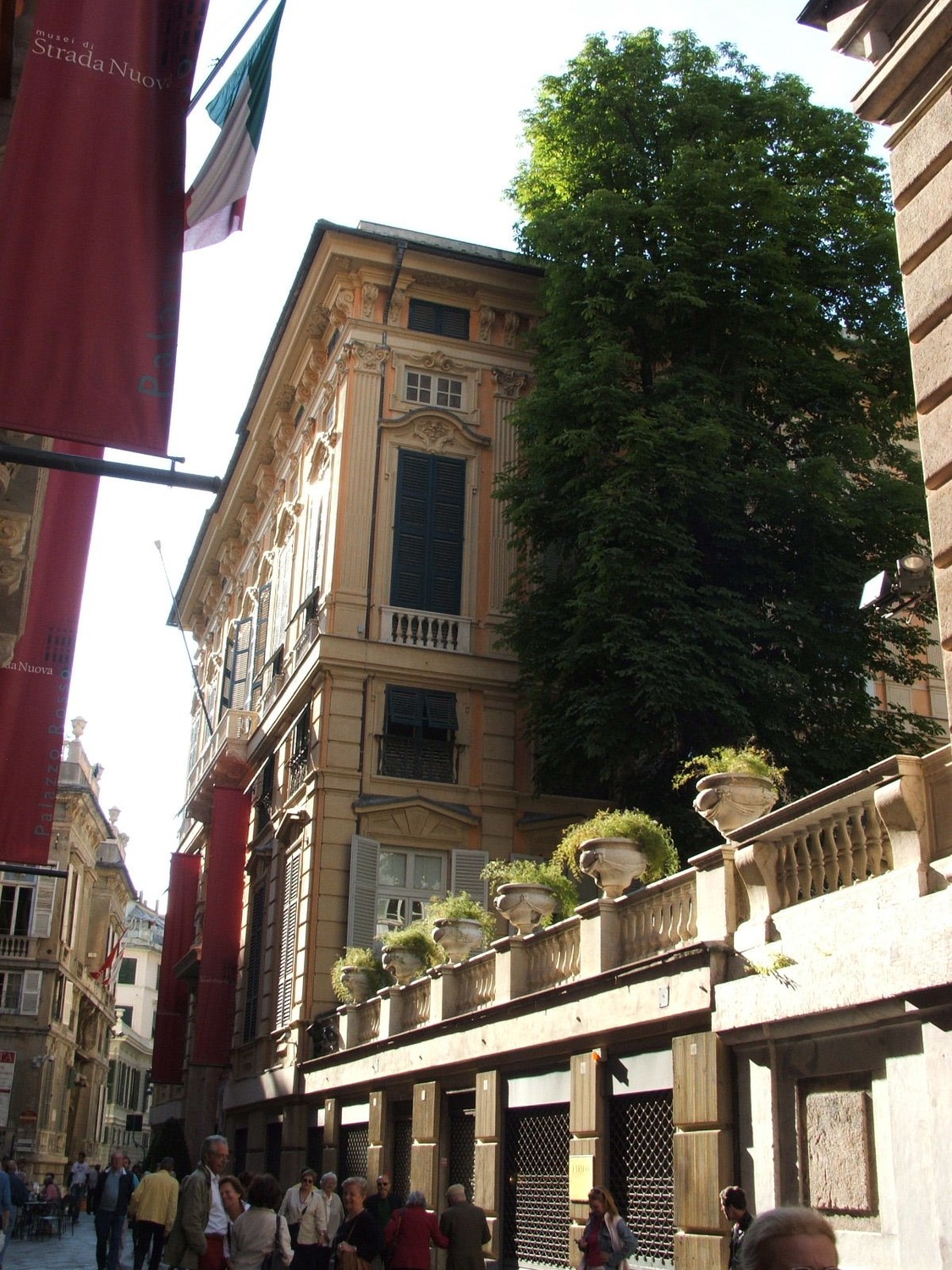
Una joya de Génova: Revelando el esplendor del Palazzo Bianco
Enclavado en el corazón palpitante del centro histórico de Génova, Palazzo Bianco se erige como una encarnación impresionante de la ambición renacentía y el mecenazgo artístico. Más que un simple repositorio de bellas artes, esta magnífica estructura ofrece un viaje inmersivo a través de siglos de historia europea, albergado dentro de un palacio que, por sí mismo, susurra relatos de familias nobles y un floreciente comercio marítimo. Construido entre 1530 y 1540 para Luca Grimaldi, miembro de una de las dinastías más poderosas de Génova, el edificio evolucionó con el tiempo hasta convertirse en una estructura magnífica que refleja los gustos cambiantes de sus sucesivos propietarios, como las familias De Franchi Toso y Durazzo Brignole-Sale. La propia fachada es una composición cautivadora, que alterna entre el cálido rubor de la piedra rosada, el frío gris pizarra y el blanco impoluto del mármol de Carrara, insinuando los profundos tesoros que se custodian tras sus muros.
Cruzar su umbral es similar a entrar en un diálogo vibrante entre diversas tradiciones artísticas. El museo presume de una colección excepcionalmente diversa, entrelazando con maestría a los maestros flamencos junto a célebres artistas italianos y genoveses. Aquí, el dramático claroscuro de las obras de Caravaggio —especialmente su conmovedente Ecce Homo — cautiva al espectador con su cruda intensidad emocional, mientras que, cerca de allí, la energía exuberante de Peter Paul Rubens brota de lienzos como Venus y Marte , ejemplificando el espíritu dinámico del periodo Barroco. Pero el Palazzo Bianco no se centra únicamente en los gigantes internacionales; también defiende el patrimonio artístico de la propia Génova. Las obras de pintores locales como Giovanni Benedetto Castiglione, Domenico Piola y Alessandro Magnasco ofrecen una ventana única a la identidad cultural de la ciudad, revelando una voz artística distinta, moldeada por su atmósfera cosmopolita.
Armonía arquitectónica y legado artístico
El diseño arquitectónico del palacio es tan fascinante como el arte que contiene, ofreciendo una secuencia de entornos interconectados diseñados para maximizar la luz y la perspectiva. Un elegante atrio conduce a una gran escalinata que, a su vez, se abre hacia un patio elevado, creando una sensación de descubrimiento progresivo que evoca la atmósfera de una fastuosa residencia privada. Para el amante del diseño de interiores o de la belleza clásica, las decoraciones de estuco que adornan paredes y techos —particularmente aquellas ejecutadas por Taddeo Cantone y Antonio Maria Muttone— añaden capas de detalles ornamentados que realzan el ambiente opulento del palacio. Esta armonía arquitectónica crea un panorama inigualable de la pintura europea que abarca desde el siglo XII hasta el XVII, convirtiendo cada rincón en una clase magistral de gracia estética.
La historia del Palazzo Bianco es, en última instancia, una de profunda transformación, pasando de ser una residencia familiar privada a un preciado tesoro público. En 1899, Maria Brignole Sale, Duquesa de Gallaira, legó el palacio y su extraordinaria colección al Ayuntamiento de Génova, cumpliendo así su visión de crear un museo cívico que enriqueciera el paisaje cultural de la ciudad. Hoy, como parte de los prestigiosos Museos de la Strada Nuova, el Palazzo Bianco se erige como un Sitio del Patrimonio Mundial de la UNESCO . Permanece como un centro cultural único donde la precisión flamenca se encuentra con la pasión italiana y el ingenio genovés, ofreciando un viaje cautivador por el corazón del patrimonio artístico europeo: una verdadera joya que aguarda ser descubierta.


