
Un Tapiz del Tiempo: Descubriendo el Alma Textil de Oaxaca
En el corazón de Oaxaca de Juárez , donde el aire transporta el aroma de la historia y de las jacarandas en flor, se encuentra un santuario de hilo y color conocido como el Muselıo Textil de Oaxaca . Resguardado dentro del prestigioso Centro Cultural San Pablo, este museo es mucho más que un mero repositorio de telas; es un viaje inmersivo hacia la esencia misma de la identidad oaxaqueña. Cruzar sus puertas es adentrarse en un mundo donde cada urdimbre y cada trama cuentan una historia de resiliencia, adaptación y un profundo sentido artístico. El entorno del museo —una reliquia bellamente preservada del pasado colonial— actúa como un narrador silencioso de los tesoros que alberga, reflejando la manera en que la propia Oaxaca ha florecido al entrelazar las capas de su herencia indígena con la influencia española.
La arquitectura del museo es una obra maestra exquisita por derecho propio, encarnando la grandeza del estilo Barroco Oaxaqueño . La historia del edificio es una saga fascinante de transformación, evolucionando desde lo que fue un huerto de un convento dominico del siglo XVII hasta convertirse en la opulenta Casa Antelo , una mansión de mercader construida por Ángel de Antelo y Bermúdez. Esta antigua propiedad se vio impulsada por el legendario comercio del tinte de la cochinilla, un periodo en el que el brillante carmesí extraído de los insectos trajo una inmensa riqueza a la región. Hoy en día, los visitantes pueden maravillarse con la fachada de piedra de cantera verde y las intrincadas tallas que evocan una era de esplendor colonial. La ubicación del museo dentro de esta mansión restaurada del siglo XVIII proporciona un escenario impresionante, donde las pesadas puertas de madera y los patios bañados por el sol preparan el alma para las vibrantes texturas que aguardan en su interior.
El Hilo Vivo: Arte y Herencia
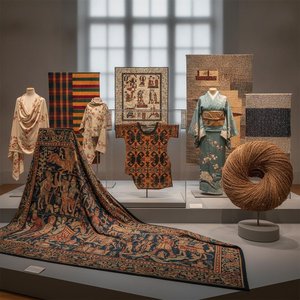
El corazón del museo late dentro de su extraordinaria colección, un vasto tesoro de aproximadamente 7,000 piezas que abarcan milenios. Estos textiles son narrativas visuales, meticulosamente elaboradas por artesanos indígenas utilizando técnicas transmitidas a través de incontables generaciones. La colección está magistralmente curada para fomentar un diálogo dinámico entre lo antiguo y lo contemporáneo; es posible encontrar una prenda ceremonial de hace siglos yuxtapuesta con tejidos experimentales modernos. Para el coleccionista o el diseñador, estas piezas representan la cúspide del arte aplicado, mostrando un dominio de los tintes naturales —extraídos de plantas, minerales e insectos— que produce una paleta de una profundidad inigualable.
Lo que verdaderamente distingue al Museo Textil de Oaxaca es su papel como un núcleo comunitario vivo y palpitante. No se limita a observar la tradición, sino que defiende activamente su supervivencia a través de exhibiciones cautivadoras como el “Encuentro de Textiles Mesoamericanos,” que celebra la continuidad de la artesanía mesoamericana. El museo sirve como un puente vital, vinculando a tejedores rurales de comunidades como Teotitlán del Valle con artistas urbanos y entusiastas del diseño global. Es un destino donde el arte, la historia y el alma están inextricablemente entrelazados, tejidos en cada magnífico hilo.