Un Santuario de la Revolución Científica: El Alma de Frombork
Enclavado en el corazón histórico de Frombork, Polonia, el Museo Nicolás Copérnico se erige como un poderoso testimonio del legado perdurable de un hombre y del cambio sísmico en el conocimiento que él instigó. Más que un simple repositorio de artefactos, este museo es un viaje inmersivo al mundo del Renacible: una época rebosante de fermento intelectual, florecimiento artístico e investigación científica sin precedentes. Recorrer sus pasillos es seguir las huellas del propio Nicolás Copérnico, sentir el peso de sus ideas revolucionarias y apreciar el profundo impacto que tuvieron en nuestra percepción del cosmos. La ubicación del museo está intrínsecamente ligada a su temática; Frombork, una ciudad impregnada de historia medieval, le brindó a Copérnico tanto refugio como inspiración durante gran parte de su vida.
Las piedras mismas del museo parecen susurrar relatos de una época en la que el dogma establecido era desafiado por la observación, la razón y una búsqueda inquebrantable de la verdad. Los visitantes pueden explorar el complejo de la colina de la catedral, incluyendo el antiguo Palacio del Obispo —que hoy constituye el principal espacio expositivo del museo— y ascender a la Torre de Copérnico, donde realizó muchas de sus observaciones astronómicas fundamentales. Esta conexión tangible con el pasado eleva la experiencia más allá de una mera observación pasiva; invita a un profundo sentido de pertenencia y participación en la historia. La arquitectura misma actúa como un protagonista silencioso, con el antiguo Palacio Episcopal ejemplificando la grandeza gótica entrelazada con la ornamentación barroca, mientras que la Torre de Copérnico se mantiene como un testimonio de la destreza de la ingeniería medieval.
Instrumentos Celestiales y Visiones Renacentistas
En su núcleo reside una impresionante variedad de instrumentos astronómicos históricos —lentes meticulosamente tallados, cuadrantes, esferas armilares y globos celestes— que ofrecen una visión fascinante de las herramientas y técnicas empleadas por los primeros astrónimos. Estos no son meros reliquias de una era pasada; son representaciones tangibles del ingenio humano y de la búsqueda incansable por descifrar los misterios del universo. Junto a estos instrumentos, las exhibiciones detallan la vida de Copérnico, su educación y su carrera como canónigo en la Catedral de Frombork, revelándolo como un erudito profundamente comprometido que operaba dentro de un complejo panorama social y político.
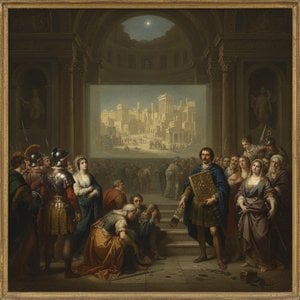
La colección del museo se enriquece aún más con la inclusión de arte renacentista, proporcionando un contexto crucial para comprender la era en la que Copérnico vivió y trabajó. Destacan entre ellos las reproducciones de obras de arte del periodo, siendo las más significativas las conmovedoras pinturas de Jan Matejko que representan a Copérprecio en su torre de Frombork. Estas piezas iluminan la sensibilidad artística de la época —caracterizada por el idealismo, el detalle meticuloso y un énfasis en la emoción humana— y demuestran cómo los avances científicos de Copérnico resonaron dentro del entorno cultural más amplio. La yuxtaposición de instrumentos astronómicos y pinturas renacentistas subraya la ambición del museo de retratar a Copérnico como una figura cuya influencia se extendió mucho más allá del ámbito de la ciencia.
Un Encuentro Inmersivo con el Cosmos
Lo que verdaderamente distingue al Museo Nicolás Copérnico es su dedicación al aprendizaje experiencial, tendiendo un puente entre el registro histórico y el asombro moderno. Una piedra angular de la oferta del museo es su planetario y observatorio, instalaciones que celebran activamente el legado de Copérnico a través de la luz y el movimiento. Los visitantes pueden adentrarse en proyecciones inmersivas que representan fenómenos celestiales, obteniendo una experiencia directa con conceptos que revolucionaron nuestra comprensión del universo. El observatorio permite sesiones guiadas de observación de estrellas, fomentando un aprecio más profundo por la astronomía e inspirando la curiosidad sobre la infinita expansión que nos rodea.
A través de exhibiciones interactivas, programas educativos para niños y recorridos guiados por curadores expertos, el museo asegura que cada visitante se marche con una comprensión más rica de la Revolución Copernicana. Es un lugar donde uno puede conectar con uno de los pensadores más grandes de la humanidad y contemplar la búsqueda continua por entender nuestro lugar en la vasta extensión del cosmos; una búsqueda que comenzó hace siglos en la Colina de la Catedral. Para el amante del arte, el coleccionista o el diseñador que busca inspiración en la intersección entre la ciencia y la belleza, este museo ofrece un vistazo excepcional a un momento en que el valor intelectual confrontó al dogma arraigado y allanó el camino para el mundo moderno.