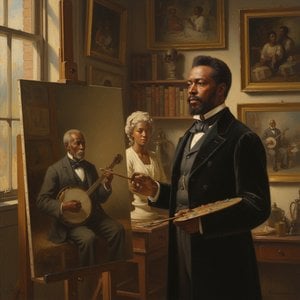
A Beacon of Remembrance: The Museum of African American History in Boston
Boston, a city steeped in revolutionary fervor and intellectual prowess, harbors within its historic landscape a profound testament to the enduring legacy and invaluable contributions of African Americans. The Museum of African American History stands as an indispensable institution dedicated not merely to preserving this rich heritage but also to celebrating its vibrancy—a spirited acknowledgment of resilience, creativity, and unwavering hope. More than simply safeguarding artifacts, it’s a living narrative interwoven into Boston’s very identity, offering visitors an immersive journey through time that resonates deeply with contemporary sensibilities. The museum doesn't merely present history; it actively invites dialogue, fosters understanding, and compels us to confront the complexities inherent in our shared past. Echoes of Abolition and 19th-Century Life The museum’s core strength resides in its multifaceted exploration of African American history, particularly its meticulous investigation into Boston’s pivotal role within the abolitionist movement. Within its thoughtfully designed galleries, visitors encounter remarkable documents—letters penned by courageous activists brimming with determination, broadsides proclaiming impassioned speeches resonating with conviction, and personal items whispering tales of sacrifice and unwavering resolve. These aren't distant relics confined to dusty archives; they are tangible connections to individuals who risked everything for a more equitable world. Beyond abolitionism’s monumental struggle, the museum illuminates the diverse experiences of African Americans during the 19th century—their groundbreaking contributions to arts, politics, business, and community building. This era often relegated to obscurity in mainstream narratives pulsates with innovation, intellectual prowess, and profound faith. The collection of historical photographs is particularly arresting, capturing pivotal moments and intimate portraits that breathe life into these stories with breathtaking clarity – images serving as potent reminders of the humanity underpinning every quest for equality. Architecture as a Vessel of History The museum’s physical structure itself eloquently communicates its mission—a harmonious blend of modern sensibilities and architectural traditions honoring Boston’s heritage. Spacious galleries bathed in natural light provide an optimal viewing experience, allowing visitors to fully absorb the exhibits without feeling overwhelmed; this deliberate design underscores the institution’s commitment to both preservation and forward progress. The building’s façade incorporates elements reminiscent of Victorian Boston, reflecting the museum’s connection to its surroundings and subtly symbolizing the enduring spirit of remembrance. Careful consideration has been given to acoustics and spatial arrangement, creating an environment conducive to contemplation and scholarly engagement—a space designed not just for observation but also for fostering meaningful connections between past and present. Notable Exhibitions and Artistic Treasures Recent exhibitions have cemented the Museum’s reputation as a leader in African American art scholarship. “Voices of Resilience,” featuring works by artists from across the diaspora, powerfully conveyed themes of identity, struggle, and triumph—drawing considerable acclaim from critics and visitors alike. Furthermore, "Boston's Legacy: Art & Activism," showcased pieces reflecting Boston’s involvement in civil rights movements throughout the 20th century, prompting stimulating discussions about artistic expression as a tool for social change. The museum’s permanent collection boasts masterpieces spanning centuries—from early colonial portraits documenting African American presence to Impressionist landscapes capturing scenes of Black communities—demonstrating the breadth and depth of artistic achievement within this community. Among its treasures are “The Dancing Lesson” by Thomas Eakins, a poignant depiction of Victorian life, and “Head of a Negro” by John Singleton Copley, exemplifying realism and dignity. A Unique Perspective on American History What distinguishes the Museum of African American History is its unwavering dedication to uncovering and amplifying narratives often marginalized in broader historical accounts—stories originating within Boston’s vibrant Black community. By centering these voices, the museum offers a singular perspective on American history—a lens through which we can appreciate the multifaceted tapestry of experiences that shaped our nation's identity. The Museum extends its influence beyond its physical walls through collaborative partnerships with local schools and organizations, ensuring that these narratives reach younger generations and inspire continued dialogue within the city. Its mission is to cultivate empathy, promote understanding, and empower visitors to engage critically with history—a transformative experience designed to enrich lives and foster a deeper appreciation for cultural diversity.- Website: https://www.maah.org/