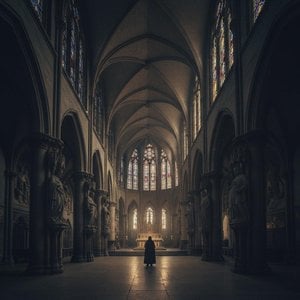
Un Santuario de Piedra y Espíritu: El Alma de Friburgo
Adentrarse en el Augustinermuseum es cruzar un umbral entre el mundo temporal y un pasado profundo y espiritual. Resguardado entre los muros sagrados de lo que fue un monasterio agustiniano en Friburgo de Brisgovia, Alemania , este museo se erige como un recipiente asombroso del patrimonio artístico y religioso de la región. El aire dentro de sus galerías parece sostener el peso de los siglos, una sensación amplificada por la propia arquitectura que lo alberga. Reconstruido entre 1l914 y 1923, el edificio en sí es una clase magistral del renacimiento neogótico, fusionando la solemnidad de la tradición monástica con los refinados principios de diseño de principios del siglo XX. Mientras los visitantes recorren sus salas renovadas, no solo transitan por un espacio expositivo, sino que navegan a través de una crónica viva de la devoción alemana y la evolución cultural.
El corazón de la colección del museo late con mayor vibrante intensidad dentro de sus tesoros medievales. Aquí, los monumentales profetas de piedra de la Catedral de Friburgo permanecen en una vigilia silenciosa y poderosa. Estas esculturas, talladas con una intensidad que trasciende su composición mineral, encarnan la esencia estilística de la era gótica: un período donde la contemplación teológica quedaba grabada en cada pliegue del drapeado y en cada ceño fruncido. Ser testigo de estas figuras es comprender las ambiciones espirituales de una época pasada, donde el arte servía como puente entre lo terrenal y lo divino.
Obras Maestras del Renacimiento del Norte y Más Allá
Esta maestría escultórica se complementa con una exquisita colección de pinturas que trazan el linaje del humanismo alemán. El museo ofrece una ventana a las mareas cambiantes de la técnica y el pensamiento, presentando obras profundas de luminarios tales como:
- Lucas Cranach el Viejo , cuyo detalle meticuloso define toda una era.
- Hans Baldung Grien , aportando una profundidad emotiva al lienzo.
- Matthias Grünewald , un maestro de la intensidad espiritual.
- El Maestro del Libro de la Casa , que representa los intrincados matices de la pintura y el grabado primitivos.
Más allá de la piedra silenciosa y los aceites con historia, el Augustinermuseum ofrece una experiencia sensorial única y holística. La capilla del museo alberga el magnífico Órgano Welte & Sons , un instrumento que data de 1730. Sus intrincados tallados solo son igualados por su resonancia armoniosa, proporcionando un paisaje acústico capaz de transportar al oyente al siglo XVIII con un solo acorde creciente. Esta integración de sonido, arquitectura y arte visual crea una narrativa multidimensional donde la historia local y el gran arte resultan inseparables.
Para el coleccionista o el diseñador, el museo proporciona más que una simple perspectiva histórica; ofrece un estudio profundo sobre cómo la atmósfera y el patrimonio pueden ser curados para evocar la atemporalidad. Ya sea explorando exposiciones recientes e innovadoras que arrojan luz sobre artistas regionales olvidados, o contemplando el legado perdurable de Anselm Feuerbach y Hans Thoma , uno descubre que el Augustinermuseum no es solo un repositorio de objetos, sino un viaje cautivador a través de la esencia misma del alma artística de Friburgo.