Una ventana privada hacia la Edad de Oro
En el corazón de Ámsterdam, lejos de los bulliciosos corredores turísticos, se encuentra un santuario de luz y sombra conocido como The Kremer Collection. Este no es un museo nacido de un mandato institucional o una obligación cívica, sino más bien una profunda expresión de pasión personal. Fundada en 1994 por George e Ilone Kremer, la colección sirve como un encuentro íntimo con los maestros de la Edad de Oro holandesa y flamenca. Adentrarse en este mundo —ya sea a través de su presencia física o de sus pioneros reinos digitales— es presenciar un viaje curado por el siglo XVII, donde aproximadamente setenta pinturas meticulosamente seleccionadas insuflan vida a la historia del norte de Europa. La colección se siente menos como una galería formal y más como un estudio privado, invitando a los espectadores a compartir el profundo y personal amor por el arte que ha impulsado a la familia Kremer durante décadas.
El alma de la colección está profundamente arraigada en la intensidad dramática del caravaggismo . Casi se puede sentir la tensión palpable en las obras que utilizan el tenebrismo, esa técnica revolucionaria de contrastar marcadamente la luz y la oscuridad para esculpir figuras desde el vacío. La influencia de Michelangelo Merisi da Caravaggio resuena en los lienzos de los caravaggistas de Utrecht, notablemente en las obras de Hendrick ter Brugghen. Aquí, la profundidad psicológica de la condición humana queda al descubierto; los rostros emergen de sombras aterciopeladas, iluminados por una luz única y penetrante que captura momentos fugaces de emoción y peso espiritual. Este dominio del chiaroscuro hace más que simplemente iluminar una escena; crea un escenario teatral donde cada pincelada contribuye a una sensación de profundo drama.
Maestría del detalle y la frontera digital
Más allá de las sombras dramáticas de la influencia italiana, The Kremer Collection celebra el realismo refinado y el orgullo cívico de las escuelas holandesas. La colección ofrece una exploración sofisticada de las tradiciones de Leiden y Delft, donde el enfoque se desplaza hacia una exquisita atención al detalle y la dignidad silenciosa de la vida cotidiana. Desde la poderosa y emotiva presencia de las narrativas religiosas de Rembrandt van Rijn hasta los retratos opulentos y llenos de carácter de Thomas de Keyser y Frans Hals, la colección traza el tejido social de la clase mercantil de Ámsterdam. Estas obras no son meros artefactos históricos; son ventanas a una era de prosperidad y renovación artística sin parangón, mostrando desde interiores de género y paisajes imponentes hasta la majestuosidad salina de las pinturas marinas.
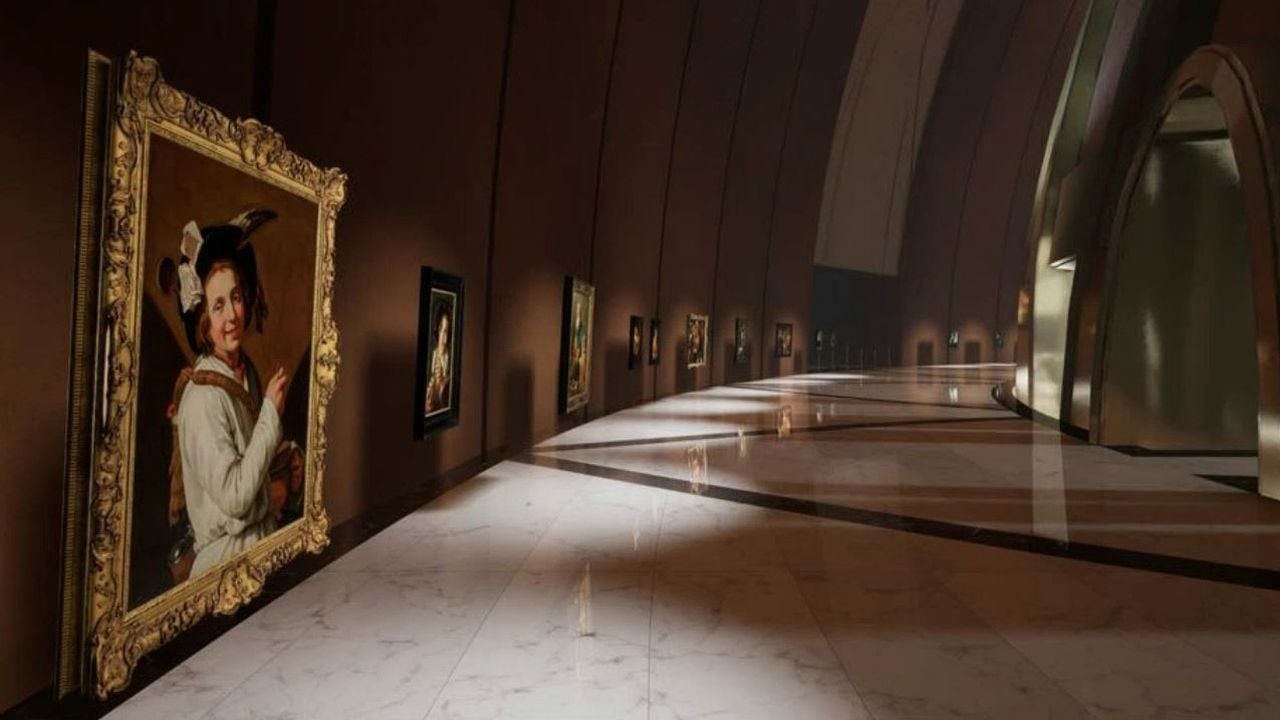
Lo que verdaderamente distingue a The Kremer Collection en la era moderna es su visión vanguardista al abrazar la tecnología. Reconociendo que el gran arte debe trascender las fronteras geográficas, la colección ha sido pionera en una fusión perfecta entre lo antiguo y lo de última generación a través de The Kremer Museum . Esta experiencia de realidad virtual totalmente inmersiva, inspirada en la elegancia arquitectónica de Studio Libeskind, permite a una audiencia global deambular por un espacio de galería meticulosamente reconstruido. Los visitantes pueden examinar detalles de alta resolución de la pincelada de un maestro o proyectar estos tesoros atemporales en sus propias paredes desde cualquier lugar del mundo. Es un matrimonio asombroso entre la artesanía del siglo XVII y la innovación del siglo XXI, asegurando que el legado de los Maestros Holandeses siga siendo una parte viva y palpitante de nuestra cultura visual contemporánea.