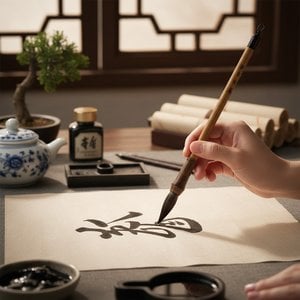
Zhou Lianggong (周亮工): El mecenazgo de un poeta y la configuración del arte de la dinastía Qing
Zhou Lianggong (周亮工), nacido en Kaifeng, China, alrededor de 1612, se erige como una figura singular dentro del paisaje artístico del siglo XVII: poeta, calígrafo, ensayista y, fundamentalmente, un historiador del arte que impactó profundamente la trayectoria de la pintura de la dinastía Qing. A diferencia de muchos de sus contemporáneos, preocupados por las grandes narrativas de grandeza imperial, el legado de Zhou Lianggort se asienta en una labor notablemente enfocada: documentar y defender la obra de pintores y talladores de sellos de su época, una dedicación que lo distingue como uno de los conocedores más influyentes de su tiempo. Su vida se desarrolló en medio de turbulentos cambios políticos, marcada por su servicio tanto a las dinastías Ming como Qing; sin embargo, fue su compromiso inquebrantable con la preservación del patrimonio artístico lo que consolidó su lugar en la historia del arte.
Primeros años y educación: La crianza de Zhou Lianggong inculcó en él un profundo aprecio por la erudición confuciana y la caligrafía, habilidades que perfeccionó con diligencia durante sus años formativos. Su linaje familiar se remontaba a Nanjing, situándolo dentro de un prominente círculo aristocrático donde las artes eran consideradas componentes esenciales de la educación noble.
El examen Jinshi y sus inicios profesionales: En 1640, Zhou Lianggong superó con éxito el riguroso examen Jinshi, asegurando su puesto como magistrado en Weixian, Shandong. Este momento crucial no solo significó un ascenso profesional, sino también un compromiso con la gobernanza, un rol que más tarde lo expondría a los peligros de la inestabilidad política.
La defensa de Weixian y la conquista Qing: El valor de Zhou Lianggong brilló durante el asedio de Weixian por las fuerzas manchúes lideradas por Abatai. Al demostrar una lealtía inquebrantable y perspicacia estratégica, defendió con éxito la ciudad, una hazaña que le granjeó un considerable reconocimiento pero que también lo lanzó hacia un camino peligroso rumbo a Beijing.
La turbulenta era Qing y el mecenazgo artístico
Tras la rebelión de Li Zicheng y el posterior colapso del dominio Ming, Zhou Lianggong se vio envuelto en la caótica lucha por el poder. Obligado a huir de Nanjing ante la escalada de violencia, finalmente sucumbió al dominio Qing, una circunstancia que, irónicamente, le brindó oportunidades para servir dentro de la floreciente corte imperial. Su labor abarcó múltiples funciones, reflejando su versatilidad como diplomático y administrador; no obstante, fue su mecenazgo hacia los artistas lo que verdaderamente definió su contribución a la cultura artística Qing. Reconociendo la importancia de preservar la memoria artística, Zhou Lianggong emprendió un proyecto ambicioso: la compilación de Da Hua Lu (Vidas de Pintores) e Yinren Zhuan (Vidas de Talladores de Sellos), volúmenes que documentaron meticulosamente las biografías y logros de los artistas contemporáneos. Esta empresa se distingue del mero coleccionismo convencional, al priorizar la investigación académica por encima de la simple apreciación estética.
Laigutang Ji: La obra maestra de Zhou Lianggong es, posiblemente, el Laigutang Ji (賴古堂集), una colección de poesía que encarna su profunda sensibilidad hacia la belleza y su inquebrantable dedicación a la excelencia artística. Sus poemas exploran temas de la naturaleza, la moralidad y la experiencia humana, reflejando su curiosidad intelectual y su visión artística.
Influencia y legado: Su meticulosa erudición impactó profundamente en el estudio de la historia del arte de la dinastía Qing. Sus obras Da Hua Lu e Yinren Zhuan se convirtieron en textos fundacionales para las generaciones posteriores de estudiosos, estableciéndolo como un pionero en la crítica biográfica del arte y moldeando el discurso intelectual en torno al logro artístico.
Escritos de prisión y el espíritu democrático de la colaboración artística
Los últimos años de Zhou Lianggong estuvieron marcados por el encarcelamiento, tras las acusaciones de corrupción presentadas contra él por Tongtai, Gobernador General de Fujian y Zhejiang. A pesar de estos desafíos, perseveró en sus búsquedas artísticas, produciendo el Yinshuwu Shuying (因樹屋書影), una notable colección de apuntes compilados durante su reclusión. Esta obra ejemplifica su compromiso inquebrantable con la expresión artística incluso en la adversidad, demostrando un espíritu de colaboración y compromiso intelectual que lo distingue de muchos de sus pares. La compilación misma fue un testimonio del ethos democrático de la era de Zhou Lianggong, reflejando la participación de numerosos asociados en el registro de sus experiencias colectivas.
Reflexiones finales: Un defensor de la memoria artística
Zhou Lianggong falleció en 1672, dejando tras de sí un legado perdurable como poeta, calígrafo y, por encima de todo, un ferviente defensor de la preservación del patrimonio artístico. Su meticulosa labor académica, particularmente sus estudios biográficos, lo establecieron como una figura fundamental en la historia del arte Qing: un erudito que reconoció la importancia de documentar los logros artísticos y asegurar su recuerdo a través de las generaciones. La inquebrantable dedicación de Zhou Lianggong a esta noble búsqueda continúa inspirando tanto a artistas como a académicos, consolidando su lugar como uno de los luminarios culturales más distinguidos de China.
Por el equipo editorial de WahooArt.com
Cuestionario de arte
Cada pregunta tiene una única respuesta correcta.
Pregunta 1:
¿Quién fue principalmente Zhou Lianggong?
Pregunta 2:
¿En qué ciudad desempeñó Zhou Lianggong como magistrado?
Pregunta 3:
¿Qué evento significativo ocurrió durante el tiempo de Zhou Lianggong en Nanjing?
Pregunta 4:
¿Qué fue lo más destacado de Zhou Lianggong como artista?
Pregunta 5:
¿Cuál fue el logro más importante de Zhou Lianggong en relación con el estudio del arte chino?
Embark on a profound journey through the soul of Chinese calligraphy. Explore the historical mastery of ink, brush, and script, from ancient Zhuanshu to elegant running script, and discover how this timeless art form reflects the enduring spirit of classical East Asian aesthetics.
¡Hola! Puedo ayudarte a elegir una obra de arte, realizar el seguimiento de un pedido o resolver tus dudas sobre la garantía. ¿En qué puedo ayudarte hoy?