El ascenso del artesano: La vida y el legado de William Joseph Shayer Senior
En el corazón de la era victoriana, un período definido tanto por una rápida agitación industrial como por una profunda nostalgia por lo pastoral, las obras de William Joseph Shayer Senior ofrecieron una ventana luminosa a un mundo que se desvanecía. Su camino hacia la prominencia artística no estuvo pavimentado con el prestigio de las academias formales, sino más bien a través de un humilde e industrioso aprendizaje con el mundo físico. Nacido en Southampton en 1787, los primeros años de Shayer estuvieron definidos por un compromiso táctil con la textura y la superficie. Antes de que alguna vez tocara un lienzo al óleo con la intención de capturar un paisaje, sus manos estuvieron ocupadas con la delicada tarea de decorar sillas de asiento de junco y la meticulosa pintura de carruajes en Guildford. Este período fundacional del arte decorativo le inculcó un profundo respeto por el detalle y la precisión, que más tarde se convertiría en la piedra angular de su destreza técnica única.
A medida que Shayer transitaba de la pintura heráldica al medio más grandioso del óleo sobre lienzo, comenzó a tejer una narrativa visual de la campiña británica que resonó profundamente con la sensibilidad de su época. Fue un maestro autodidacta que fue más allá de la belleza utilitaria de sus primeros oficios para abrazar las complejidades de la pintura de figuras y el paisaje. Su evolución estuvo marcada por un movimiento hacia composiciones intrincadas, donde la quietud de las vistas boscosas se encontraba con la energía dinámica de la vida rural. Shayer se volvió particularmente hábil en el retrato de escenas pobladas por aldeanos, animales y figuras romaníes, a menudo ambientadas con el telón de fondo de pintorescas posadas rurales o bulliciosas escenas de playa repletas de pescadores y barcos. Su obra, que recordaba en espíritu al popular pintor de figuras George Morland, poseía una profundidad y un brillo distintivos que lo diferenciaban de muchos de sus contemporáneos.
Maestría de la luz y espíritu colaborativo
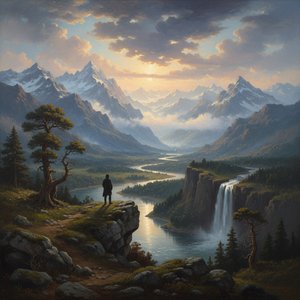
Lo que verdaderamente distingue la obra de Shayer es su magistral aplicación de la técnica del vidriado. Al extender capas finas, aceitosas y transparentes de pintura sobre capas secas y opacas, logró una cualidad luminosa que permitía que la luz pareciera emanar desde el interior del propio lienzo. Este método le permitió capturar los efectos fugaces de la atmósfera, la sombra y la luz solar con una precisión asombrosa, dotando a sus paisajes de un sentido de vida palpitante. Su capacidad para representar las sutiles variaciones tonales de la campiña de Hampshire —particularmente las zonas boscosas del New Forest— transformó simples escenas rurales en obras maestras evocadoras y atmosféricas.
Más allá de sus esfuerzos individuales, la carrera de Shayer se enriqueció con un notable espíritu de colaboración. Trabajó frecuentemente junto a otros artistas talentosos, especialmente con Edward Charles Williams, un acaudalado comerciante de Southampton y devoto mecenas. Estas asociaciones resultaron a menudo en algunas de sus imágenes más icónicas; en estas obras, Williams representaba hábilmente los entornos arquitectónicos y los paisajes expansivos, mientras que Shayer insuflaba vida a las escenas añadiendo los elementos humanos y animales. Un ejemplo primordial es “The Old Roadside Inn”, una pieza que ejemplifica cómo sus talentos combinados podían crear una obra maestra narrativa y unificada. Este enfoque colaborativo no era meramente una conveniencia profesional, sino un reflejo de los interconectados círculos artísticos del período victoriano.
Una impresión duradera en el arte británico
Aunque vivió una vida arraigada en las industriosas tradiciones del artesano inglés, el impacto de Shayer llegó mucho más allá de las fronteras de Southampton. Sus frecuentes exposiciones en sedes prestigiosas, como la Royal Academy y la British Institution, consolidaron su reputación entre el público amante del arte de su tiempo. A través de sus lienzos, preservó el encanto de una Inglaterra pastoral que estaba siendo transformada rápidamente por los avances tecnológicos de la era. Sus pinturas sirvieron tanto como una celebración de la tranquilidad rural como un registro meticuloso de las personas y animales que la habitaban.
La importancia histórica de William Joseph Shayer Senior reside en su capacidad para cerrar la brecha entre la artesanía decorativa y las bellas artes. Elevó lo mundano —el movimiento de un sabueso, el resplandor de una fogata o la quietud de un estanque sombreado— hacia algo trascendente. Hoy en día, sus obras siguen siendo apreciadas por su calidez nostálgica y su brillantez técnica, erigiéndose como testimonios perdurables de la belleza del paisaje victoriano y el poder imperecedero de una visión autodidacta.
Preguntas y respuestas
¿Dónde y cuándo nació William Joseph Shayer?
William Joseph Shayer nació en Southampton en 1881.
¿En qué ciudad y país nació William Joseph Shayer?
William Joseph Shayer nació en Southampton, Reino Unido.
¿Con qué otros nombres o alias se conoce a William Joseph Shayer?
William Joseph Shayer también es conocido por los nombres William Joseph Shayer Senior.