Born: 1954, Xinjiang Uyghur Autónoma Region, China
Nationality: China
Museums on APS: UCCA Centro de Arte Contemporáneo
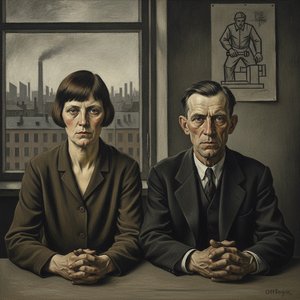
Top 3 works: Bentham
Wang Jianwei: Bridging Military Discipline and Artistic Vision
Wang Jianwei (汪建伟), born in October 1954 in Xinhuang Dong Autonomous County, Hunan Province, China, represents a fascinating intersection of military service and artistic exploration. His life journey has been shaped by formative experiences within the People’s Liberation Army, profoundly influencing his distinctive approach to art – specifically new media, performance, and installation – characterized by meticulous observation and a deep engagement with cultural contexts.
Early Life and Military Beginnings
Wang's childhood was steeped in military tradition; he grew up in a family deeply rooted within the PLA, witnessing firsthand the realities of life as a soldier’s son. This upbringing instilled discipline and fostered an early appreciation for precision and detail – qualities that would later permeate his artistic practice. Enlisting in the PLA in November 1969 during the Sino-Vietnamese War provided invaluable experience and broadened his worldview. He served diligently within the Guangzhou Military Region, honing his skills and developing a keen understanding of societal dynamics. This formative period cemented his commitment to serving his nation while simultaneously nurturing his creative aspirations. The unwavering dedication to duty instilled in him a profound respect for structure and form—principles that would become central to his artistic endeavors.
The Sichuan Painting School and Artistic Influences
Wang’s artistic development gained significant momentum during his time at Zhejiang Academy of Fine Arts (now China Academy of Art), where he encountered the seminal influence of Zheng Shengtian, a returning professor from the United States who championed Western contemporary art. This exposure ignited Wang's passion for installation and environmental art, marking a pivotal moment in shaping his artistic vision. Notably, he embraced the Sichuan Painting School style—a movement emphasizing realistic depictions of everyday life—influenced by artists like Francis Bacon. His celebrated work “Bentham” exemplifies this stylistic choice, capturing the quiet contemplation of aging subjects within a carefully constructed space. The meticulous detail and evocative atmosphere of Bentham resonate with Bacon’s exploration of human vulnerability and psychological complexity. He recognized in Bacon's canvases a kindred spirit – an artist who wrestled with similar themes of existential questioning and visual storytelling.
The “85 New Wave” Movement and Artistic Breakthrough
Wang Jianwei’s artistic breakthrough occurred during the “85 New Wave” movement, which emerged in 1985 as a catalyst for avant-garde creativity within China. Inspired by Robert Rauschenberg’s groundbreaking work—particularly his exploration of materiality and spatial relationships—Wang embarked on a transformative journey into new media art forms. The National Art Gallery's Rauschenberg Overseas Culture Interchange project served as an instrumental springboard, exposing him to international artistic dialogues and fostering experimentation with innovative techniques. This period solidified Wang’s dedication to pushing boundaries and redefining artistic expression. He actively sought inspiration from artists who challenged conventions and interrogated societal norms—a pursuit that fueled his creative evolution.
Notable Achievements and Legacy
Wang Jianwei’s contributions to contemporary Chinese art extend beyond his individual artworks; he holds positions of influence within academia—serving as Professor at National University of Defense Technology and President of PLA Nanjing Political College—further demonstrating his commitment to fostering intellectual discourse and nurturing talent. As a delegate to the 19th National Congress of the Communist Party, Wang Jianwei represents a voice rooted in both military service and artistic conviction. His work continues to inspire discussion about the role of art in reflecting societal realities and exploring profound human experiences – cementing his place as a key figure in China’s evolving cultural landscape. He remains steadfast in his belief that art possesses the power to illuminate truth, provoke contemplation, and ultimately enrich our understanding of the human condition.
Por el equipo editorial de WahooArt.com
Cuestionario de arte
Cada pregunta tiene una única respuesta correcta.
Pregunta 1:
¿Qué medio artístico predomina en la obra de Wang Jianwei?
Pregunta 2:
¿Dónde nació Wang Jianwei?
Pregunta 3:
¿En qué conflicto militar participó Wang Jianwei?
Pregunta 4:
¿Qué artista occidental influyó profundamente en el estilo artístico de Wang Jianwei?
Pregunta 5:
¿Cuál fue el puesto que ocupó Wang Jianwei en la Universidad Nacional de Defensa Técnica?
Discover how visionary hotel designers are utilizing Pop Culture Art to transform cafés, lounges, and gaming hotels into immersive, high-end destinations through strategic curation, bespoke textures, and iconic aesthetic trends.
Elevate your artistic practice with our expert guide to mastering mixed media art. Discover professional techniques for layering, material integration, and creating structural depth to transform your creative vision into sophisticated, multi-dimensional masterpieces.
¡Hola! Puedo ayudarte a elegir una obra de arte, realizar el seguimiento de un pedido o resolver tus dudas sobre la garantía. ¿En qué puedo ayudarte hoy?