Utagawa Sadatora: A Master of Edo Period Elegance
Utagawa Sadatora, born around 1825 in Tokyo during the vibrant Edo period (1603–1867), stands as a captivating figure within Japanese art history. Initially known as GoFūtei – a pseudonym reflecting his artistic sensibilities – he was deeply rooted in the Utagawa school of artists, an institution renowned for its prolific output of *ukiyo-e* prints. His career spanned roughly from 1818 to 1844, a period marked by both innovation and adherence to established traditions. Sadatora’s legacy rests on his ability to capture the ephemeral beauty of the natural world, particularly through depictions of women, landscapes, and the delicate nuances of seasonal motifs – a hallmark of the Utagawa style. He was a student of the esteemed Kunisada, absorbing much of the school's techniques while simultaneously forging his own distinctive artistic voice.
Early Life and Artistic Training
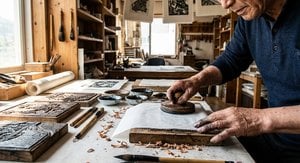
Sadatora’s formative years were spent within the bustling environment of Edo (modern-day Tokyo), a center for art production and cultural exchange. The Utagawa school provided him with an unparalleled foundation, immersing him in the collaborative process of *ukiyo-e* creation – a system where artists specialized in different roles: designers (*mokusha*), carvers (*sori*), and printers (*surimono*). His teacher, Kunisada, was a master of portraying historical narratives and popular subjects, but Sadatora quickly demonstrated an inclination towards more intimate scenes and refined aesthetics. The adoption of the pseudonym “GoFūtei” – literally "Five Wind Pavilion" – suggests a deliberate attempt to express his artistic philosophy: a sensitivity to the subtle shifts in nature and a desire to capture fleeting moments of beauty. This name also hints at a connection with the aesthetic ideals prevalent during this period, emphasizing harmony and refinement.
A Distinctive Style: Women, Landscapes, and Seasonal Motifs
Sadatora’s work is immediately recognizable by its exquisite detail, delicate color palettes, and graceful compositions. Unlike some of his contemporaries who focused on grand historical scenes or theatrical performances, Sadatora frequently depicted women engaged in everyday activities – from attending tea ceremonies to strolling through gardens – often accompanied by meticulously rendered seasonal plants. These subjects were not merely decorative; they served as vehicles for exploring themes of beauty, refinement, and the transient nature of life. His landscapes are equally captivating, characterized by a serene atmosphere and an attention to atmospheric perspective that was relatively advanced for its time. A particularly notable aspect of his work is his early adoption of Prussian blue pigment – a synthetic color introduced during this period – which allowed him to achieve richer, more nuanced shades than were previously possible with traditional Japanese dyes. The “Fashionable Seven Autumn Plants” series exemplifies this skill, showcasing the artist’s ability to capture the subtle variations in color and texture of autumn foliage.
Key Works and Influences
Several key works illuminate Sadatora's artistic development and stylistic preferences. "Great Harbors for the Lucky Treasure Ship" (Kiyomizu-dera) is a prime example of his landscape expertise, demonstrating a masterful use of light and shadow to create a sense of depth and atmosphere. His depictions of women are equally compelling, often imbued with an air of quiet dignity and grace. The influence of Kunisada is undeniably present in many of Sadatora’s early works, particularly in the composition and subject matter. However, he gradually developed his own distinct style, characterized by a greater emphasis on subtlety, refinement, and a more intimate portrayal of human subjects. The work "List of Utagawa school members" provides valuable insight into the complex network of artists within the Utagawa school, highlighting Sadatora’s position as a respected member contributing to the school's rich legacy.
Legacy and Historical Significance
Utagawa Sadatora’s contribution to *ukiyo-e* art is significant not only for his technical skill but also for his ability to capture the aesthetic sensibilities of the Edo period. His work reflects a growing appreciation for beauty, refinement, and the natural world – values that were increasingly embraced by Japanese society during this time. His use of Prussian blue pigment marked an important step in the evolution of *ukiyo-e* printing techniques, paving the way for future generations of artists. Today, his works are treasured for their exquisite detail, delicate color palettes, and evocative depictions of everyday life. His art continues to be studied and admired by collectors and scholars alike, solidifying his place as a master of Edo period elegance. Further exploration can be found at Wikiart.org – best visual art database.