Albert Anker, 1831 – 1910

Albert Anker Paintings: The 83 Most Famous Works, Ranked

Albert Anker's most famous painting is Writing lessons (also known as Schreibunterricht) (1865). With The Prodigal Son (1858) and Sunday afternoon (1862), it completes the three works everyone recognises. Our catalogue lists 83 works by Albert Anker; the 83 below are the ones the world looks at most, each with its year, the museum that holds it and why it matters.

Clasificado según nuestra puntuación de popularidad, que combina las búsquedas, visitas y pedidos de cada obra. Actualizado octubre 2026. Every masterpiece on this page can be ordered as a museum-quality, hand-painted oil reproduction or a fine art print, at the size you choose.

Retrato de Albert Anker
Albert Anker · 1831 – 1910
Nacimiento · fallecimiento
1831 – 1910, Ins
Movimiento
Realismo
Obras en nuestro catálogo
83
Más famosas
Writing lessons (also known as Schreibunterricht) (1865)
Más obras en
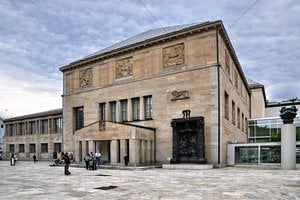
Kunsthaus Zürich

The 10 most famous Albert Anker paintings

Albert Anker, paintings 11 to 83

The LIttle Musician (1873) de Albert Anker
#49

The LIttle Musician

1873

The Little Musician is an oil on canvas painting by the Swiss artist Albert Anker. Created about 1873, this work captures a singular, quiet moment of childhood. The…

Order a reproduction →

The subjects Albert Anker painted most

The four subjects that return most often among these masterpieces, with the finest example of each.

Where to see Albert Anker's paintings

Los 7 museos que albergan la mayor parte de las pinturas de esta página.

Museo Ciudad Obras de Albert Anker Pinturas de esta lista
Kunsthaus Zürich, ZúrichKunsthaus Zürich Zúrich 3 The Milk Soup at Kappel, Civil marriage, Dos niñas en el banco de la estufa
Kunst Museum Winterthur | Reinhart am Stadtgarten, WinterthurKunst Museum Winterthur | Reinhart am Stadtgarten Winterthur 3 The little knitters, The artist's daughter Louise, Creche
Museo de Arte e Historia, NeuchâtelMuseo de Arte e Historia Neuchâtel 2 Sunday afternoon, The Bourbakis
Museo de las Artes Bern, BernMuseo de las Artes Bern Bern 2 The Poor Man's Soup, Still-Life with Coffee, Milk and Potatoes
Palais des Beaux-Arts de Lille, LillePalais des Beaux-Arts de Lille Lille 1 In the Woods
Museo Cantonal de las Bellas Artes, LausanaMuseo Cantonal de las Bellas Artes Lausana 1 Queen Bertha and the Spinners
Kunstmuseum Basel, BasileaKunstmuseum Basel Basilea 1 Children at Breakfast

Albert Anker's most famous painting of each decade

  1. 1850s
  2. 1860s
  3. 1870s
    The Bourbakis (1871) de Albert Anker
    No. 4 of 83

    The Bourbakis

    Edad 39 – 48 · Museo de Arte e Historia
  4. 1880s
  5. 1890s
  6. 1900s
  7. 1910s

Questions about Albert Anker's paintings

What is Albert Anker's most famous painting?Show the answer

Writing lessons (also known as Schreibunterricht) (1865). Next come The Prodigal Son (1858) and Sunday afternoon (1862).

How old was Albert Anker when Writing lessons (also known as Schreibunterricht) was painted?Show the answer

34 years old: Writing lessons (also known as Schreibunterricht) dates from 1865 and Albert Anker was born in 1831.

What are the top 10 paintings by Albert Anker?Show the answer

Writing lessons (also known as Schreibunterricht), The Prodigal Son, Sunday afternoon, The Bourbakis, In the Woods, The Wine Festival, Betende im Beinhaus von Stans, Baptism, Boy at table II y Girl, drinking coffee. The ranking above gives the year and the museum of each.

How many paintings did Albert Anker make?Show the answer

Our catalogue lists 83 works by Albert Anker, dated from 1858 to 1910.

Where are Albert Anker's most famous paintings?Show the answer

Most of them are in Kunsthaus Zürich (Zúrich), Kunst Museum Winterthur | Reinhart am Stadtgarten (Winterthur) y Museo de Arte e Historia (Neuchâtel). The table above lists the museums one by one.

When did Albert Anker paint the most famous works?Show the answer

In 1890s: 16 of the 83 works on this page date from then, among them The Genius of Death.

What are Albert Anker's earliest and latest famous paintings?Show the answer

The earliest on this page is The Prodigal Son (1858), the latest Boy with Slate Tablet (1910).

What did Albert Anker paint most often?Show the answer

Rural life (3), Swiss art (3) y Portraits (3), among the 83 works on this page.

Which art movement does Albert Anker belong to?Show the answer

Realismo y Contemporary realism, as the paintings on this page show.

Which Albert Anker paintings can I see at the Kunsthaus Zürich?Show the answer

The Milk Soup at Kappel, Civil marriage y Dos niñas en el banco de la estufa are among the 3 works on this page held by the Kunsthaus Zürich, Zúrich.

Can I buy a reproduction of a Albert Anker painting?Show the answer

Yes. Every painting on this page can be ordered as a museum-quality, hand-painted oil reproduction or a fine art print, in the size you choose, from the painting's own page.

About Albert Anker

Vida Temprana y Educación

Albert Samuel Anker nació el 1 de abril de 1831 en Ens, Suiza. Su padre, Samuel Anker, fue veterinario y ocupó un cargo dentro de la asamblea constituyente del Cantón de Berna. La familia se mudó a Neuchâtel en 1836 cuando su padre asumió un papel similar allí. Anker demostró una aptitud artística temprana, recibiendo lecciones iniciales de dibujo de Frédéric-Wilhelm Moritz. Continuó su formación artística con Louis Wallinger de 1845 a 1848 junto con Auguste Bachelin. Después de asistir al Gymnasium en Berna y obtener el Matura en 1851, inicialmente cursó estudios teológicos en la Universidad de Berna y luego en la Universidad de Halle en Alemania. Sin embargo, inspirado por las colecciones de arte que encontró en Alemania, Anker finalmente decidió dedicarse a una carrera como artista, obteniendo la aprobación de su padre en 1854.

Desarrollo Artístico e Influencias

Anker se mudó a París donde estudió con Charles Gleyre en la École nationale supérieure des Beaux-Arts. Este período fue crucial para su desarrollo artístico, exponiéndolo a las tendencias contemporáneas del arte francés. Si bien estuvo influenciado por el Realismo, Anker desarrolló un estilo distintivo caracterizado por meticulosos detalles, sutiles expresiones emocionales y un enfoque en la representación de escenas cotidianas de la vida rural suiza. Su obra refleja una apreciación por la simplicidad y la dignidad de la existencia campesina. A menudo representaba niños, agricultores e interiores domésticos con un realismo y ternura notables. La influencia de los maestros holandeses como Johannes Vermeer se puede observar en su atención a la luz y el detalle, así como en su representación de entornos interiores íntimos.

Obras Principales y Temas

Anker es conocido principalmente por sus pinturas que representan escenas de la vida rural suiza del siglo XIX. Algunas de sus obras más celebradas incluyen "El Pequeño Músico", una encantadora descripción de un niño tocando el violín, “Retrato de una Joven Chica”, que muestra la inocencia juvenil, y "Esposa de un Agricultor, Cosiendo", que captura un momento poignante de tranquilidad doméstica. "Unterwalden (trajes tradicionales después de Josef Reinhart)" demuestra su interés en documentar el patrimonio cultural suizo a través de estudios en acuarela de trajes tradicionales. También produjo retratos, bodegones y escenas de género que reflejan los valores y la estética de su época. Su estudio en carbón "Viejo Agricultor en la Mesa (22 de abril de 1907)" ofrece una visión de su proceso artístico y su capacidad para transmitir emociones con líneas simples. Los temas recurrentes en la obra de Anker incluyen la infancia, la vida familiar, las tradiciones rurales y la belleza del paisaje suizo.

Reconocimiento y Significado Histórico

Albert Samuel Anker logró un reconocimiento considerable durante su vida, convirtiéndose en conocido como el "pintor nacional" de Suiza debido a la popularidad y atractivo perdurable de sus representaciones de la cultura suiza. Sus obras fueron exhibidas en numerosas exposiciones nacionales e internacionales, lo que le valió elogios críticos y una base de seguidores leales. El arte de Anker jugó un papel importante en la configuración de la imagen de Suiza del siglo XIX, presentando una visión romántica pero realista de la vida rural. Contribuyó al desarrollo del Realismo suizo, influyendo en generaciones posteriores de artistas. Sus pinturas continúan siendo admiradas por su habilidad técnica, profundidad emocional y significado histórico, ofreciendo valiosas perspectivas sobre el panorama social y cultural de su época. Anker falleció el 16 de julio de 1910 en Ins, Suiza, dejando atrás un legado como uno de los artistas más queridos e importantes de Suiza.

Todas las 83 obras de Albert Anker →