Un linaje de precisión y grandeza
Nacido en las afueras de París en 1837, Tony Robert-Fleury se adentró en el mundo del arte a través de un profundo vínculo familiar. Como hijo del respetado acuarelista Joseph Nicolas Robert-Fleury, creció en un entorno que priorizaba la observación meticulosa y el rigor técnico. Esta inmersión temprana en los detalles finos de la representación se vio elevada aún más por sus estudios en la École des Beaux-Arts, donde buscó la guía de maestros legendarios como Paul Delaroche y Léon Cogniet. Bajo su tutela, Robert-Fleury no solo aprendió a pintar; aprendió a dominar el escenario de la historia, absorbiendo un sentido de teatralidad y peso narrativo que se convertiría en la piedra angular de su célebre carrera.El lienzo narrativo: del romanticismo a la atmósfera
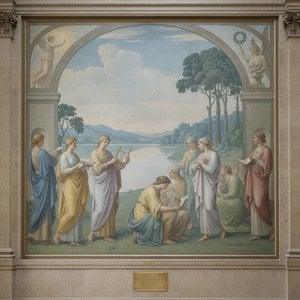
La evolución artística de Robert-Fleury es un estudio fascinante sobre la transición de las sensibilidades del siglo XIX. Su debut en el Salon de Paris en 1866, con la monumental obra Varsovie, lo estableció de inmediato como un maestro del drama histórico. Esta pieza, que conmemoraba el levantamiento polaco, demostró su capacidad para entrelazar una emoción intensa en composiciones de gran escala. A medida que su carrera progresaba, su estilo comenzó a navegar por el delicado espacio entre la intensidad dramática del Romanticismo y el creciente interés por la luz y la atmósfera característicos de la era impresionista. En obras maestras como Le Dernier Jour de Corinth, se puede observar un sofisticado juego de color y luz que trasciende la mera documentación para avanzar hacia una exploración más matizada y atmosférica del pasado. Ya fuera capturando la tranquila introspección de una Girl Reading o la cruda realidad de las luchas históricas, su pincelada permaneció anclada en un profundo respeto por la precisión técnica y la profundidad psicológica.Un legado pedagógico
Si bien sus lienzos continúan cautivando a los coleccionistas, el impacto de Robert-Fleury en la trayectoria del arte moderno se siente, quizás, de manera más perdurable a través de su papel como educador. Durante su larga trayectoria en la Académie Julian, sirvió como un puente entre las tradiciones clásicas del pasado y las innovaciones radicales del futuro. Al fomentar una tradición de realismo mientras alentaba la expresión individual, moldeó las mentes de varios artistas que eventualmente desmantelarían las mismas estructuras académicas que él representaba. Su influencia puede apreciarse en las obras de:- Gustave Moreau, cuya complejidad simbólica se nutrió de la profundidad narrativa de Robert-Fleury;
- Henri Matisse, un alumno que más tarde revolucionaría el color y la forma;
- Édouard Vuillard, quien llevó adelante las sensibilidades íntimas y texturizadas de la época.
Preguntas y respuestas
¿Cómo evolucionó el arte de Tony Robert-Fleury a lo largo del tiempo?
La trayectoria de Tony Robert-Fleury se despliega etapa por etapa en la página Trayectoria: una línea de tiempo horizontal de sus obras, agrupadas en capítulos según sus periodos creativos.
¿Dónde puedo ver la paleta cromática de la obra de Tony Robert-Fleury?
El ADN de la Paleta de Tony Robert-Fleury presenta el perfil cromático de su obra.
¿Cómo puedo seguir la obra de Tony Robert-Fleury año tras año?
Las obras de Tony Robert-Fleury pueden verse en orden cronológico en la página de Cronología de obras del artista.