Un Tapiz de Espíritu y Línea
El arte de Salma Arastu es una profunda meditación sobre los hilos que entrelazan a la humanidad, tejidos a partir de una vida transcurrida a través de vastos paisajes culturales. Nacida en 1950 en la vibrante región de Rajasthan, India, en el seno de una familia hindú sindhi desplazada por la Partición, los primeros años de Arastu estuvieron marcados por temas de movimiento y transformación. Este sentido de resiliencia se forjó aún más a través de su viaje personal al navegar el mundo con una diferencia física —haber nacido sin dedos en su mano izquierda—, una realidad que transformó mediante el arte en una fuente de autonomía y autodeterminación. Sus años formativos en la India, arraigados tanto en las tradiciones hindúes como sindhi, proporcionaron una rica base espiritual y estética que más tarde florecería en un lenguaje artístico con una visión global.
La formación académica de Arastu en la Universidad Maharaja Sayajirao en Baroda le permitió perfeccionar su maestría técnica; sin embargo, fueron sus viajes posteriores los que verdaderamente expandieron su vocabulario visual. Durante una década vivida y trabajada en Irán y Kuwait, se sumergió en la belleza rítmica de las artes islámicas y la precisión meditativa de la caligrafía árabe. Este periodo fue transformador, ya que comenzó a tender puentes entre el ethos contemplativo de la espiritualidad islámica y las intrincadas tradiciones de su herencia india. Cuando emigró a los Estados Unidos en 1986, estas diversas influencias —que van desde las miniaturas persas hasta los extensos paisajes de California— se fusionaron en un estilo singular y lírico, caracterizado por líneas fluidas y un uso delicado y luminoso del color.
El Lenguaje de la Conexión
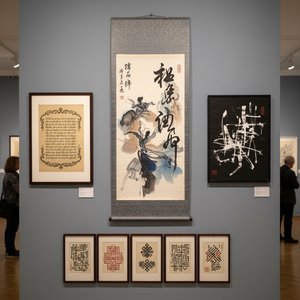
La práctica multidisciplinaria de Arastu es un testimonio del poder del arte como herramienta de sanación y unidad. Ya sea trabajando en pintura, escultura, caligrafía o poesía, su obra busca expresar una experiencia humana universal que trasciende fronendas y sistemas de creencias. Su trabajo a menudo presenta elementos figurativos estilizados y abstracciones por capas que invitan al espectador a un estado de indagación espiritual. En series como Night Time Stories, adapta el formato tradicional de la miniatura para narrar historias personales y colectivas, infundiendo vida contemporánea a formas ancestrales mediante una composición sofisticada y detalles emotivos.
Más allá de la figura humana, las exploraciones recientes de Arastu se han volcado hacia lo ecológico, encontrando un profundo simbolismo en el mundo natural. En series como Mycelial Flow e Tiny Creatures: Our Invisible Sustainers, explora el concepto de simbiosis, llamando la atención sobre las formas de vida microscópicas que sostienen nuestro planeta. Esta conciencia ecológica refleja su compromiso más amplio con los temas de la unidad: la idea de que toda la vida, desde el microbio más pequeño hasta la comunidad humana más vasta, está interconectada. Su uso de líneas vibrantes y fluidas sirve como una metáfora visual de esta misma conectividad, guiando la mirada a través de composiciones que se sienten tanto arraigadas en la tierra como elevadas por el espíritu.
Un Legado de Diálogo Global
A lo largo de una carrera que abarca más de cinco décadas, Salma Arastu se ha consolidado como una voz vital en el arte contemporáneo, participando en diálogos culturales significativos en todo el mundo. Sus exposiciones han engalanado instituciones prestigiosas, desde el Museo de Arte Moderno en Hyderabad hasta el Museo del Memorial del 11 de septiembre en Nueva York, demostrando su capacidad para resonar con audientes que enfrentan diferentes realidades históricas y sociales. Los eventos del 11 de septiembre de 2001 agudizaron particularmente su enfoque artístico en temas de sanación, esperanza y el destino compartido de todos los pueblos, convirtiendo su obra en un faro de paz en tiempos turbulentos.
La importancia de la contribución de Arastu reside en su capacidad para actuar como un puente cultural. Sus logros no se miden simplemente por las miles de pinturas que ha producido o las numerosas becas que ha recibido, sino por la manera en que su arte fomenta la empatía y el entendimiento. A través de su mezcla única de:
- Gracia Caligráfica: Utilizando el movimiento rítmico de la escritura para transmitir emoción y sacralidad.
- Síntesis Cultural: Fusionando la herencia india con las tradiciones espirituales islámicas para crear una estética nueva e inclusiva.
- Temas Universales: Abordando la identidad, la resiliencia y la interconexión de todos los seres vivos.
Arastu permanece como una fuerza activa y vital en su estudio, continuando con el desafío de los límites de su medio y recordándonos que, a través de la creatividad, podemos encontrar el terreno común necesario para sostener nuestra humanidad compartida.