La Identidad Dual de un Visionario Global
La odisea artística de Ricky Lee Gordon es un profundo estudio de la dualidad, un viaje que oscila entre la escala atronadora de los murales urbanos y los susurros íntimos y meditativos de la pintura de estudio. Nacido en Johannesburgo en 198iente, los primeros años de Gordon fueron moldeados por los complejos tapices culturales de Sudáfrica, fomentando una sensibilidad hacia las narrativas sociales que más tarde definirían su obra. Durante gran parte de su carrera, operó bajo el pseudónimo de Freddy Sam, un manto adoptado en 2010 que le proporcionó el anonimato necesario para perseguir un arte público sin concesiones. Esta personalidad le permitió transformar los paisajes urbanos en lienzos para el cambio, recorriendo las calles de Ciudad del Cabo, Estambul y Katmandú con la misión de cerrar la brecha entre la humanidad y su entorno.Su evolución, de ser un experimentador autodidacta a una figura reconocida mundialmente, está marcada por una búsqueda implacable de la autenticidad. Mientras que su trabajo temprano estaba arraigado en la energía cruda del arte callejero, su transición reciente hacia la pintura al óleo clásica refleja un compromiso más profundo e introspectivo con el mundo. Este cambio representa un movimiento hacia la antítesis de su labor muralista: un tránsito desde la declaración pública y sonora hacia la exploración silenciosa y meditativa del medio y el material.
Un Lienzo de Conciencia Social
El poder de la obra de Gordon reside en su capacidad para captar la atención a un nivel visceral. Sus murales a gran escala son mucho más que simples decoraciones; son diálogos urgentes sobre la justicia social, la gestión ambiental y la interconexión de toda la vida. A través de su práctica pública, se ha convertido en una voz vital para causas globales, obteniendo el reconocimiento de National Geographic como uno de los once grandes del arte callejero. Su habilidad para traducir problemas humanitarios complejos a un lenguaje visual accesible le ha valido prestigiosos encargos de organizaciones internacionales tales como:- Las Naciones Unidas y Amnistía Internacional, centrándose en los derechos humanos y la equidad global.
- WWF y Greenpeace, resaltando la frágil belleza de nuestros ecosistemas naturales.
- Médicos Sin Fronteras y Google, aportando visibilidad a narrativas críticas sobre salud y tecnología.
Este periodo de su carrera estuvo marcado por una búsqueda incesante de impacto, utilizando la expansión urbana como un escenario para el activismo creativo que resuena mucho más allá de las fronteras de Sudáfrica. Ya sea pintando en las bulliciosas calles de Estambul o en el corazón espiritual de Katmandú, Gordon utiliza la escala para incitar a la contemplación y fomentar el diálogo sobre los problemas más críticos que enfrenta nuestra sociedad moderna.
La Alquimia de la Naturaleza y la Reflexión en el Estudio
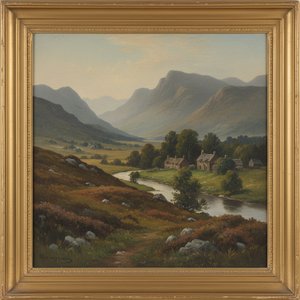
En años recientes, Gordon ha experimentado una evolución estilística significativa, retirándose de la escala expansiva de la calle para encontrar un pulso más tranquilo y rítmico dentro de su práctica de estudio. Tras haber estudiado anatomía y dibujo clásico en la Academia de Arte Figurativo de Los Ángeles, ha abrazado la pintura al óleo con un enfoque renovado en lo elemental. Su práctica actual es un ejercicio de alquimia natural, donde busca la armonía utilizando pigmentos y tintes encontrados directamente en la tierra.Sus viajes por Sri Lanka y su eventual establecimiento en Bali, Indonesia, han influido profundamente en este periodo de refinamiento. En su estudio, el proceso se convierte en un ritual de conexión, empleando técnicas tales como:
- Impresión con batik utilizando cera de abeja para capturar texturas orgánicas.
- Cianotipias y litografías para explorar el juego entre la luz y la sombra.
- El uso de tintes vegetales oxidados y pigmentos minerales para crear paisajes que nacen literalmente de la tierra que representan.
A través de este proceso profundamente personal, Gordon continúa iluminando la profunda interconexión de toda la vida. Su obra permanece como un poderoso testimonio del vínculo perdurable entre la humanidad y el mundo natural, demostrando que, ya sea en un rascacielos o en un pequeño lienzo, el verdadero propósito del artista es reflejar el alma de nuestra existencia compartida.
Preguntas y respuestas
¿Dónde puedo ver las obras de Ricky Lee Gordon organizadas por atmósfera?
Las obras de Ricky Lee Gordon pueden explorarse por estado de ánimo en la página Galería de estados de ánimo del artista, donde las piezas se organizan según sus emociones registradas.
¿Cuál es el lugar y el año de nacimiento de Ricky Lee Gordon?
Ricky Lee Gordon nació en Johannesburgo en 1984.
¿Existe un relato cronológico de Ricky Lee Gordon?
Un relato cronológico de la obra de Ricky Lee Gordon está disponible en la página Crónica del artista, donde las obras se presentan en orden de creación, capítulo a capítulo.