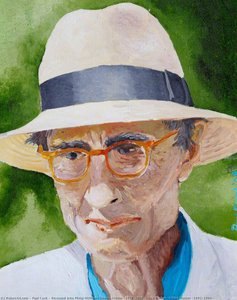
A Quiet Contemplation: The Serene World of Paul Cash
Paul Cash, a contemporary artist born in 1966, quietly cultivates a world steeped in atmospheric nuance and contemplative beauty. While biographical details remain somewhat elusive – the artist preferring to let his work speak for itself – Cash has emerged as a compelling voice in modern landscape painting, particularly renowned for his evocative depictions of snowy scenes and spiritual studies. His art isn’t about grand gestures or bold statements; it's an invitation into moments of stillness, where light and shadow play across surfaces, evoking a sense of peace and introspection. Cash’s work often centers around the architecture of Cambridge University colleges, transforming familiar spaces into ethereal visions through masterful use of watercolor and traditional painting techniques. He doesn’t merely *represent* these locations; he imbues them with an emotional resonance that transcends mere depiction.
Early Influences & Artistic Development
Though formal training details are scarce, Cash's artistic lineage can be traced to a deep appreciation for the British landscape tradition. The influence of J.M.W. Turner is subtly present in his handling of light and atmosphere, particularly in the way he captures the ephemeral quality of fog and snow. However, Cash diverges from Turner’s dramatic intensity, opting instead for a more restrained palette and a focus on quiet observation. His early works demonstrate a keen understanding of perspective and composition, laying the foundation for his later explorations of spatial depth and emotional weight. The artist's connection to Selwyn College, Cambridge – where several of his paintings reside – is particularly significant; it’s clear that these spaces aren’t simply subjects but deeply felt environments that inform his artistic vision. The series of “Fog Study” paintings, for example, are not just representations of weather conditions but explorations of perception and the way light shapes our understanding of reality.
Themes & Symbolism in Cash's Oeuvre
- The Ephemeral Nature of Beauty: Snow, fog, and twilight – recurring motifs in Cash’s work – represent the transient nature of beauty and the importance of appreciating fleeting moments. These elements are not static; they shift and change constantly, mirroring the impermanence of life itself.
- Spiritual Contemplation: Beyond the landscapes, Cash delves into spiritual themes, often through subtle symbolism embedded within his compositions. While not overtly religious, his paintings evoke a sense of reverence and invite viewers to contemplate deeper questions about existence and meaning.
- The Architecture as Sanctuary: The Cambridge colleges depicted in his work are more than just buildings; they represent spaces of learning, contemplation, and historical continuity. Cash transforms these structures into sanctuaries, bathed in soft light and imbued with a sense of timelessness.
Technique & Style: A Masterful Blend
Cash’s technical skill is evident in his meticulous attention to detail and masterful handling of watercolor and traditional painting mediums. He employs a layered approach, building up washes of color to create depth and atmosphere. His brushwork is delicate yet precise, capturing the subtle textures of snow-covered surfaces and the play of light on stone walls.
“The Three Tubs”, perhaps his most recognizable work, exemplifies this technique – the serene college scene is rendered with a remarkable sense of realism while simultaneously possessing an ethereal quality that transcends photographic representation. The painting’s muted palette and soft lighting create a mood of quiet contemplation, drawing viewers into the heart of the scene. His ability to convey both physical presence and emotional resonance sets his work apart.
Historical Significance & Contemporary Relevance
While Cash doesn't actively seek widespread recognition, his art resonates with a growing audience seeking solace and beauty in a fast-paced world. His paintings offer a counterpoint to the often chaotic nature of contemporary life, inviting viewers to slow down, observe, and appreciate the subtle wonders that surround them. His work stands as a testament to the enduring power of landscape painting – not as a mere depiction of scenery but as a vehicle for emotional expression and spiritual exploration. In an age dominated by digital imagery, Cash’s hand-painted reproductions offer a tangible connection to artistry and craftsmanship, reminding us of the beauty that can be found in quiet contemplation and skillful execution. His legacy lies not in revolutionizing artistic styles, but in refining them—creating works that are both deeply personal and universally appealing.