early life and training
michael sittow, also known as master michiel, michel sittow, or melchior alemán, was born around 1469 in reval (now tallinn), estonia—a city nestled within the hanseatic league during its golden age. details about his formative years remain elusive, shrouded in historical obscurity; however, scholarly consensus suggests he received his initial artistic education from his father, clawes van der sittow, a respected painter and guild assessor who served as advisor to kanut, the lord of tallinn, between 1479 and his untimely demise. this early mentorship undoubtedly instilled in young michael a foundational understanding of pigment preparation, brushwork, and compositional principles—skills that would prove invaluable throughout his illustrious career. sittow’s apprenticeship in bruges—a vibrant hub of artistic innovation during the Flemish Renaissance—under the tutelage of hans memling represents a pivotal moment in his artistic development. memling's influence extended beyond mere technical instruction; it fostered sittow’s appreciation for meticulous realism, devotional fervor, and the humanist ideals that permeated northern european art circles.
rise to prominence as a court portrait painter
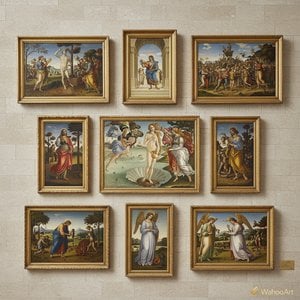
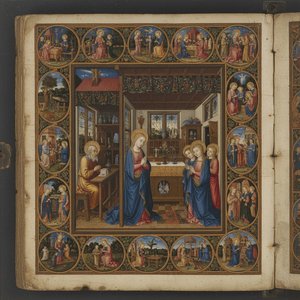
michael sittow ascended to fame in 1492 when he secured employment with isabella of castile and león—a decisive step that catapulted him into the orbit of royal patronage and propelled his artistic reputation to unprecedented heights. he remained steadfastly devoted to her service until her passing in 1504, navigating the complexities of court politics while consistently producing exceptional portraiture. this period witnessed sittow’s collaboration with juan de flandes on a breathtaking series of small panels depicting scenes from christ's life—a project commissioned by isabella and emblematic of the artistic dynamism characteristic of the era. these panels exemplify sittow’s mastery of devotional art, demonstrating his ability to convey profound spiritual emotion through exquisitely rendered detail.
important works and collections
sittow’s oeuvre encompasses a remarkable array of paintings that reflect both stylistic evolution and engagement with diverse artistic traditions. among his most celebrated achievements are:
- the assumption of the virgin (oil on panel, circa 1500s): This monumental altarpiece showcases sittow’s unparalleled skill in capturing ethereal beauty and conveying religious symbolism—a testament to his artistic vision and technical prowess.
- portrait of henry vii (oil on panel): Attributed to sittow, this portrait—held in the national portrait gallery—captures the regal bearing and solemn gaze of england’s king during henry viii's reign.
museums featuring sittow's work
sittow’s artistic legacy is preserved within several prestigious museums across europe: ateneumin taidemuseo (finland) houses a noteworthy collection of finnish art, offering visitors an opportunity to appreciate sittow’s contribution to the broader european artistic landscape.
further reading
for deeper insights into michael sittow's life and artistic accomplishments, consult
ateneumin taidemuseo (finland) - a haven for finnish art—a comprehensive examination of the museum’s holdings and their significance within the context of european art history.