El Legado Luminoso de Michiel Simons
En el crepúsculo dorado de la Edad de Oro holandesa, pocos artistas capturaron la belleza efímera del mundo material con tanta intimidad táctil como Michiel Simons. Nacido alrededor de 1648, en un periodo en el que los Países Bajos florecían bajo una era sin precedentes de investigación científica y riqueza mercantil, Simons emergió como un maestro de la naturaleza muerta. Mientras que la historia suele reservar sus focos más brillantes para titanes como Rembrandt o Vermeer, Simons se labró un nicho profundo gracias a su capacidad para transformar lo mundano —un limón pelado, un racimo de uvas o un ave caída— en una dramática meditación sobre la existencia. Su vida, aunque envuelta en las típicas brumas biográficas del siglo XVII, traza un viaje a través del corazón de las tradiciones artísticas holandesa y flamenca, llevándolo desde sus años de formación hacia un lugar permanente en los anales de la excelencia barroca.
Los cimientos del arte de Simons se establecieron mediante un riguroso aprendizaje, notablemente bajo la tutela de Hendrick Jacobsz. van Balen I. Esta conexión con la escuela barroca de Haarlem fue fundamental, ya que le inculcó un respeto por la precisión y una comprensión sofisticada de la luz. A través de esta formación, Simons dominó el arte del chiaroscuro, utilizando sombras profundas y aterciopeladas para proyectar sus sujetos hacia el espacio del espectador. Su técnica no consistía meramente en la imitación, sino en una representación emocional de la textura; casi se puede sentir la piel fresca y húmeda de una ciruela o la delicada y papirácea cáscara de un cítrico bajo su pincel. Este compromiso con el realismo le permitió tender un puente entre el mundo físico y la experiencia sensorial del observador.
Simbolismo y la Visión Barroca
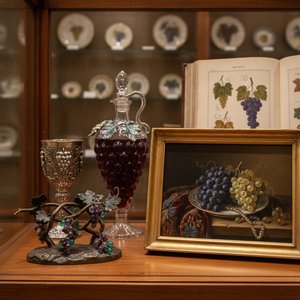
Contemplar una composición de Simons es entablar un diálogo con un complejo lenguaje de símbolos. Durante el siglo XVII, la pintura de naturaleza muerta servía para algo más que la mera decoración; era un vehículo para un profundo pensamiento filosófico y religioso. Simons utilizó los pronkstillevens —o naturalezas muertas suntuosas— para explorar temas de abundancia y la naturaleza fugaz de la vida. En sus célebres obras, como Still Life with Fruit, la presencia de frutas maduras y jugosas junto a la caza muerta funciona como un conmovedor memento mori. La vibrante vitalidad de la cosecha contrasta fuertemente con la quietud de la muerte, recordando al espectador que todos los deleites terrenales están sujetos al inevitable paso del tiempo.
Sus composiciones a menudo integraban elementos exóticos, como porcelana china y cristalería lujosa, que reflejaban el alcance global del comercio holandés. Estos objetos no se elegían al azar, sino que actuaban como marcadores de estatus y logros mundanos, aunque siempre estaban equilibrados por una sensación de fragilidad. Al entrelazar alegorías bíblicas y matices mitológicos con la realidad tangible de sus sujetos, Simons elevó el género de la naturaleza muerta de la simple observación a una alta búsqueda intelectual. Su obra capturó la tensión de una era atrapada entre la celebración de la prosperidad recién descubierta y una profunda conciencia espiritual de la mortalidad.
Significado Artístico e Influencia Duradera
La importancia histórica de Michiel Simons reside en su capacidad para sintetizar las diversas influencias de los Países Bajos en un estilo cohesivo y asombroso. Aunque algunos estudiosos han lidiado históricamente con las atribuciones —distinguiendo ocasionalmente su mano del grupo de pintores de Amberes conocidos como "Pseudo-Simons"—, el núcleo de su legado es inconfundible. Su obra representa la cúspide de la estética barroca, donde la luz, la sombra y el tema convergen para crear una sensación de grandeza teatral. Incluso cuando el mundo del arte se desplazó hacia otras sensibilidades en siglos posteriores, la meticulosidad de sus composiciones continuó imponiendo respeto tanto a coleccionistas como a historiadores.
Hoy en día, las contribuciones de Simons se preservan en algunas de las instituciones más prestigiosas del mundo, incluido el Rijksmuseum, donde su capacidad para evocar atmósferas sigue siendo tan potente como siempre. Su vida, en la que se le vio activo en importantes centros artísticos como Utrecht y Ámsterdam hasta su fallecimiento después de 1673, sirve como testimonio del poder perdurable de la tradición de la naturaleza muerta holandesa. A través de su maestría con el pincel, Simons aseguró que la belleza fugaz del mundo natural quedara capturada en una danza eterna y luminosa de luz y sombra.
Preguntas y respuestas
¿Qué estados de ánimo expresan las obras de Michiel Simons?
La Rincón de emociones de Michiel Simons organiza las obras del artista según el estado de ánimo.
¿Puedo explorar las obras de Michiel Simons por palabra clave?
Para encontrar obras de Michiel Simons sobre un tema específico, utilice la página de Por palabras clave del artista, que agrupa las obras por palabras clave.
¿Dónde puedo ver todas las obras de Michiel Simons?
Puede explorar todas las obras de Michiel Simons en este sitio web desde la página de Todas las obras de arte del artista.