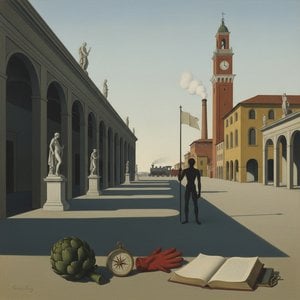
El Escultor del Esplendor Renacentista
Matteo De Pasti se erige como una figura fundamental en el panorama artístico de Verona y del Renacimiento italiano en su sentido más amplio, un maestro cuyas manos moldearon la esencia misma de los ideales humanistas. Nacido en Verona alrededor de 1420, emergió de una tradición impregnada de la excelencia escultórica veronesa, heredando técnicas perfeccionadas por maestros como Giovanni Battista Falcone y Andrea Mantegna. Estas habilidades fundacionales resultarían instrumentales para forjar su estilo distintivo, caracterizado por una capacidad exquisita para unir la escala monumental con un detalle intrincado y delicado. Su vida fue un viaje a través del fermento intelectual del Quattrocento, impulsado por el saber humanista y la innovación artística que fluía desde Florencia bajo la influencia de figuras como Lorenzo de Médici.
El arte de Pasti está profundamente arraigado en la adopción de las proporciones clásicas y las formas idealizadas, reflejando las tendencias estilísticas defendidas por los grandes arquitectos Alberti y Brunelleschi. Esta conexión con el pasado clásico no era meramente estética, sino filosófica, reflejando una profunda fascinación por la estética grecorromana que permeaba la época. Su obra buscaba a menudo capturar el espíritu de su tiempo —el Alto Renacimiento—, transmitiendo un profundo significado simbólico a través del bronce y la piedra. Ya fuera creando un imponente icono religioso o una minúscula medalla conmemorativa, Pasti poseía una habilidad inigualable para capturar tanto el parecido físico como la profundidad espiritual de sus sujetos.
Una Colaboración Visionaria y el Mecenazgo Real
Quizás el testimonio más perdurable del genio de Pasti sea su legendaria colaboración con el visionario arquitecto Leone Battista Alberti. Juntos, emprendieron el ambicioso diseño y construcción del Tempio Malatestiano en Rímini, un proyecto que consolidó su reputación como un formidable dúo de arquitecto y escultor. Esta catedral fue más que un edificio religioso; fue un símbolo meticulosamente elaborado del prestigio real y la ambición humanista, encargado por Sigismund Pandolfo Malatesta. Dentro de esta estructura impresionante, las decoraciones escultóricas de Pasti infundieron vida a la piedra, incluyendo estatuas monumentales de santos y figuras bíblicas que demostraron su maestría en el poder expresivo y la escala.
La amplitud de la influencia de Pasti se evidencia aún más por los ilustres mecenas que buscaron su talento. Su prolífica producción abarcó encargos para figuras influyentes como Lionello d'Este, reflejando un entorno artístico floreciente donde el orgullo cívico y la piedad religiosa se celebraban a través del arte. Su talento para el retrato lo llevó a producir numerosos bustos y medallas para familias nobles de toda Italia, capturando los rasgos de individuos prominentes con un realismo notable. Esta maestría se extendió incluso al ámbito de la orfebrería, donde sus intrincadamente elaboradas medallas de bronce se convirtieron en célebres artefactos del simbolismo renacentista, presentando a menudo alegorías complejas como la Fortaleza sentada sobre elefantes.
Legado y Significado Histórico
La trayectoria histórica de Matteo De Pasti es tan dramática como el arte que produjo. En 1461, su reputación alcanzó fronteras mucho más allá de Italia cuando fue enviado por Sigismundo Malatesta a la corte de Mehmed II en Estambul. Sin embargo, esta gran misión diplomática y artística se vio truncada cuando fue arrestado durante su viaje, un momento que sirve como una conmovedora coda para una vida de inmenso logro creativo. Aunque su carrera estuvo marcada por interrupciones tan turbulentas, su impacto en la tradición escultórica permanece indeleble.
Hoy en día, el legado de Pasti se preserva en algunas de las instituciones más prestigiosas del mundo, permitiendo que los espectadores modernos conecten con la grandeza del Renacimiento. Sus obras sirven como vínculos vitales a un período de logros humanos sin precedentes, encarnando lo siguiente:
- Maestría Técnica: La integración fluida de las tradiciones góticas con soluciones estructurales innovadoras del Renacimiento.
- Expresión Humanista: El uso de formas humanas idealizadas para transmitir complejas narrativas religiosas y cívicas.
- Versatilidad Artística: Una capacidad para transitar sin esfuerzo entre la escultura monumental de catedral y la delicada precisión de la creación de medallas conmemorativas.
- Impacto Cultural: Una presencia duradera en colecciones como el Museo de Arte de Cleveland y el Museo Británico, donde sus piezas continúan inspirando asombro.
Preguntas y respuestas
¿Puedo explorar las obras de Matteo De Pasti por técnica?
La página Todas las técnicas agrupa las obras de Matteo De Pasti por técnica.
¿Dónde puedo ver las obras de Matteo De Pasti en orden cronológico?
Las obras de Matteo De Pasti pueden verse en orden cronológico en la página de Cronología de obras del artista.
¿Puedo explorar las obras de Matteo De Pasti por estado de ánimo?
Puedes explorar las obras de Matteo De Pasti por estado de ánimo en su página Rincón de emociones, donde las piezas se organizan según la emoción que transmiten.