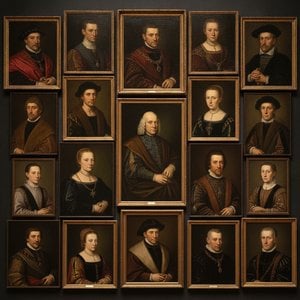
El arquitecto de la identidad real: La vida y el legado de Marcin Kober
En el vasto y grandioso tapiz de la historia de Europa Central, pocos artistas han desempeñado un papel tan vital en el tejido de la identidad visual de los monarcas como Marcin Kober. Nacido alrededor de 1550 en la vibrante ciudad de Breslavia, Polonia, Kober fue mucho más que un simple cronista de rostros; fue un pionero que transformó la manera en que el poder era percibido y registrado. Su viaje no comenzó en las cortes de los reyes, sino a través de la rigurosa disciplina del sistema de gremios. Como joven oficial, recorrió Alemania, absorbiendo las diversas técnicas y matices estilísticos de distintos talleres. Este periodo de errancia fue esencial, pues le dotó de un vocabulario artístico cosmopolita que más tarde le permitiría tender un puente entre las tradiciones locales de la Mancomunidad de Polonia-Lituania y la sofisticada estética de influencia española de las cortes de los Habsburgo.
La verdadera metamorfosis de la carrera de Kober ocurrió cuando su camino se cruzó con los más altos escalafones de la realeza europea. Para 1583, había llegado a la Mancomunidad de Polonia-Lituania, ascendiendo rápidamente al puesto de pintor de cámara del rey Esteban Báthory y de la reina Ana Jagiellón. Fue durante esta era cuando Kober comenzó a desarrollar lo que se conocería como la "Escuela Báthory". Su obra en este periodo se caracterizó por un profundo sentido del realismo renacentista, donde el parecido físico del sujeto se fusionaba con una grandeza simbólica. No se limitaba a pintar piel y tejido; pintaba autoridad, legitimidad y el derecho divino de los reyes. Su capacidad para capturar la imponente presencia de Báthory estableció un lenguaje visual para la realeza polaca que perduraría durante más de un siglo.
Un maestro de la elegancia cortesana y el simbolismo
La evolución artística de Kober estuvo profundamente marcada por su estancia en Praga, una ciudad que servía como crisol de estilos internacionales bajo el reinado del emperador Rodolfo II. En la vibrante atmósfera de la corte imperial, Kober encontró la sutil y decorativa elegimiento del retrato español, que favorecía una atención meticulosa al detalle y un uso refinado del color. Esta influencia es palpable en sus obras tardías, donde las texturas pesadas y regias del terciopelo y el encaje se representan con tal precisión que parecen casi táctiles. Sus retratos se convirtieron en lecciones magistrales de profundidad psicológica; poseía la rara habilidad de presentar a un soberano tanto como un icono intocable del Estado como un ser humano dotado de una fuerza silenciosa y una gracia introspectiva.
La amplitud de su maestría técnica se aprecia quizás mejor en la diversidad de sus formatos. Mientras que sus retratos reales a gran escala dominaban los salones de los palacios, Kober también destacó en el íntimo medio de las miniaturas. Su Miniatura de la reina Ana de Habsburgo sirve como un ejemplo impresionante de cómo podía condensar toda una aura de majestuosidad en un pequeño marco ovalado. En estas obras menores, cada pincelada tiene peso, utilizando la luz y la sombra para crear una sensación de vida tridimensional que trasciende las limitaciones físicas del medio. Su trabajo nunca fue meramente decorativo; fue un instrumento cuidadosamente construido de diplomacia y propaganda, diseñado para proyectar una imagen de estabilidad y continuidad durante eras políticas turbulentas.
Significancia histórica y la tradición del retrato polaco
La importancia histórica de Marcin Kober es incalculable. Antes de su aparición, el retrato en Polonia aún no se había consolidado como una rama dominante o especializada de las bellas artes. Kober cambió esta trayectoria para siempre, actuando como el precursor del género del retrato sarmatiano polaco. Al integrar los sofisticados ideales humanistas del Renacimiento con la identidad cultural específica de la nobleza polaca, proporcionó los cimientos sobre los cuales construirían las futuras generaciones de artistas polacos. Su influencia puede rastrearse a través de las décadas, ya que la iconografía que estableció para la dinastía Vasa se convirtió en el estándar de cómo la Mancomunidad veía a su propio liderazgo.
Incluso cuando su carrera lo llevó más allá de las fronteras —desde los talleres de Alemania hasta el esplendor imperial de Praga y de regreso a los centros reales de Cracovia y Varsovia—, su misión principal permaneció intacta: la documentación de un mundo cambiante a través del lente de la dignidad real. Hoy en día, sus obras residen en prestigiosos museos de toda Europa, sirviendo como testigos silenciosos de la grandeza de una era pasada. Estudiar a Kober es estudiar el nacimiento mismo de una identidad artística nacional, lo que lo convierte en una de las figuras más significativas en la historia de la retratística de Europa Central.
Preguntas y respuestas
¿Cómo puedo encontrar obras de Marcin Kober sobre un tema específico?
Las obras de Marcin Kober pueden explorarse por palabra clave en la página de Por palabras clave del artista. Cada palabra clave agrupa las obras relacionadas.
¿Dónde puedo ver el perfil cromático de la obra de Marcin Kober?
El uso del color de Marcin Kober en las obras listadas en este sitio web puede estudiarse en la página Genoma de la Paleta del artista.
¿De dónde es Marcin Kober?
Marcin Kober nació en Polonia.