Louis Boulanger: Un Visionario Romántico
Louis Boulanger (1806 – 1867) se erige como una figura prominente de la pintura romántica francesa, un artista cuyos lienzos dramáticos capturaron el espíritu de su era y consolidaron su lugar dentro del paisaje artístico del París de mediados de siglo. Nacido en París, los años formativos de Boulanger estuvieron impregnados de una formación clásica; se matriculó en la École des Beaux-Arts, donde perfeccionó sus habilidades bajo la tutela de Guillaume Guillon Lethière, una base que moldearía profundamente su estilo y sensibilidad artística. Este enfoque disciplinado contrastaba marcadamente con el floreciente fervor emocional del Romanticismo; sin embargo, Boulanger combinó hábilmente la tradición con la innovación para producir obras imbuidas tanto de grandeza como de profundidad psicológica.- Primeras influencias y formación: La educación de Boulanger le inculcó una atención meticulosa al detalle y un profundo entendimiento de la precisión anatómica, rasgos evidentes en toda su obra. Admiraba particularmente las obras de Ingres, cuyo idealismo clásico sirvió como principio rector para los esfuerzos artísticos de Boulanger.
- <El Premio de Roma y Eugène Devéria: Al reconocer su talento, Boulanger obtuvo la prestigiosa beca del Prix de Rome en 1824, lo que le permitió viajar extensamente por Italia e sumergirse en el patrimonio artístico de la antigüedad. Su colaboración con Eugène Devéria fomentó el intercambio intelectual y amplió sus horizontes artísticos, influyendo en sus elecciones estilísticas.
Un Círculo Romántico Parisino y la Narrativa Dramática
La carrera artística de Boulanger floreció dentro del vibrante círculo romántico parisino, un medio caracterizado por apasionados debates sobre arte y literatura, impulsados por las agitación política y la reforma social. Entabló amistad con Victor Hugo y numerosos otros escritores y artistas que defendían la emoción expresiva y la narrativa imaginativa. Este entorno impactó innegablemente la visión artística de Bouliente, alentándolo a priorizar la narrativa dramática y la composición teatral. Sus pinturas representaban frecuentemente eventos históricos con una intensidad visceral, transmitiendo el tumulto emocional de la época, un sello distintivo de la estética romántica.- Éxitos en el Salón y Reconocimiento: Boulanger alcanzó un considerable reconocimiento en las exposiciones del Salón de 1827 y 1831, asegurando notablemente una medalla por “La naissance d’Henri IV” junto al lienzo monumental de Devéria. Estos éxitos lo impulsaron hacia la prominencia dentro de la comunidad artística y consolidaron su reputación como un maestro de la narrativa visual.
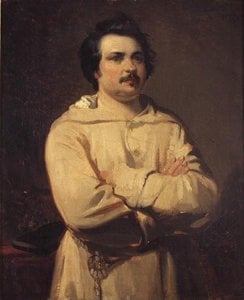
- Pinturas Notables: Entre las obras más celebradas de Boulanger se encuentran "Mazeppa", una conmovedora representación del poema épico de Mickiewicz que muestra su capacidad para transmitir heroísmo y patetismo; “La mort de Sardanapale”, un esfuerzo colaborativo con Delacroix que captura el horror y la grandeza de la guerra napoleónica; y el “Portrait d’Honoré de Balzac”, un retrato icónico de Balzac realizado con un detalle exquisito, testimonio de la destreza técnica y la sensibilidad artística de Boulanger.
Ilustración y Estilo Artístico: Visiones Fantásticas
Más allá de sus pinturas al óleo, Boulanger se distinguió como un prolífico ilustrador, colaborando notablemente con Victor Hugo y Alexandre Dumas en adaptaciones literarias. Sus litografías —particularmente “La ronde du sabbat”— adoptaron un enfoque estilístico distintivo caracterizado por imágenes fantásticas y una atmósfera inquietante, una tendencia que reflejaba las ansiedades del período romántico. La técnica meticulosa de Boulanger, caracterizada por pinceladas suaves y sutiles gradaciones tonales, creó lienzos impregnados de luminosidad y resonancia emocional. Empleó hábilmente el claroscuro para intensificar el impacto dramático, enfatizando los contrastes entre luz y sombra para transmitir una compleja psicología.Legado y Significado Histórico
La contribución de Louis Boulanger a la pintura romántica francesa sigue siendo significativa por su retrato inquebrantable de la emoción humana y su ejecución magistral. Sus lienzos continúan inspirando admiración por su grandeza, dinamismo y profundidad psicológica, cualidades que resuenan poderosamente en el público actual. Además, la asociación de Boulanger con gigantes literarios como Hugo consolidó su lugar dentro de la historia cultural de la Francia del siglo XIX, asegurando que su legado artístico perdurara como un símbolo del idealismo romántico y la narrativa dramática. Su obra reside prominentemente en instituciones como el Saint Louis Art Museum y la Maison Victor Hugo, garantizando su accesibilidad para las futuras generaciones ansiosas por apreciar la belleza y el poder perdurables del arte romántico.Preguntas y respuestas
¿Dónde se encuentran las obras de Louis Boulanger organizadas por color?
El Índice Espectral de Louis Boulanger es una página que organiza las obras del artista por sus colores.
¿Dónde se encuentran las obras de Louis Boulanger agrupadas por técnica?
La página Todos los medios agrupa las obras de Louis Boulanger por técnica.
¿Dónde puedo ver las obras de Louis Boulanger en una galería 3D?
Las obras de Louis Boulanger pueden verse en una galería 3D en la página Museo 3D del artista.