Leopold Forstner: Pioneer of Viennese Mosaic Art
Leopold Forstner (November 2, 1878 – Stockerau, Austria) stands as a pivotal figure in the Viennese Secession and Jugendstil movements, leaving an indelible mark on Austrian art history. Born in Bad Leonfelden, Austria, he pursued his artistic education at the University of Applied Arts Vienna and the Academy of Fine Arts Munich, absorbing influences from masters like Karl Karger and Ludwig von Herterich – artists who championed a bold departure from academic tradition. This formative experience would shape Forstner’s distinctive approach to artmaking, particularly his unwavering dedication to the medium of mosaic.
- Early Life & Education: Forstner's upbringing instilled in him a profound appreciation for craftsmanship and artistic innovation. His studies honed his technical skills while exposing him to the intellectual currents shaping European art at the turn of the century.
- The Jugendstil Influence: The Jugendstil movement, characterized by organic forms and decorative motifs inspired by nature, profoundly impacted Forstner’s aesthetic sensibilities. This stylistic preference is evident in numerous projects where he skillfully blended naturalistic elements with geometric precision.
- Viennese Secession & Artistic Vision: Joining the Viennese Secession alongside Gustav Klimt, Otto Wagner, Josef Hoffmann, and Emil Hoppe represented a radical challenge to prevailing artistic conventions. Forstner embraced this movement’s ethos of experimentation and self-expression, advocating for a new visual language that prioritized emotional resonance and symbolic depth.
Mosaic Artistry: A Unique Contribution
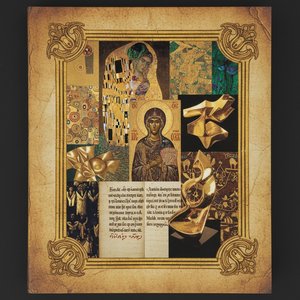
Forstner's singular focus on mosaic art distinguished him from his contemporaries. He recognized the medium’s potential to convey complex narratives and evoke powerful emotions through its interplay of color, texture, and light – qualities he expertly exploited in his monumental works. His mastery extended beyond mere technical proficiency; he possessed an intuitive understanding of how mosaics could transform architectural spaces into immersive experiences.
- Notable Projects: Forstner’s most celebrated achievements include the Wreath-Bearer Mosaic for Stoclet Palace, commissioned by Baron Philippe Stoclet, and the expansive frieze adorning the Hotel Bristol in Vienna. These projects exemplify his artistic vision and cemented his reputation as a leading innovator of Venetian and mixed media mosaics.
- Technique & Innovation: Forstner’s meticulous craftsmanship involved painstaking preparation of tesserae – small pieces of colored glass or stone – followed by precise arrangement to achieve breathtaking visual effects. He pushed the boundaries of mosaic technique, experimenting with new materials and techniques that anticipated developments in later artistic movements.
- Collaboration & Artistic Dialogue: Forstner actively engaged in collaborative projects with fellow Secession artists, fostering a dynamic exchange of ideas and influencing their creative output. His partnership with Gustav Klimt particularly enriched Viennese art history, resulting in iconic artworks that continue to inspire admiration worldwide.
Legacy & Historical Significance
Leopold Forstner’s contribution to Viennese Secession and Jugendstil transcends mere stylistic innovation; he championed a humanist aesthetic rooted in profound respect for craftsmanship and artistic integrity. His mosaics stand as enduring symbols of Austrian cultural heritage, embodying the movement's commitment to beauty, experimentation, and intellectual engagement. Today, his work continues to captivate audiences with its evocative imagery and masterful execution—a testament to Forstner’s unwavering dedication to elevating artmaking to new heights.