Lee Sang-beom: Bridging Tradition and Modern Vision
Lee Sang-beom (1897 – 1972) stands as a pivotal figure in Korean modern art, embodying the harmonious fusion of classical ink wash painting traditions with burgeoning contemporary sensibilities. Born in Seoul during a period of significant social upheaval—the early 20th century saw Korea grappling with colonial rule and striving for national identity—Sang-beom’s artistic journey mirrored this turbulent landscape, ultimately yielding a distinctive oeuvre characterized by serene landscapes imbued with subtle emotional depth.
Early Life & Artistic Training:
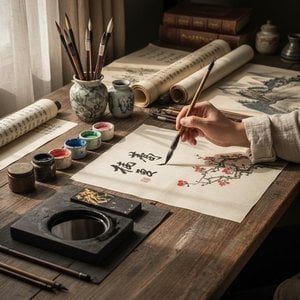
Sang-beom's formative years were shaped by Confucian philosophy—a cornerstone of Korean culture—which instilled in him a profound appreciation for balance, harmony, and contemplation. This philosophical bedrock informed his artistic sensibilities, prioritizing introspection and conveying universal human experiences through visual representation. Simultaneously, he absorbed the stylistic innovations emerging from Japanese Impressionism, particularly the works of Hiroshi Yoshida, whose depictions of mountainous vistas captivated him with their evocative use of color and light. These influences profoundly shaped his artistic approach, informing his meticulous technique and thematic concerns. He began his artistic education at Seoul National School of Fine Arts, where he honed his skills in *sumukhwa*, mastering the foundational techniques of ink wash painting—a tradition stretching back centuries—before embarking on a solo journey to explore new creative horizons.
The Landscape Tradition Revisited:
Sang-beom’s unwavering dedication to *sumukhwa* resulted in landscapes that transcend mere scenic depiction. Rather than simply capturing visual impressions, he sought to distill the essence of nature—its grandeur, its tranquility, and its connection to human existence—into powerful expressions of emotion. Recurring motifs like pine trees, mountains, and flowing water held deep symbolic significance within Korean folklore and spirituality, representing longevity, strength, and purity respectively. He meticulously adhered to established conventions while subtly injecting expressive gestures that transcended mere replication, demonstrating a masterful understanding of artistic tradition. His landscapes are not merely representations of scenery; they are meditations on the human condition, conveying feelings of solitude, resilience, and connection to nature.
Exploring Abstract Expressionism: The Prison Paintings
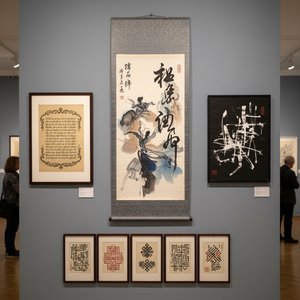
A particularly poignant chapter in Sang-beom’s artistic life unfolded during his imprisonment for political activism following the Korean War. Faced with confinement and hardship—a stark contrast to the contemplative serenity of his landscapes—he embarked on a series of ambitious canvases titled “Prison Paintings.” These works represented a daring departure from his earlier aesthetic, embracing abstract expressionist techniques—bold brushstrokes, vibrant colors, and gestural marks—reflecting his inner turmoil yet retaining an underlying sense of serenity. They stand as testament to the artist’s unwavering commitment to artistic integrity amidst adversity. The Prison Paintings are considered to be Sangbeom's most innovative work, demonstrating a willingness to experiment with new mediums and styles while maintaining a core aesthetic rooted in Korean tradition.
Legacy & Recognition: A Korean Master’s Enduring Influence
Lee Sang-beom secured a place among Korea’s most celebrated painters, earning recognition both domestically and internationally for his stylistic innovation and profound philosophical depth. His landscapes continue to inspire viewers today, reminding us of the enduring power of tradition reimagined through the lens of modern artistic vision. Museums like Lee Ungno Museum showcase his remarkable collection, allowing visitors to experience firsthand the beauty and complexity of his artistic legacy. He was honored with numerous awards and accolades throughout his career, cementing his status as a national icon—a symbol of Korean artistic excellence and intellectual integrity. Sangbeom’s influence extends beyond his own paintings; he mentored younger artists and championed the importance of artistic exploration—leaving an indelible mark on the trajectory of Korean art history.