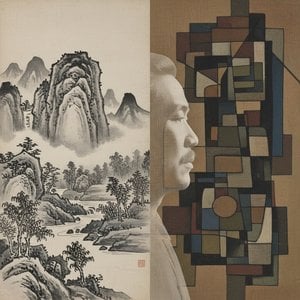
A Life Intertwined with Korean Narrative
Lee Chang-dong, born in 1954 in Daegu, South Korea, is a figure whose artistic journey embodies the evolving spirit of his nation. His path wasn’t one directly charted for cinema; rather, it was forged through literature and theater, experiences that deeply inform the profound humanism at the core of his films. Growing up amidst a politically charged atmosphere and within a family grappling with economic hardship instilled in him an early sensitivity to social injustices and the complexities of individual struggle – themes that would become hallmarks of his work. He pursued Korean Literature at Kyungpook National University, graduating in 1981, but it was during these formative years, actively writing and directing plays, that he discovered a powerful medium for exploring the human condition. This theatrical foundation is evident in the carefully constructed narratives and nuanced performances that characterize his cinematic vision. Initially establishing himself as a novelist and high school teacher, Lee gained recognition with works like *Jeolli* (Spoils of War) and *Nokcheoneneun ttongi manta* (There's a Lot of Shit in Nokcheon), stories that unflinchingly examined the societal shifts and personal anxieties of a rapidly changing Korea.Literary Roots and Early Artistic Exploration
Lee’s initial engagement with storytelling began long before he turned to filmmaking, shaping his artistic sensibilities profoundly. His formative years were marked by an immersion in Korean literature—particularly the works of writers grappling with themes of social critique and psychological introspection—which instilled in him a deep understanding of human emotion and narrative complexity. This literary grounding would later translate into his directorial style, prioritizing character development and exploring profound questions about identity and morality. Furthermore, his experience as a theater director honed his skills in crafting compelling performances and constructing narratives that resonate with audiences on an emotional level. He actively participated in theatrical productions, experimenting with diverse genres and styles—from experimental dramas to socially conscious plays—demonstrating a willingness to push boundaries and challenge conventional storytelling techniques.From Screenwriter to Director: Collaborations and Breakthroughs
Lee’s cinematic career began as a screenwriter and assistant director on *To the Starry Island* (*Geu seome gago shibda*) in 1993, marking his first foray into filmmaking under the mentorship of Park Kwang-su. This collaboration proved instrumental in exposing him to the practical realities of cinema production while simultaneously refining his storytelling abilities within a collaborative environment. Recognizing his talent for crafting narratives and capturing human emotion, Park entrusted Lee with significant creative responsibilities—a testament to Lee’s burgeoning reputation as a storyteller. His directorial debut, *Green Fish* (*Chorok Mulgogi*) in 1997 solidified his position as an emerging filmmaker, presenting a sharp critique of Korean society through the lens of a young man navigating the criminal underworld. The film's stylistic choices—particularly its use of visual storytelling and evocative cinematography—established Lee’s distinctive cinematic voice and foreshadowed his later explorations of complex themes.International Recognition and Artistic Evolution
Lee Chang-dong achieved international acclaim with *Oasis* (*Oasiseu*) in 2002, earning him the Silver Lion for Best Director at the Venice Film Festival—a pivotal moment that propelled Korean cinema onto the global stage. This success underscored his ability to connect with audiences across cultures and solidified his reputation as a visionary filmmaker committed to exploring profound human experiences. Subsequent films—including *Secret Sunshine* (*Shi*) in 2007, *Poetry* (*Shi*) in 2010, and notably *Burning* (*Byeongnyeon*) in 2018—continued to demonstrate Lee’s artistic evolution, delving into themes of trauma, faith, memory, and societal alienation with remarkable sensitivity and stylistic innovation. His films consistently prioritize character development and psychological depth, reflecting his belief that cinema possesses the power to illuminate the complexities of human existence. The film *Burning* garnered critical acclaim for its masterful storytelling and visual artistry—winning awards at Cannes and Toronto Film Festivals—further cementing Lee Chang-dong’s legacy as one of Korea's most influential filmmakers.A Legacy Defined by Humanism and Artistic Integrity
Lee Chang-dong’s enduring contribution to Korean cinema lies in his unwavering commitment to humanist values and artistic integrity. He consistently strives to portray characters grappling with moral dilemmas and exploring profound questions about identity—a hallmark of his directorial style that distinguishes him from many contemporary filmmakers. His films resonate deeply with audiences worldwide, prompting reflection on universal human experiences and challenging conventional narratives. Recognized as a leader in Korean cinema, Lee Chang-dong continues to inspire filmmakers and critics alike—solidifying his place among the most celebrated artists of his generation.Preguntas y respuestas
¿Dónde se encuentran las obras de Lee Chang-Dong agrupadas por técnica?
Puedes explorar las obras de Lee Chang-Dong por técnica en su página de Todas las técnicas.
¿Dónde puedo ver todas las obras de Lee Chang-Dong?
Puede explorar todas las obras de Lee Chang-Dong en este sitio web desde la página de Todas las obras de arte del artista.
¿Puedo explorar las obras de Lee Chang-Dong por estado de ánimo?
La página de Rincón de emociones del artista muestra las obras de Lee Chang-Dong organizadas según su atmósfera.