El alquimista del concepto: El viaje artístico de Ladislav Čarný
En el panorama del arte contemporáneo de Europa Central, pocas figuras imponen tanto respeto intelectual y gravedad creativa como Ladislav Čarný. Nacido en Žilina, Eslovaquia, el 24 de diciembre de 1949, Čarný emergió de un periodo de profundas tensiones políticas y sociales para convertirse en un pionero de la estética conceptual y procesual. Su trayectoria no es meramente una evolución personal, sino un reflejo de las mareas cambiantes de la historia del arte eslovaco: un alejamiento de la representación tradicional hacia una exploración de la esencia misma de la percepción, la materialidad y el tiempo.
Los cimientos formales de Čarný se forjaron en la prestigiosa Academia de Bellas Artes y Diseño de Bratislava, donde estudió pintura bajo la tutela del profesor P. Matejka entre 1968 y 1974. Este periodo de rigurosa formación académica le dotó de la maestría técnica necesaria para, más tarde, deconstruir la idea misma de la obra "terminada". Durante la restrictiva era del régimen comunista, Čarnía navegó las complejidades de la escena artística no oficial, contribuyendo a álbumes samizdat y participando en actividades clandestinas que eludían la censura estatal. Este periodo de resistencia forjó a un artista que concebía el acto de la creación como un profundo gesto de autonomía intelectual.
La materialidad y el proceso del devenir
Encontrarse con la obra de Ladislav Čarný es adentrarse en un espacio donde el límite entre el objeto y su creación comienza a disolverse. Al rechazar la precisión estéril y distante asociada a menudo con el arte minimalista, Čarný abrazó el neoexpresionismo y el cuboexpresionismo como influencias fundamentales. Estos movimientos le infundieron una profunda reverencia por la materialidad bruta y la intensidad emocional. Su práctica se caracteriza por un interés en el arte "procesual", donde el método de ejecución posee tanta relevancia como el resultado final.
Su obra abarca una gama asombrosa de medios, desde delicados dibujos e instalaciones de video hasta masivas e inmersivas instalaciones lumínicas. Con frecuencia utiliza materiales poco convencionales para provocar la contemplación sobre la relación entre lo artificial y lo natural. Esta fascinación se observa en su capacidad para manipular la luz y la sombra, de forma muy similar a un alquimista que trabaja con elementos volátiles. En ciertas instalaciones, como aquellas situadas en los históricos graneros de Eslovaquia, ha empleado haces de luz estrechos y fluidos fluorescentes para sugerir sistemas de destilación propios de un laboratorio, transformando el espacio de la galería en un escenario de indagación científica y espiritual.
Los elementos clave de su lenguaje artístico incluyen:
- Rigor conceptual: Un enfoque en la idea subyacente o "concepto" como motor principal de la obra.
- Conciencia temporal: El uso de medios basados en el tiempo para explorar la duración y el cambio.
- Profundidad táctil: Un énfasis en las propiedades físicas de los objetos, las texturas y la luz.
- Diálogo cultural: La integración de elementos de la ornamentación folclórica y la arquitectura histórica en marcos contemporáneos.
Legado e influencia académica
Más allá de sus creaciones individuales, el impacto de Čarný se siente a través de su profunda dedicación a la teoría del arte y la pedagogía. Desde 1992, ha ejercido como profesor en el Departamento de Teoría e Historia del Arte de la Academia de Bellas Artes y Diseño de Bratislava. Su labor como educador le ha permitido moldear las mentes de las generaciones posteriores, inculcando en ellas el mismo rigor analítico y valentía experimental que definió su propia carrera. Como miembro del grupo Avance-Retard, ayudó a fomentar una comunidad de artistas centrada en las tendencias analíticas y transformadoras.
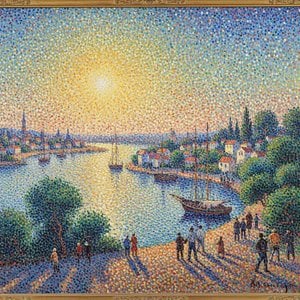
Su importancia histórica está consolidada por su capacidad para tender un puente entre los movimientos artísticos clandestinos de finales del siglo XX y la escena del arte contemporáneo globalizado de hoy. Ya sea a través de sus evocadoras pinturas al óleo como "From Spišská Sobota" o sus complejas instalaciones interactivas, Čarný continúa desafiando al espectador a mirar más allá de la superficie. Sigue siendo una voz vital en la cultura eslovaca, recordándonos que el arte no es simplemente una ventana a otro mundo, sino una profunda investigación sobre la mecánica misma de nuestra propia realidad.
Preguntas y respuestas
¿Dónde se encuentran las obras de Ladislav Čarný organizadas por color?
La página Índice Espectral organiza las obras de Ladislav Čarný por color.
¿Dónde se encuentran las obras de Ladislav Čarný agrupadas por paleta?
Las obras de Ladislav Čarný pueden explorarse por paleta de colores en la página de Por paletas de colores del artista.
¿Cuántas obras de Ladislav Čarný hay disponibles para explorar?
Puede explorar 1 obra de arte obras de Ladislav Čarný en la página Todas las obras.