Koldobika Jauregi Zinkunegi: A Minimalist Vision Rooted in Basque Tradition
Koldobika Jauregi Zinkunegi, a prominent Basque sculptor born on October 11, 1959, in Alkiza, Spain, stands as a testament to the enduring power of simplicity and profound connection with natural materials. His artistic journey began with an innate fascination for wood and stone—elements that would become central to his distinctive sculptural style and define his legacy as one of Spain’s most influential contemporary artists. Early Life and Artistic Awakening
Jauregi's formative years were marked by a deep immersion in the Basque landscape and culture, fostering a sensitivity to form and texture that would later translate into his groundbreaking sculptures. Recognizing his talent early on, he pursued formal training alongside independent exploration, honing his skills through experimentation with various mediums before gravitating towards the expressive potential of wood and stone. The Zabalaga Grant: A Catalyst for Artistic Growth
A pivotal moment in Jauregi’s career arrived in 1990 when he received the prestigious Zabalaga grant from Eduardo Chillida—a recognition that profoundly impacted his artistic trajectory. This generous endowment provided him with invaluable resources to dedicate himself entirely to his craft, allowing him to delve deeper into his creative process and refine his vision. Chillida’s Influence: Shaping a Singular Aesthetic
Eduardo Chillida's influence on Jauregi is undeniable; the celebrated Basque sculptor admired Chillida’s unwavering commitment to minimalist aesthetics and his masterful manipulation of materials—particularly stone—as expressions of artistic contemplation. Chillida’s pioneering approach served as an inspiration for Jauregi, encouraging him to prioritize essential forms and textures while conveying profound emotional resonance through restrained execution. Artistic Style: Embracing Minimalism and Natural Forms
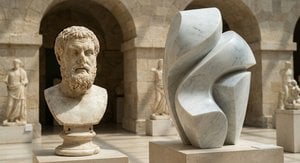
Jauregi's sculptures are characterized by a striking simplicity that belies their underlying complexity. He eschews ornamentation and superfluous detail, focusing instead on clean lines, geometric shapes, and the inherent beauty of raw materials—primarily wood and stone—to create works that evoke contemplation and convey a sense of timelessness. Monumental Reflections: The “Memory of Francoism” Sculpture
Among Jauregi’s most impactful creations is "The Memory of Francoism," commissioned to honor victims of sexual orientation discrimination in Durango, Basque Country. This monumental sculpture embodies Jauregi's ability to transform natural materials into powerful symbols of resilience and remembrance—a testament to his artistic conviction that art can serve as a vehicle for social commentary and ethical reflection. Notable Achievements and Recognition
Throughout his prolific career, Jauregi garnered international acclaim for his sculptural achievements, securing commissions from prestigious institutions such as the Guggenheim Museum Bilbao and the Museo de Bellas Artes de Bilbao. His work has been exhibited extensively across Europe and North America, cementing his position as a leading figure in contemporary Basque art and establishing him as an artist whose vision continues to inspire audiences worldwide. Legacy: A Singular Voice Amidst Minimalism
Koldobika Jauregi’s artistic legacy resides in his unwavering dedication to minimalist principles—a stylistic choice that distinguishes him from many of his contemporaries while simultaneously elevating the expressive potential of natural materials. His sculptures stand as enduring reminders of the beauty inherent in simplicity and the transformative capacity of art to engage viewers on an emotional level—a testament to Jauregi’s profound contribution to Basque artistic heritage and a beacon for artists seeking to explore the depths of contemplation through restrained form and texture.