Una vida forjada en color y tradición
La vida de Kazimierz Ostrowski fue un viaje profundo por el corazón del arte europeo del siglo XX, comenzando en Berlín en 1917 y encontrando su resonancia definitiva en Gdynia. Sus primeros años estuvieron marcados por el movimiento y la adaptación; tras el traslado de su familia a Poznań en 1920, el camino del joven artista lo condujo finalmente a la vitalidad costera de Gdynia. Antes de convertirse en un maestro del pincel, Ostrowski demostró una aguda mirada para el detalle a través de labores más prácticas, trabajando junto a su hermano Zygmunt en la pintura de nombres e insignias de grandes barcos como el SS Kościuszko y el MS Batory. Esta temprana exposición a la gran escala de la identidad marítima probablemente le inculcó un profundo respeto por la forma y la precisión que más tarde definirían su maestría académica.
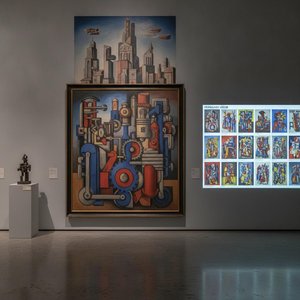
Tras la agitación de la Segunda Guerra Mundial, la dedicación de Ostrowski a las bellas artes cobró protagonismo. En 1945, inició sus rigurosos estudios en la Academia de Bellas Artes de Sopot, un periodo de intenso crecimiento intelectual y creativo. Su talento era tan inconfundible que le valió una prestigiosa beca del gobierno francés en 1949, transportándolo a la vibrante escena artística de París. Fue allí, bajo la tutela del legendario Fernand Léger, donde los horizontes de Ostrowski se expandieron más allá de las fronteras tradicionales. Inmerso en la atmósfera vanguardista de Francia, absorbió las complejidades estructurales del cubismo y las profundidades oníricas del surrealismo, elementos que más tarde infundirían sus paisajes y bodegones polacos con una sensibilidad sofisticada y moderna.
La maestría de la forma y el espíritu
Al regresar a Polonia, Ostrowski no se limitó a practicar arte; se convirtió en un pilar de su base académica. Como profesor de la Academia de Bellas Artes de Gdańsk desde 1964 hasta 1987, nutrió a generaciones de artistas, transmitiendo un legado de excelencia técnica y valentía experimental. Su filosofía de enseñanza alentaba a los estudiantes a cerrar la brecha entre la formación clásica y la innovación contemporánea, muy similar a su propia evolución desde las tradiciones académicas de Sopot hacia el modernismo de París.
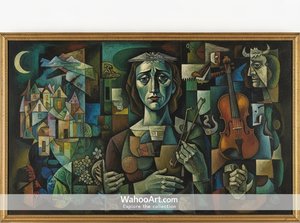
Su obra es un tapiz impresionante de temas diversos, que van desde la tranquila intimidad de los bodegones hasta las amplias narrativas de los paisajes. Se puede apreciar su destreza técnica en piezas como “Acordeón, teclado melódico de dos filas con doce bajos”, pintado en 1987. En esta obra, hace más que representar un instrumento; captura un fragmento del alma polaca. A través de una rica paleta de dorados, marrones profundos y negros, y la delicada aplicación de motivos florales, eleva un icono popular a la categoría de alta expresión artística, celebrando el latido cultural de la sociedad mazovia. Del mismo modo, su “Composiciones con Máscaras” revela un lado más abstracto de su genio, utilizando azules intensos y formas humanas y animales semiabstractas para explorar los límites de la forma y el movimiento.
Un legado de excelencia
La importancia de Kazimierz Ostrowski se extiende mucho más allá del lienzo, como lo demuestran los numerosos reconocimientos que marcaron su ilustre carrera. Sus contribuciones fueron reconocidas mediante una multitud de prestigiosos honores, entre ellos:
- Primer premio de pintura en la Primera Exposición de joven pintura, escultura y artes gráficas polacas (1957).
- El Premio Artístico de la Ciudad de Gdynia, reconociendo su profundo impacto en su comunidad local.
- La Cruz de Oro al Mérito y diversas medallas conmemorativas por su dedicación de toda una vida al paisaje cultural de Gdynia.
- Primer premio de los Ministerios de Cultura y Artes (1982), consolidando su estatus como tesoro nacional.
Hoy en día, la influencia de Ostrowski continúa resonando en el mundo del arte, no solo a través de sus prolíficas exposiciones —que superan las sesenta en Polonia y el extranjero—, sino también a través del Premio Kazimierz Ostrowski. Establecido en 2002, este premio honra la excelencia en el diseño y el arte polacos, asegurando que el espíritu de innovación y dedicación que él encarnó siga siendo una luz guía para los creadores contemporáneos. Sigue siendo una figura fundamental de la pintura europea de mediados de siglo, un maestro capaz de capturar tanto la gran escala de la historia como el delicado susurro de una melodía folclórica.
Preguntas y respuestas
¿Existe un resumen de todos los temas que pintó Kazimierz Ostrowski?
El Índice temático de Kazimierz Ostrowski es una página que organiza las obras del artista según sus temas.
¿Existe una cronología de la trayectoria de Kazimierz Ostrowski?
La Trayectoria de Kazimierz Ostrowski es una línea de tiempo con desplazamiento vertical que presenta las obras del artista en orden cronológico, agrupadas en capítulos por periodos de su carrera.
¿Qué tan populares son las obras de Kazimierz Ostrowski?
La página de Estadísticas de Kazimierz Ostrowski presenta estadísticas calculadas a partir de las obras del artista listadas en este sitio web.