Un Maestro del Romanticismo Realista: La Vida y el Legado de José Benlliure y Gil
En el gran tapiz de la historia del arte español, pocos hilos brillan con tanta brillantez dramática como los tejidos por José Benlliure y Gil. Nacido en los paisajes bañados por el sol de Valencia en 1858, Benlliure emergió como una figura fundamental que tendió un puente entre la emotividad expansiva del Romanticismo y el detalle meticuloso e inquebrantable del Realismo. Su vida fue un viaje de profunda evolución artística, desplazándose desde el rigor académico de Madrid hasta la vibrante y clásica atmósfera de Roma, donde finalmente consolidaría su reputación como un maestro de la narrativa histórica y el relato atmosférico.
Los cimientos del genio de Benlliure se establecieron bajo la mirada atenta de Francisco Domingo Marqués, una mentoría que le proporcionó la disciplina técnica necesaria para las obras monumentales de gran escala. Su temprana búsqueda de la excelencia lo llevó a la Escuela Superior de Pintura en Madrid, una experiencia que expandió sus horizontes más allá de sus raíces valencianas y lo introdujo en las corrientes más amplias del arte europeo. Este periodo de formación no consistió meramente en aprender el manejo del pincel; se trató de absorber el alma de la tradición española, una pasión que compartió profundamente con su hermano, el renombrado escultor Mariano Benlliure. Juntos, los hermanos representaron una fuerza formidable en las bellas artes españolas, fusionando la belleza plástica de la escultura con la profundidad narrativa de la pintura.
Los Años Romanos y el Cénit de su Logro
El verdadero florecimiento del espíritu creativo de Benlliure ocurrió durante su transformadora estancia en Roma entre 1903 y 1913. Inmerso en la ciudad eterna, se convirtió en una figura central de la colonia artística española, encontrando inspiración en las capas de historia que impregnaban cada calle y monumento romano. Fue durante esta era cuando su obra alcanzó sus alturas más asombrosas, caracterizadas por un dominio de la luz y la sombra capaz de insuflar vida al pasado antiguo. Su capacidad para decorar edificios públicos con composiciones grandiosas y envolventes le valió importantes encargos y el respeto del gobierno español.
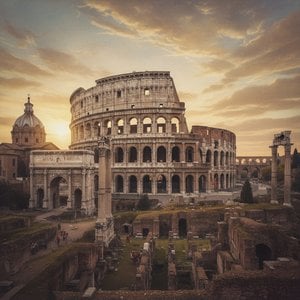
En ningún lugar es su maestría más evidente que en su obra maestra, “La Visión en el Coliseo”. Completada en 1908, esta pintura sirve como una ventana impresionante a la antigüedad. A través de un uso magistral de la técnica, Benlliure captura la tensión visceral del combate gladiatorio, dotando a la escena de una profundidad psicológica que trasciende la mera recreación histórica. La obra es una sinfonía de movimiento y emoción, donde la aspereza de la arena se encuentra con la grandeza sublime del espíritu romano. Este logro le otorgó prestigiosos galardones, incluyendo un primer premio en la Exposición Nacional, señalando su ascenso al reconocimiento internacional.
Una Huella Imborrable en el Canon Español
Más allá de los lienzos monumentales que definen su legado, la obra de Benlliure es celebrada por su versatilidad. Poseía la rara habilidad de pivotar desde la escala épica del drama histórico hacia la intimidad silenciosa y evocadora de las pinturas de género y los paisajes italianos. Su pincel podía capturar la textura rugosa de la armadura de un soldado o la luz suave y fugaz de una tarde mediterránea con igual elegancia. Esta dualidad le permitió resonar tanto con la élite académica como con aquellos conmovidos por la belleza sencilla de la vida cotidiana.
La importancia histórica de José Benlliure y Gil reside en su papel como custodio de la pintura narrativa durante un periodo de rápida transición artística. Mientras el mundo comenzaba a desplazarse hacia expresiones más abstractas, Benlliure permaneció dedicado al poder de la imagen para contar historias, evocar empatía y honrar el peso de la historia. Su obra sigue siendo un testimonio de la fuerza perdurable del Romanticismo Realista, ofreciendo a los espectadores modernos una conexión profunda con los triunfos, las tragedias y la belleza atemporal de la experiencia humana.